WMATA targets RFK redevelopment with upgrades, not a new Metro station
WMATA proposes transit upgrades for the RFK redevelopment, prioritizing Stadium-Armory improvements and a rapid bus link over a new Metro stop.
Sophie McAlister ·
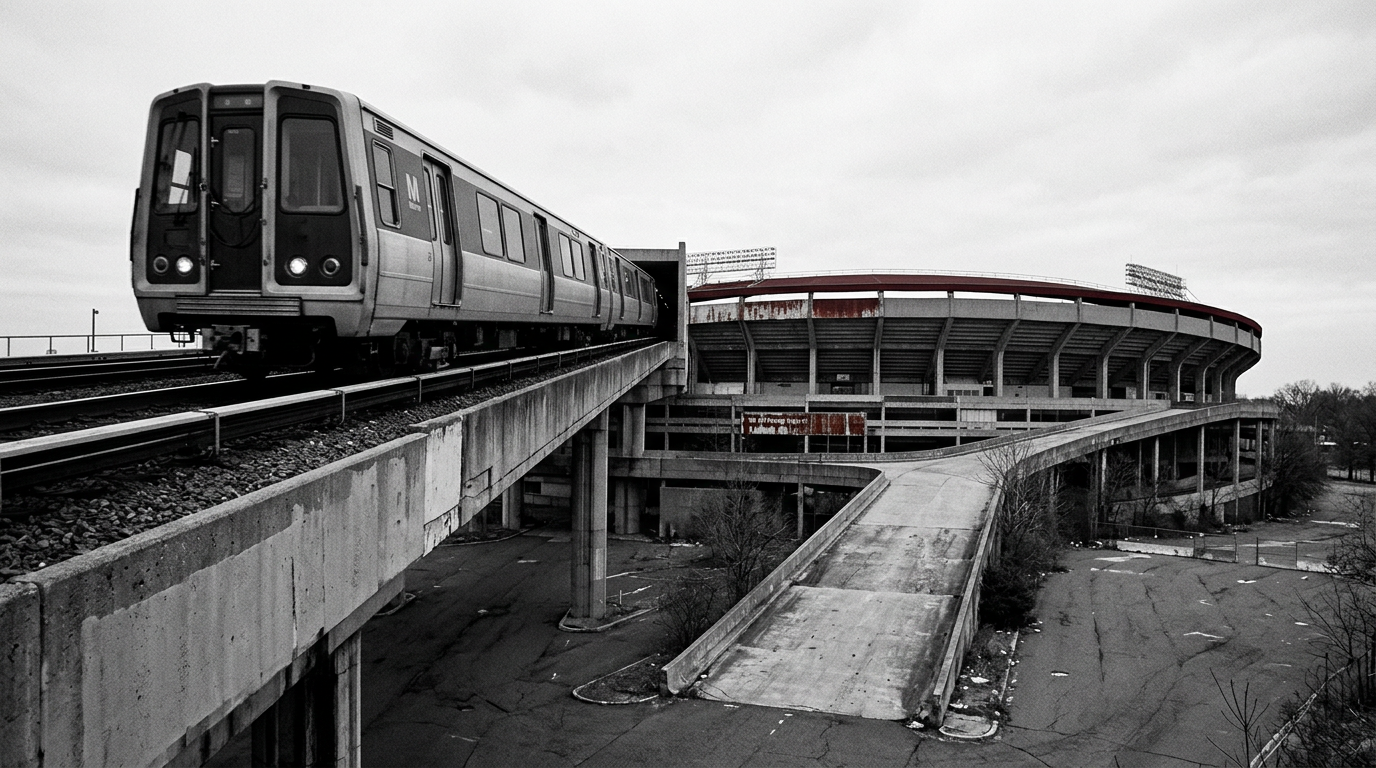
WMATA has unveiled a transit proposal that would steer significant capital toward upgrades serving the RFK Stadium redevelopment site in Northeast Washington, D.C., while stopping short of building a new Metro station. The plan centers on major work at the Stadium‑Armory station and a new rapid bus connection to Union Station, with total spending described in the proposal as reaching into the hundreds of millions of dollars.
The proposal frames those investments as a way to handle increased ridership and better link the RFK site to the broader regional network. Rather than adding a new rail stop on the existing system, WMATA’s team prioritized expanding capacity and access at an existing transfer point — Stadium‑Armory — and creating faster surface transit to a major hub at Union Station.
Why WMATA is avoiding a new station
WMATA’s plan argues that upgrading current infrastructure can deliver faster results and lower long‑term costs than constructing a brand‑new Metro station. Building a new stop typically requires extensive engineering, service disruptions, and higher capital outlays; the proposal instead aims to use targeted station improvements and rapid bus service to absorb demand created by development at the RFK site.
What upgrades are included
The agency highlighted Stadium‑Armory as the focal point for rail improvements, describing investments intended to increase the station’s ability to handle event and commuter flows. The package also includes a proposed rapid bus line to Union Station to create a direct, higher‑capacity surface connection to the city’s main intermodal hub. WMATA framed the combination of station work and quick surface links as a way to spread capacity across modes without adding new rail infrastructure.
Local planners and transit advocates have long debated how best to serve the RFK site as it moves from stadium use toward mixed redevelopment. The WMATA proposal places emphasis on leveraging existing assets — stations and bus corridors — to meet near‑term needs while preserving options for longer‑term rail expansions if demand or funding shifts.
How riders and neighborhoods factor in
For commuters and residents in Northeast neighborhoods near RFK, the proposal signals earlier station improvements and a direct surface connection to Union Station rather than a wait for new rail construction. The approach aims to reduce transfer times and improve station circulation at Stadium‑Armory, which is likely to see more event traffic and daily riders as the site develops.
City and regional officials will still need to weigh funding sources, timelines, and coordination with developers and federal land managers. The proposal lays out WMATA’s preferred set of investments but does not itself allocate the capital required to move projects into construction.
Watch for upcoming WMATA board briefings and city planning sessions that will translate the proposal into specific funding requests and schedules.