NFL teams pivot to 13 personnel as Rams’ three‑TE shift shapes 2026 draft
NFL teams are increasingly adopting three-tight end offensive formations following the Los Angeles Rams' successful strategic shift in the 2025 season.
Mehmet Şahinoğlu ·
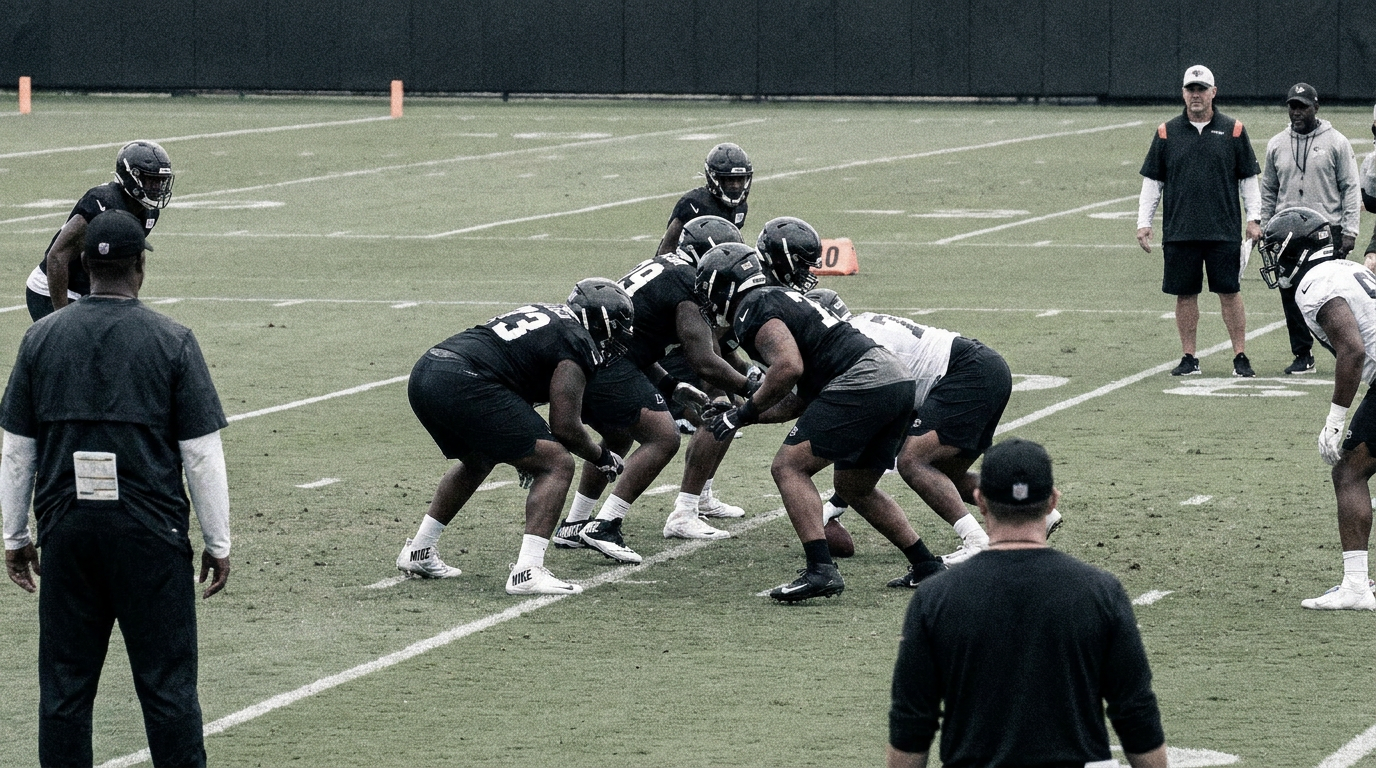
NFL teams are reevaluating personnel groupings after the Los Angeles Rams leaned heavily on 13 personnel during the 2025 season. Coach Sean McVay turned to three‑tight end looks following a midseason injury to receiver Puka Nacua. The package moved from contingency to weekly staple, first featuring prominently against the Jacksonville Jaguars. Usage and efficiency gains since then have informed roster priorities heading into the 2026 NFL Draft.
For years, McVay’s offenses were synonymous with 11 personnel — one running back, one tight end and three wide receivers — which Los Angeles deployed on just under 91% of snaps in 2018. The 2025 pivot to 13 personnel — one back, three tight ends and one wideout — marked a clear departure from that identity. Team figures indicated the Rams used 13 personnel on nearly 39% of offensive snaps in the Jaguars game and leaned on the package at a high rate for the remainder of the season.
The aim was to stress nickel‑heavy defenses with heavier sets while preserving enough multiplicity to keep calls balanced. With Nacua sidelined, the Rams leaned on tight ends to set edges in the run game, open play‑action windows and create mismatches against lighter boxes. Historically, Los Angeles had used 13 personnel sparingly; in 2025 it became a base complement that let the Rams dictate terms at the line of scrimmage and disguise intent without wholesale substitutions.
Rams’ efficiency gains in heavier sets
Efficiency bump under three‑TE looks
The returns were measurable. Team‑level efficiency tracking showed Los Angeles posted its best overall expected points added per play since 2018, with plays from 13 personnel even more productive. Those gains, coupled with the ability to control tempo and matchups, elevated three‑tight‑end packages from situational tool to core component.
Stress on nickel defenses
Heavier groupings forced opponents out of nickel while maintaining credible pass threats. With three tight ends on the field, Los Angeles could run inside, attack the perimeter with keepers and screens, and hit vertical routes from condensed formations. The lack of wholesale substitutions made tendencies harder to spot and helped the Rams sustain rhythm.
League draft and roster ripple effects
Teams target versatile tight ends
Other teams took notice. A tight end run on the second day of the 2026 draft signaled broader interest in replicating the Rams’ blueprint, with clubs targeting big, versatile players who can hold up in‑line and threaten the seams. Executives value tight ends who can block at the point of attack, motion across formations and win on play‑action crossers — traits closely aligned with what 13 personnel demands.
Copying requires depth and QB comfort
Emulation is not straightforward. Success with 13 personnel depends on more than volume; it requires tight end depth, a quarterback comfortable under center and a line built to displace fronts. Offensive staffs need layered concepts — runs, keepers, screens and vertical shots — so defenses cannot key on tendencies. Without that breadth, heavier sets can bog down into predictable runs and compressed passing lanes.
Roster math and defensive answers
Offensive staffing and formations
The trend nudges roster math for front offices. Carrying three game‑day tight ends with diverse skill sets becomes more attractive, and coordinators may shift snaps from WR3/WR4 to TE2/TE3. Special‑teams contributions often decide back‑end tight end jobs, making versatility even more valuable. On the whiteboard, staffs are likely to emphasize condensed formations, motions that manipulate edges and route combinations that punish safeties stepping forward against the run.
How defenses may respond
Defensive coordinators are expected to test bigger linebacker‑safety hybrids and run fits that protect gap integrity without surrendering the deep middle. How quickly effective answers arrive will shape whether the 13‑personnel wave sustains or settles into a situational counterpunch. Camps this summer will show which teams can build the tight end depth to mirror Los Angeles and which offenses can maintain the Rams’ efficiency while scaling the package from wrinkle to reliable core.