World Cup Faces Geopolitical, Economic Challenges
The 2026 World Cup faces geopolitical tensions and implements a new economic model with expanded teams and dynamic, high-cost ticket pricing.
Atlas Newsdesk ·
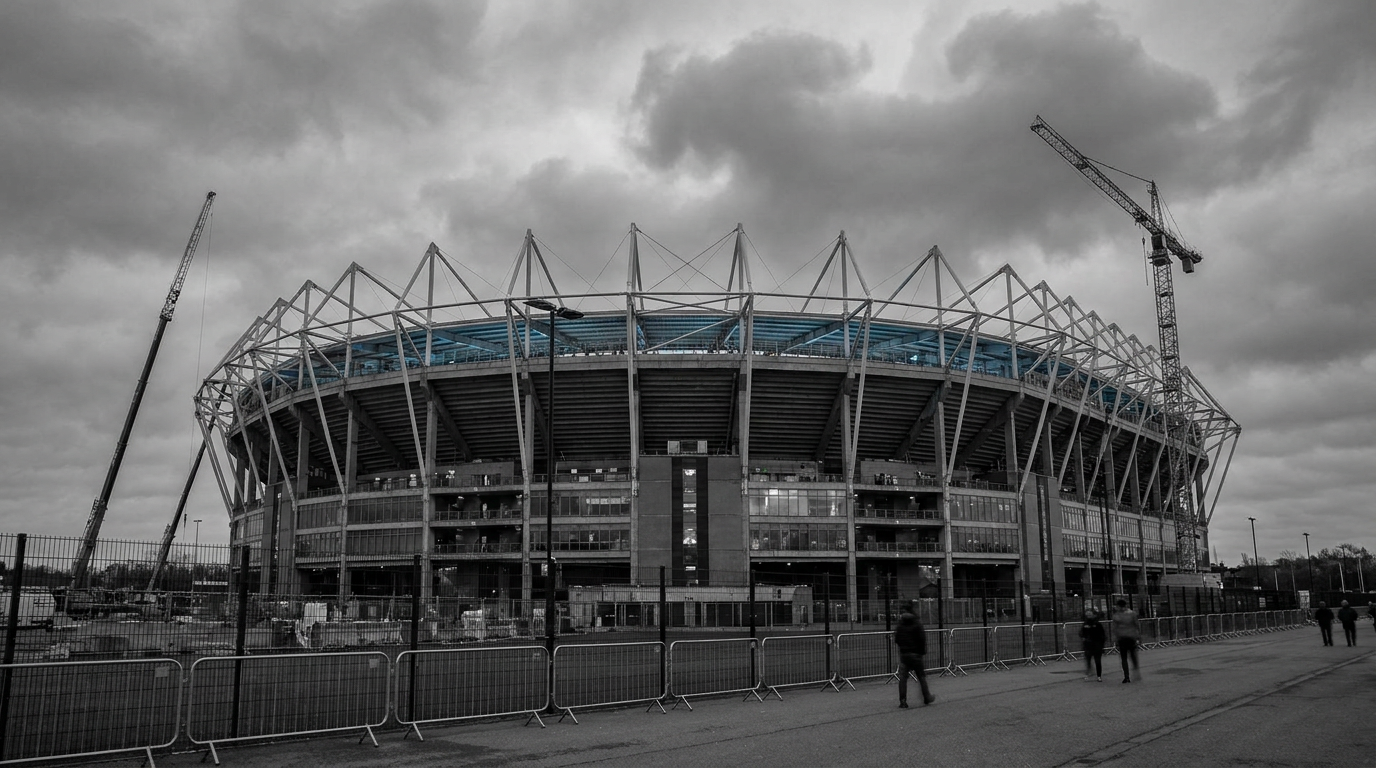
World Cup Faces Geopolitical, Economic Challenges
The 2026 FIFA World Cup, co-hosted by the United States, Canada, and Mexico, is unfolding amidst significant geopolitical tensions and a reconfigured economic model. The tournament, which began on Thursday, features a host nation (U.S.) in conflict with a participating country (Iran), whose team must commute for matches. Concurrently, the three co-host nations are engaged in renegotiations of the USMCA trade agreement, with U.S. President Donald Trump reportedly focused on the tournament's economic implications.
This World Cup marks a substantial expansion, increasing from 32 to 48 teams, resulting in a larger number of games and an unprecedented geographical spread from Vancouver to Mexico City. This scale is projected to generate the highest global television audience for any event. The tournament's economic model, however, is characterized by significantly elevated ticket prices, with some final tickets reaching five-figure dollar amounts and group stage matches costing approximately $1,000. This dynamic pricing strategy, aimed at revenue maximization, represents a departure from previous tournaments.
The economic structure of this World Cup is described as a “K-shaped economy” for fans, where different groups experience varied financial outcomes. While FIFA states that increased revenues will be redistributed for global football development, the immediate impact on attendees includes substantially higher costs for tickets and ancillary services, such as a New Jersey Transit train ticket increasing from $12.90 to $100 for the tournament. This approach prioritizes yield management, aligning with pricing strategies observed in American professional sports.