Israel Election Sets Test for Democratic Institutions
Israel’s October 27 election will shape judicial oversight, religious influence in public life, and the coalition’s institutional agenda.
Atlas Newsdesk ·
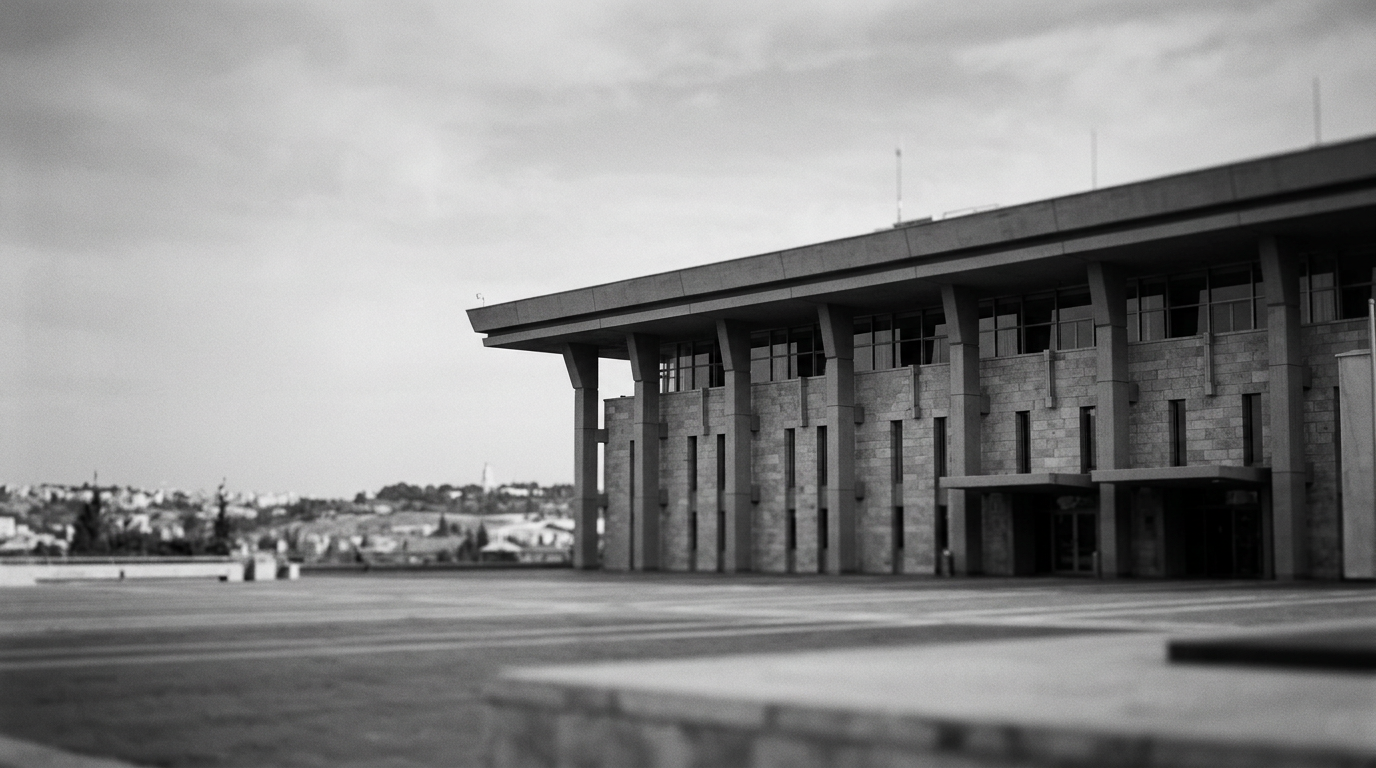
Israel will hold a general election on October 27, an outcome that observers say could shape the country’s democratic framework and the balance between elected officials and state institutions. The vote comes as the current administration, led by Prime Minister Benjamin Netanyahu, advances changes that would reduce judicial oversight and increase the role of religious institutions in the public sector.
Officials in the governing coalition have backed a policy agenda that includes limiting the Supreme Court’s ability to review legislation and expanding political influence over judicial appointments. Supporters describe the changes as necessary to strengthen democratic accountability, while critics argue they would weaken checks and balances. The election result is expected to influence whether those proposals move forward under a renewed mandate or face deeper political and social resistance.
Judicial Oversight and Appointment Powers at the Center
Since 2022, the coalition has prioritized legislative steps aimed at curbing the Supreme Court’s review powers. At the same time, it has sought to increase political control over how judges are appointed, a focus that has turned the judiciary into a central campaign issue.
The debate has moved beyond legal technicalities into wider questions about institutional independence. Observers say the election will serve as a public test of whether voters endorse a continued restructuring of oversight mechanisms or prefer to preserve existing constraints on executive and legislative authority.
Religion, Security Institutions, and Settlement Policy Alongside judicial proposals, the government has promoted measures that expand the influence of religious institutions within public life. The agenda has also included efforts to codify military service exemptions for the ultra-Orthodox community, an issue that has long been politically sensitive and closely tied to coalition dynamics.
The administration has increased state support for West Bank settlements, adding another high-stakes policy area to the election environment. While the source material does not detail specific funding levels or new programs, it frames settlement policy as part of the broader direction pursued by the coalition.
Institutional stability is also a prominent concern. Cabinet members have sought greater influence over national police and military operations, intensifying scrutiny over the boundaries between political leadership and security institutions.
Opposition Fragmentation Adds Uncertainty
Observers note that the opposition remains fragmented and has struggled to present a unified alternative to the current government’s platform. That lack of cohesion may affect how effectively opponents can convert public discontent into parliamentary strength.
With competing visions over the judiciary, religion in public life, settlement support, and the handling of police and military authority, the October 27 election is positioned as a decision point for whether the current institutional agenda continues or meets stronger legislative and social barriers.