WHO Endorses Rapid TB Tests for Global Health
WHO backs new TB diagnostics, recommending portable point-of-care tests, tongue swabs, and pooling to cut costs and speed results within an hour.
Ayla Demirhan ·
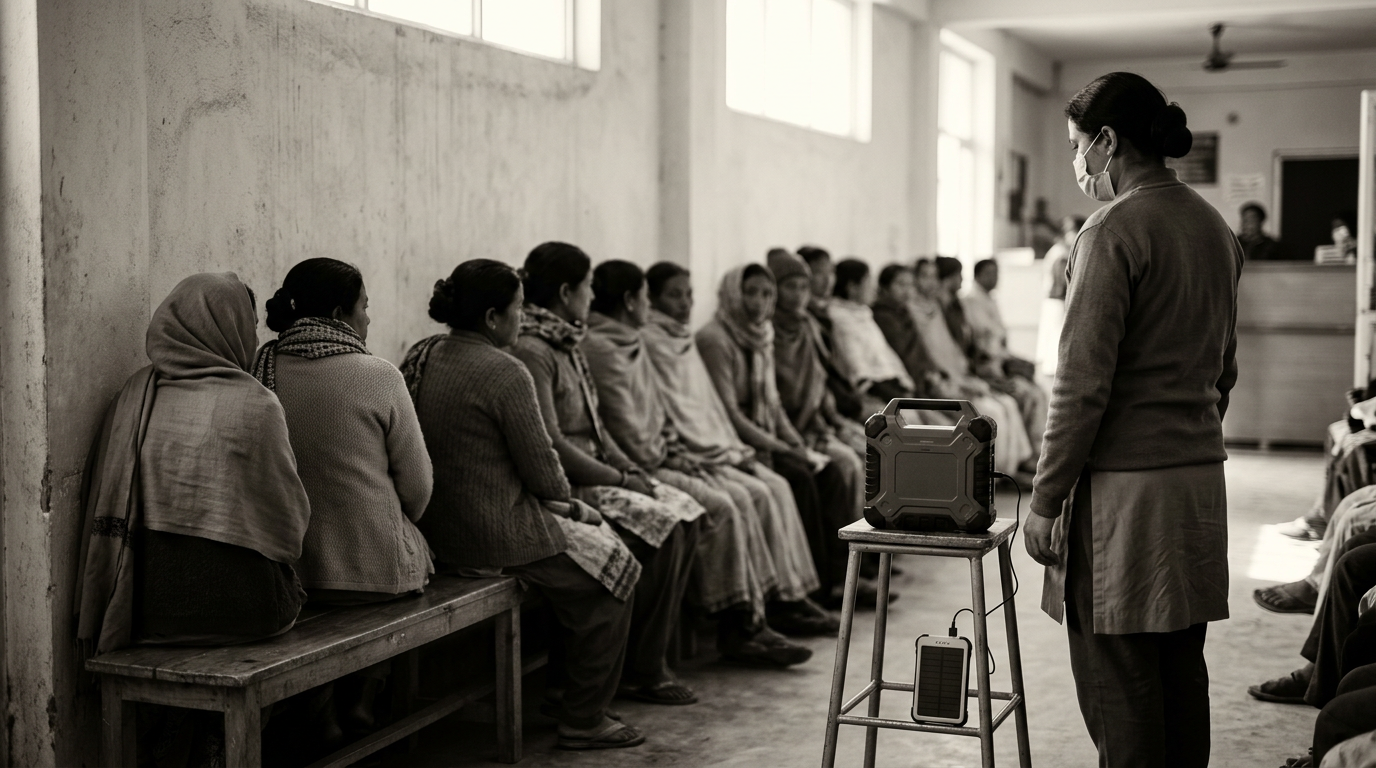
A global health organization has issued new tuberculosis (TB) guidance recommending point-of-care diagnostic tests and alternative ways to collect samples, aiming to speed up detection and treatment.
The guidelines highlight portable, battery-powered tests that can be used closer to patients rather than relying only on centralized laboratories. Officials said the tests are designed to deliver results within an hour and to cost less than half of many existing molecular diagnostics, a feature intended to support wider use in settings with limited resources.
The guidance also expands options for sample collection by endorsing tongue swab samples for people who cannot produce sputum. In addition, it recommends a sputum pooling strategy that combines samples from multiple individuals. The organization said pooling can reduce commodity costs and machine time, which may be particularly relevant where budgets, supplies, and laboratory capacity are constrained.
These recommendations are framed as part of efforts to address TB as a leading infectious cause of death. The organization said faster diagnosis can help shorten delays between infection, confirmation, and treatment, which is central to limiting severe illness and onward transmission.
The guidelines arrive alongside a warning on financing risks . The organization said global efforts against TB have saved an estimated 83 million lives since 2000, but it also cautioned that funding cuts could undermine those gains. The statement links the push for more accessible diagnostics with the need to protect progress made over more than two decades.
The organization also pointed to broader utility for the recommended diagnostic tools, noting their potential use in testing for other diseases, including HIV, mpox, and HPV. It said this multi-disease capability could support more patient-centered diagnostics and strengthen health security by enabling systems to use similar platforms across multiple public health priorities.