WHO Declares Ebola Emergency as Cases Spread to Capitals
The WHO declared a global health emergency over an Ebola outbreak in DRC and Uganda, fearing undetected spread.
Ayla Demirhan ·
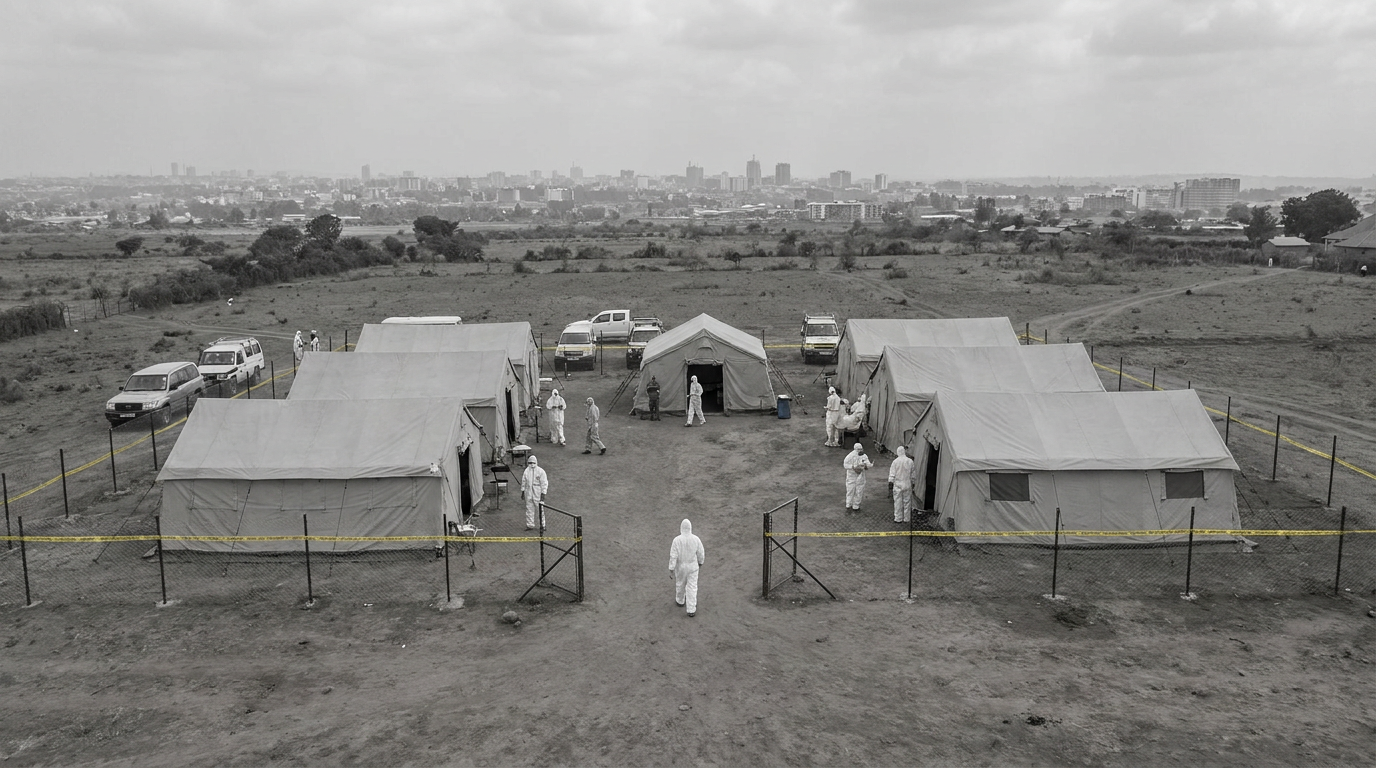
The World Health Organization (WHO) has declared a global health emergency due to an escalating Ebola outbreak spanning the Democratic Republic of Congo (DRC) and neighboring Uganda. Officials expressed significant concern that the virus may be circulating undetected, potentially expanding the scope of the epidemic. This declaration signals the severity of the situation and the need for an immediate, coordinated international response.
Regional Spread Intensifies Concerns
The outbreak has registered approximately 80 fatalities and over 200 suspected cases, tragically including four healthcare workers. A major amplification of concern arose with the detection of a positive Ebola case in Kinshasa, the DRC's most populous city. Further alarming reports confirmed two cases in Kampala, Uganda's capital, one of which resulted in a death, highlighting the virus's rapid cross-border movement.
The initial cluster of infections originated in Ituri Province, a remote northeastern region of the DRC. This area faces challenges including limited healthcare infrastructure and ongoing conflict that displaces populations. These factors, as noted by the WHO, significantly elevate the risk of further transmission throughout the region.
Rare Virus Strain and Limited Countermeasures
Cases identified in this recent surge are linked to the Bundibugyo virus, a comparatively rare and highly contagious strain of Ebola. This variant is less understood than the more frequently encountered Zaire strain. Notably, there are currently no established vaccines or specific treatments approved for the Bundibugyo virus, complicating containment and patient care efforts.
Ebola, a viral hemorrhagic fever transmitted via bodily fluids, remains a formidable foe with no known cure. Initial symptoms often mimic other illnesses, including fever, fatigue, muscle aches, and headaches. Without timely intervention, these can progress to severe vomiting, diarrhea, and bleeding, often proving fatal.
The virus was first identified in the DRC in 1976. Historically, the most devastating epidemic occurred between 2013 and 2016, originating in Guinea and spreading through Sierra Leone and Liberia, resulting in over 11,000 deaths. The current outbreak is being monitored to prevent a recurrence of such catastrophic scale.
The WHO has strongly advised both the DRC and Uganda to rigorously isolate identified cases and trace all individuals who may have come into contact with them. The organization also . However, they cautioned against imposing border closures, as such actions can inadvertently drive migration and complicate efforts to track and control the disease's spread.