White House ballroom security upgrades draw criticism from Democrats
Roll Call reports recent security upgrades to the White House ballroom at 1600 Pennsylvania Avenue NW have become a target of Democratic criticism, raising…
Sophie McAlister ·
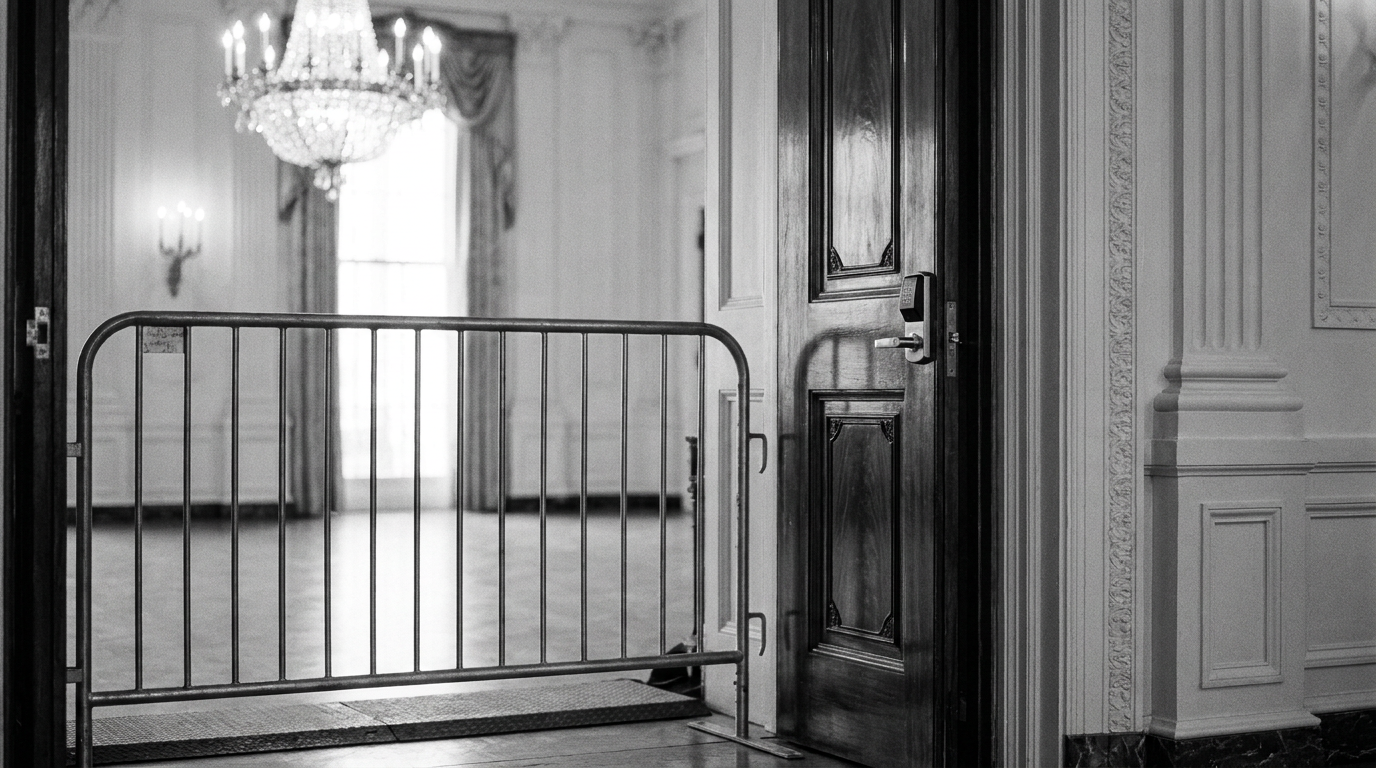
Roll Call reports that recent security upgrades to the White House ballroom at 1600 Pennsylvania Avenue NW have attracted criticism from Democratic lawmakers and officials. The upgrades, which were installed to enhance security inside the historic presidential residence, have become the focus of political scrutiny in Washington.
According to the reporting, Democrats have questioned the scale and timing of the work and are pressing for more information about decision-making and spending tied to the project. The coverage frames the dispute as part of a broader debate over how security improvements around prominent federal buildings are planned, approved and funded.
White House ballrooms serve as venues for ceremonies, press events and official gatherings; changes to those spaces often draw attention because they intersect with both operational security and public-facing hospitality. The Roll Call story notes that the ballroom upgrades touched on those overlapping roles and that elected officials are treating the project as a policy and oversight issue rather than a routine facilities matter.
Political scrutiny in the capital
Democratic scrutiny of the renovations has taken shape through public statements and targeted inquiries, per the report. The attention reflects how decisions about high-profile spaces inside the executive mansion can quickly become political flash points in Washington, especially when questions arise about transparency and fiscal priorities.
Observers in the report framed the moves as an example of how opponents or skeptical members of the majority can use facilities spending to press broader accountability demands. The story places the debate in the context of other recent controversies over federal spending and project oversight, suggesting the ballroom work is being viewed through that lens.
Security, symbolism and oversight
Security upgrades to spaces like the White House ballroom involve operational considerations — from threat mitigation to visitor flow — but they also carry symbolic weight because such rooms are where the administration stages public-facing events. Roll Call's coverage indicates that this combination helps explain why lawmakers have directed attention toward the recent work.
The reporting does not treat the issue as an isolated facilities update but as a case that highlights tensions among executive operations, congressional oversight and public perceptions of spending. Democratic scrutiny, as described, aims to clarify who authorized the changes, what standards guided them, and whether the work aligns with stated security needs.
What to watch next are any formal inquiries, requests for documents, or committee actions that could follow the public criticism. If lawmakers pursue additional oversight steps, the debate over the ballroom upgrades could signal more intense scrutiny of similar projects across federal properties in Washington.