IFAB approves 2026 World Cup law changes to curb time‑wasting and abuse
New football rules for the 2026 World Cup aim to reduce time-wasting, enhance match tempo, and address discrimination.
Mehmet Şahinoğlu ·
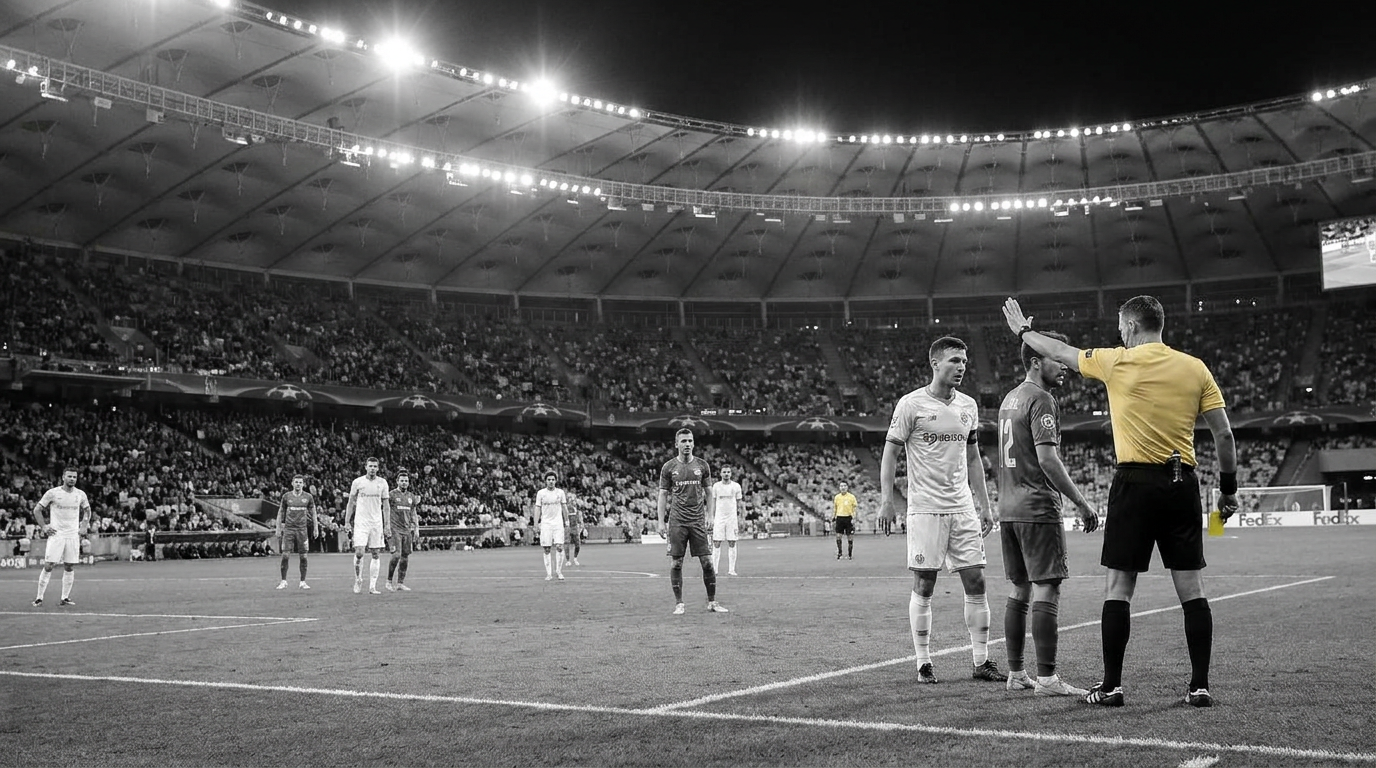
On June 1, 2026, the International Football Association Board approved a package of law changes that will be used at the FIFA World Cup 2026 and applied globally from the 2026–27 season. The measures target time‑wasting, abusive conduct and inconsistent stoppages such as hydration and medical treatment. Officials said teams will be briefed on practical application before the tournament’s June 11 kick‑off to ensure consistency.
Competitions are expected to monitor enforcement and match tempo once play begins. The updates formalize new red‑card offences, refine medical treatment procedures, expand the Video Assistant Referee (VAR) remit and mandate standardized hydration breaks. Referees will have clearer tools to sanction misconduct, which officials said could lead to more dismissals in early rounds as players and staff adapt.
Implementation guidance will emphasize visible cues and strict timing to cut gamesmanship. The framework will be reviewed during and after the World Cup to support consistent application across competitions in 2026–27.
Discipline and dissent measures
Mouth‑covering in confrontations
Players who cover their mouths with hands, arms or shirts in confrontational situations will be shown a red card. Officials said the measure responds to concerns over discriminatory or abusive language that can be concealed in face‑to‑face disputes. Brief, friendly exchanges — such as conversations between club teammates on opposing national teams — are exempt.
Walk‑offs and abandonment
Leaving the field of play to protest a referee’s decision is now a red‑card offence. Team officials who incite or organize a walk‑off will also be dismissed. Teams that cause a match to be abandoned by refusing to continue will forfeit the game, with the change aimed at deterring mass dissent and ensuring matches reach a sporting conclusion.
Tempo of play and substitutions
Five‑second countdown on restarts
Referees will use a visual five‑second countdown — signaled with a raised hand — to accelerate throw‑ins and goal kicks. If a throw‑in is not taken by the end of the countdown, the restart will be awarded to the opponents. If a goal kick is not taken in time, the opponents will receive a corner kick. The aim is to discourage delay tactics, particularly by goalkeepers.
Tighter substitution protocol
Once the substitution board is shown, the player being replaced has 10 seconds to leave the field at the nearest boundary point. If they do not comply, the substitute may enter only at the first stoppage after one minute has elapsed from the restart and with the referee’s signal. Exceptions apply in cases of injury or when safety or security concerns require a different approach.
Medical treatment and hydration
Off‑field treatment window
If on‑field treatment is provided to an outfield player, that player must leave the pitch for one minute after the restart. Exceptions include goalkeeper injuries; collisions between a goalkeeper and an outfield player; collisions between teammates that require attention; severe injuries such as suspected concussions or other head injuries; and situations where the injured player is designated to take a penalty.
Standardized hydration breaks
Every match will include a three‑minute hydration break in each half. The pause will be taken around the halfway point of the half, roughly the 22nd minute, with limited flexibility for the referee to adjust timing based on the flow of play, such as when an injury has already stopped the match.
Expanded VAR remit
Disciplinary reviews and set‑piece incidents
VAR may now check situations where a red card follows a clearly incorrect second yellow card, as well as cases of mistaken identity in disciplinary decisions. Incorrectly awarded corner kicks can be reviewed if the decision can be corrected immediately without delaying the restart.
Officials added that VAR may intervene when an offence occurs before the ball is in play at a set piece — for example, if an attacker fouls a defender before a corner is taken — with any necessary disciplinary action applied and the restart retaken.
Organizers will review data on match length, tempo and discipline throughout the World Cup and into the 2026–27 season, with any clarifications to be communicated to competitions and teams.