When Librarians and Archivists Disputed Custody of the Declaration
In summer 1951, one month after the Declaration's 175th anniversary, the Library of Congress moved the Declaration and Constitution to the National Bureau of…
Sophie McAlister ·
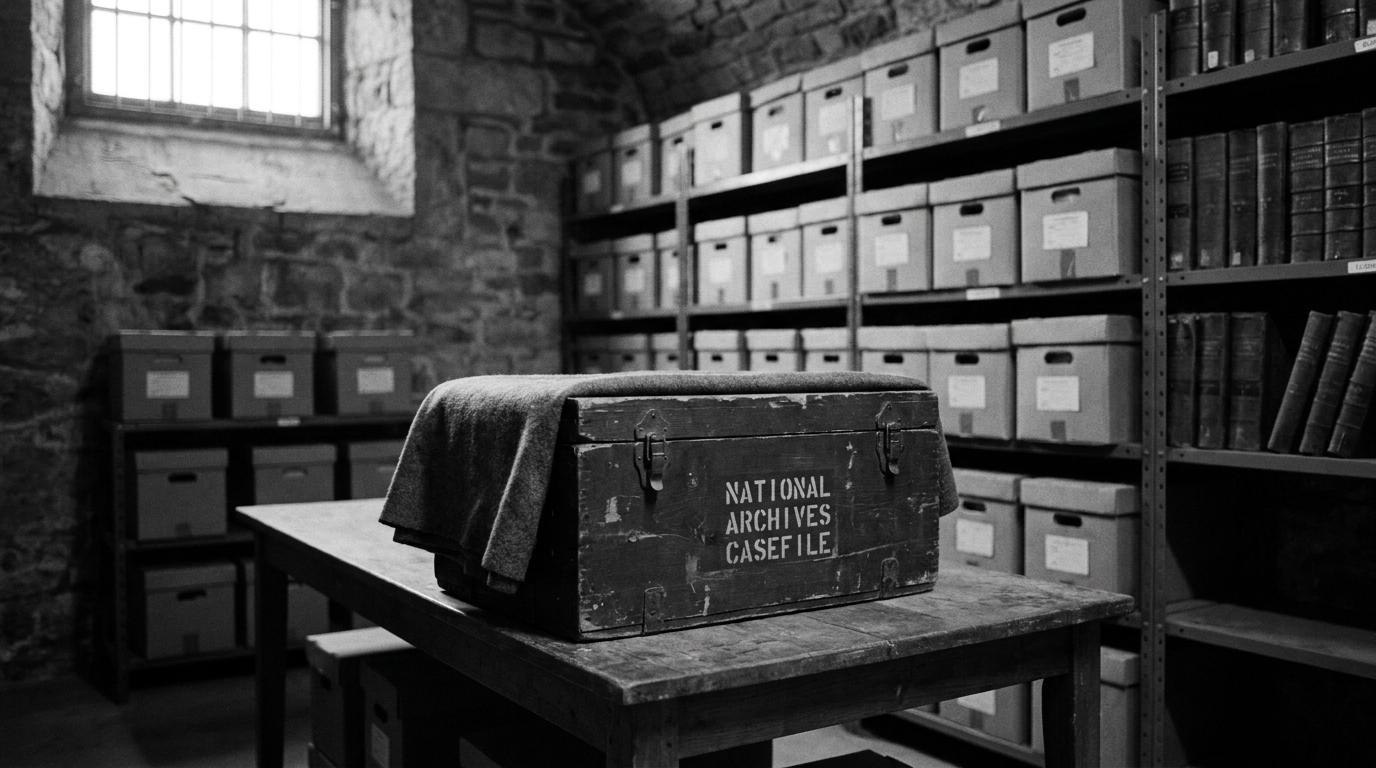
In the summer of 1951, about a month after the nation marked the Declaration of Independence's 175th anniversary, staff at the Library of Congress placed the Declaration and the Constitution into an unmarked panel truck in the library basement and sent them to the National Bureau of Standards' Maryland campus. There, Gordon M. Kline, chief of the Plastics Section, and his team were tasked with developing technologically advanced display and preservation cases to protect the fragile parchments.
The move was carried out with an unusual level of secrecy: the documents departed from a basement loading area and were not transported under public fanfare. Officials at the National Bureau of Standards focused on conservation engineering — testing materials and enclosure methods that could stabilize the documents and slow deterioration while allowing public display.
Why the documents went to a science lab
Conservation at the time was becoming more experimental and technical. The Library of Congress sought expertise that combined materials science, plastics engineering, and environmental control. The National Bureau of Standards, the federal government's primary science agency (now known as NIST), housed laboratories and technicians who could prototype airtight, inert display cases and study long-term preservation methods.
Gordon M. Kline's Plastics Section focused on new polymers and sealing techniques that would limit exposure to air, moisture, and pollutants. The goal was to design enclosures that could both protect the parchment and permit public viewing without repeated handling or risky conservation treatments.
A dispute over stewardship and public display
The transfer and the high-profile engineering effort intensified an institutional conflict over who should control custody, care, and public access to the country's founding documents. The episode highlighted differing priorities: librarians emphasized public stewardship and scholarly access, while archivists and scientists emphasized conservation methods and long-term preservation. That tension shaped decisions about where the documents would be kept, how they would be exhibited, and which institutions would lead preservation efforts.
The 1951 episode became an early example of the trade-offs that public institutions face when balancing preservation science with access. It also illustrated how midcentury technological advances—new plastics, sealing methods, and environmental control—began to influence museum and library practices for high-value artifacts.
Today, the Library of Congress remains the primary steward of many national treasures, and preservation practices have continued to evolve with new materials science, climate control, and conservation ethics. The 1951 transfer shows how Washington institutions have long collaborated — and sometimes clashed — over the balance between protecting historic documents and making them available to the public.
Watch for ongoing developments in conservation technology and institutional agreements that determine where and how founding documents are preserved and shown to the public.