What Trump and Xi Accomplished: Takeaways from Atlantic Council Experts
Atlantic Council analysts unpack what came out of President Trump and Xi Jinping’s two-day summit, identifying diplomatic gestures, trade signals and…
Sophie McAlister ·
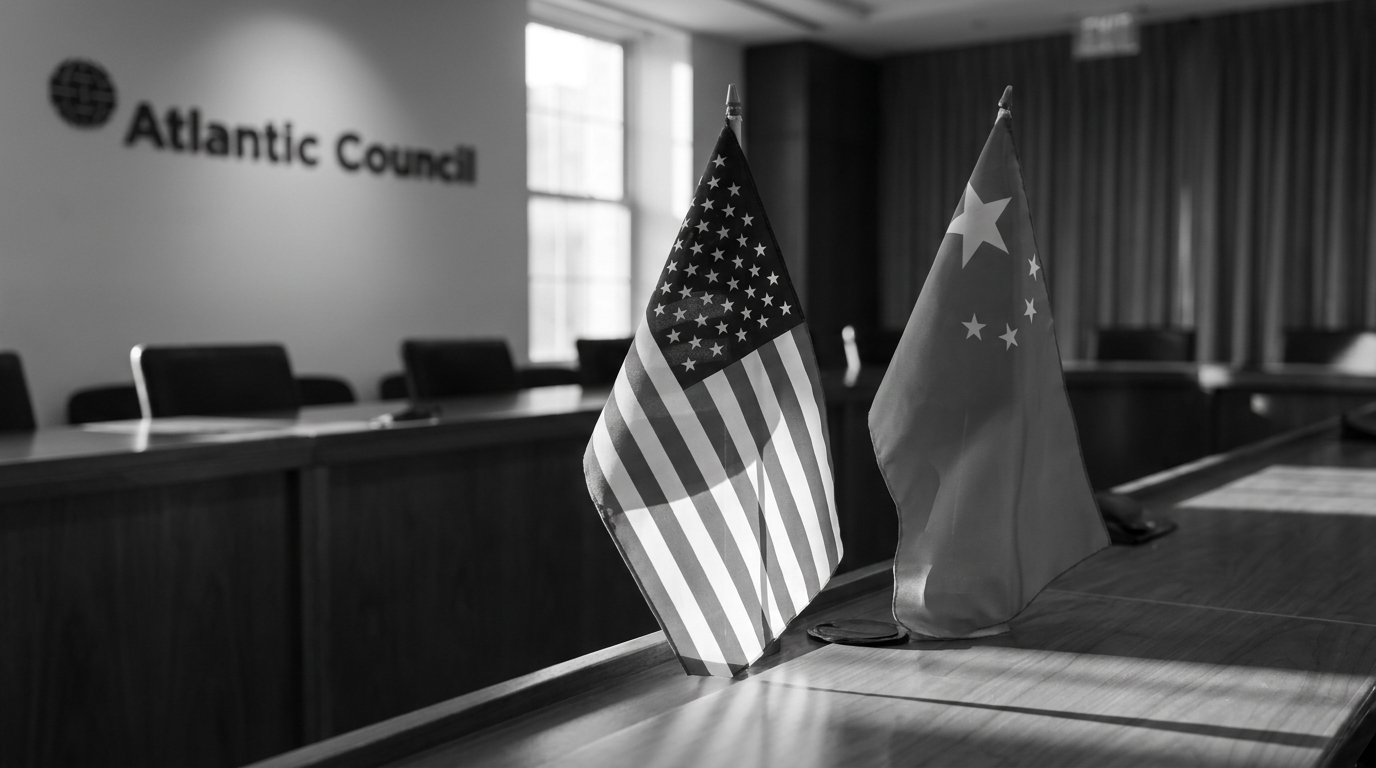
President Trump wrapped a two-day summit with Chinese leader Xi Jinping on Friday and departed aboard Air Force One after meetings and ceremonial events. The Atlantic Council, a Washington-based policy think tank, released expert commentary synthesizing the visit’s public outcomes and near-term policy implications.
The Council’s analysts frame the summit as a mix of high-profile symbolism and tentative technical work rather than sweeping new agreements. Experts underline that visible moments—photo ops, staged ceremonies and bilateral statements—were paired with lower-profile staff-level talks on trade, investment frictions and security channels.
Analysts’ central themes
Atlantic Council contributors identified three recurring threads in their analysis: diplomatic signaling, calibrated economic engagement and guarded security communications. They describe the visit as oriented toward resetting relations on manageable subjects while deferring the most contentious files to follow-up negotiations.
The think tank notes that trade and investment discussions emphasized process and timelines rather than immediate concessions. At the same time, analysts said public diplomacy—leaders’ optics and joint statements—played an outsized role in shaping political narratives for domestic audiences in both capitals.
Implications for Washington institutions
For the Washington policy community, the Atlantic Council’s readout serves as an early roadmap for what federal agencies and congressional committees will parse next. Legal and policy teams at the State Department, Treasury and Commerce are likely to scrutinize any technical understandings reached at the staff level, while Capitol Hill staffers will watch for formal commitments that could require oversight or statutory follow-up.
Think tanks in the city use events and rapid analysis like this to help set the terms of debate for lawmakers, journalists and agency officials. The Council’s framing is intended to give those audiences a structured way to evaluate whether the summit produced durable changes or mostly symbolic progress.
How analysts rate the outcomes
Atlantic Council experts characterize the overall outcome as incremental: meaningful in terms of restoring dialogue but limited in immediate policy change. They point to potential pathways—technical working groups, supervisory mechanisms and targeted economic measures—that could produce concrete results over months rather than days.
Outside analysts and agency officials will now test whether the summit’s gestures translate into defined timelines, memoranda or interagency processes that survive political scrutiny on both sides.
Looking ahead, the main signals to watch are follow-up communications from relevant U.S. agencies, any formal implementation plans published by both governments, and how Capitol Hill leadership frames the visit in hearings and legislative proposals.