FIFA confirms 48-team 2026 World Cup, 12 groups and round of 32
The FIFA World Cup 2026 will expand to 48 teams across 12 groups, aiming to globalize football and generate significant revenue.
Mehmet Şahinoğlu ·
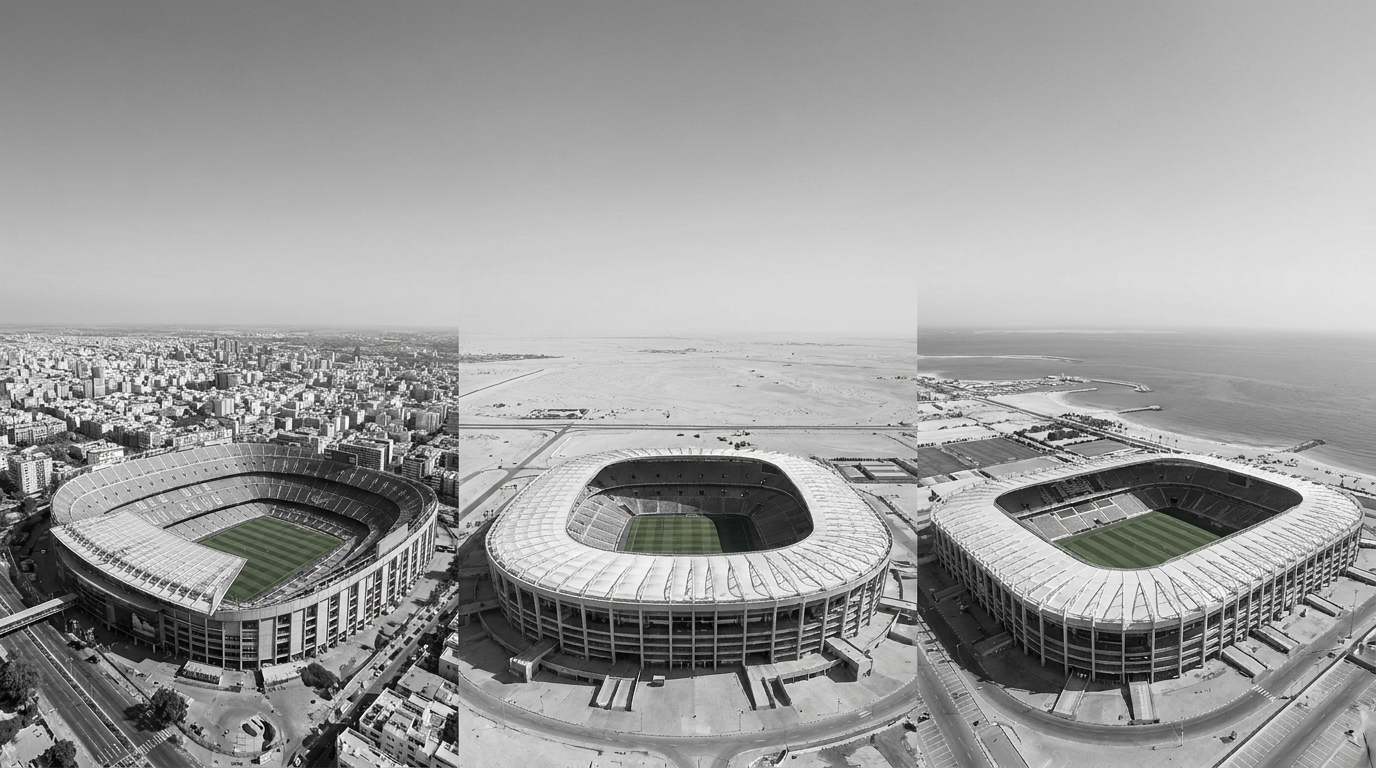
FIFA has confirmed the 2026 men’s World Cup will feature 48 teams in 12 groups of four and will start on June 11, 2026, across the United States, Canada and Mexico. The format introduces a round of 32 after the group stage, replacing the 32-team model used since 1998. The change expands participation while preserving four-team groups that are familiar to coaches, players and fans.
Officials said the redesign is intended to widen access and make the event the biggest in the competition’s 96-year history. The overhaul also carries competitive, logistical and financial implications for the three hosts across scheduling, travel and venue operations.
The World Cup began with 13 teams in 1930, rose to 16, expanded to 24 in 1982 and reached 32 in 1998. With 48 finalists in 2026, nearly a quarter of FIFA’s 211 member associations will be represented. Organisers argue broader access will spur investment in youth development and infrastructure across more regions.
Under the new structure, the top two teams in each of the 12 groups, plus the eight best third-placed sides, advance to the round of 32. From there, the tournament proceeds in straight knockouts through the last 16, quarterfinals, semifinals and the final. Seeding and tie-breakers such as goal difference will remain central to group-stage calculus.
Group jeopardy is expected to persist despite the enlarged field. With 32 knockout places available, many third-placed teams could remain alive until the final matchday, potentially increasing decisive fixtures late in the groups. Officials acknowledge the presence of more lower-ranked sides may also lead to some one-sided results, a trade-off accepted in pursuit of wider reach.
Format and competitive stakes
Advancement from 12 groups
The 12-group layout keeps four-team pools, preserving match rhythm while expanding the bracket. The third-place pathway gives strong starters a safety net but also raises the premium on efficient game management, rotation and set-piece execution to secure favorable knockout positions.
Debutants and expanded slots
The expansion is expected to open doors for emerging football nations. Four teams will make their men’s World Cup debut in North America: Curaçao, Cape Verde, Jordan and Uzbekistan. Their inclusion reflects wider qualification pathways created by additional slots allocated to each confederation.
Travel and scheduling across three hosts
Managing distance and rest
Scheduling and recovery will be closely managed across three vast host countries. Teams face long travel distances, and organisers aim to sequence fixtures to protect rest periods while accommodating broadcast windows. Exact group allocations, venues and travel plans will be confirmed with final tournament logistics.
Seeding and group management
For established powers, the expanded pathway still preserves jeopardy. Seeding, goal difference and late-match management in the groups may carry added weight as coaches balance rotation with securing optimal routes through the knockout bracket.
Revenue outlook and economic impact
FIFA revenue guidance
FIFA anticipates the expanded tournament will generate $11 billion in revenue for the current cycle. Leaders have said those funds will be reinvested into football development across all 211 member associations, including youth competitions and infrastructure.
Projected wider economic footprint
Separate estimates point to a larger economic footprint around the event. The World Trade Organization has projected $80.1 billion in gross output linked to the 2026 World Cup, including $30.5 billion accruing to the United States, reflecting spending that extends beyond stadiums to travel, hospitality and services.
Attention now turns to draw procedures, confirmed venues and team preparation ahead of June 11, 2026, when early travel demands and group dynamics will begin to shape the knockout bracket.