Ravens Withdraw Crosby Trade Over Injury Concerns
Baltimore Ravens withdrew from a trade for Maxx Crosby on March 11 due to knee injury concerns, subsequently signing Trey Hendrickson.
Mehmet Şahinoğlu ·
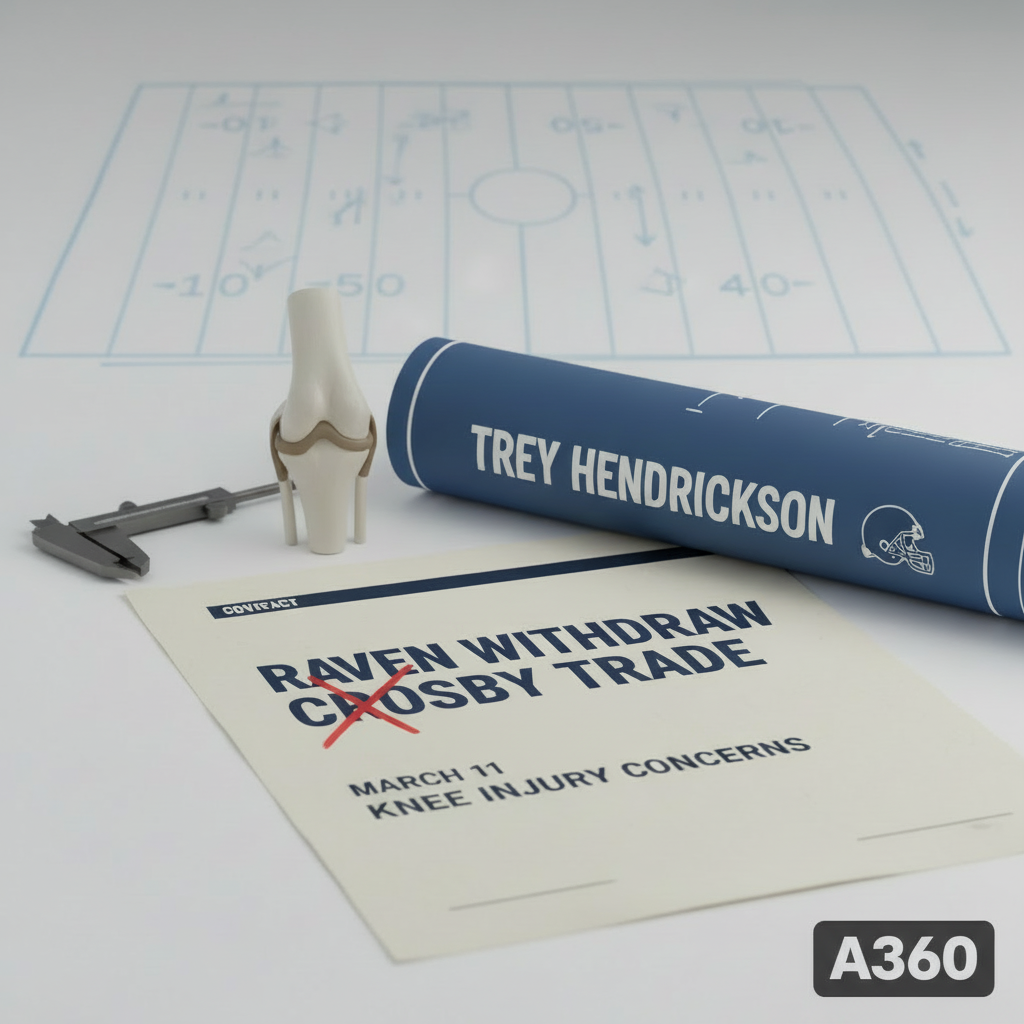
The Baltimore Ravens recently rescinded an agreement to acquire defensive end Maxx Crosby from the Las Vegas Raiders. The decision, finalized on Tuesday, March 11, followed a physical examination that raised long-term concerns regarding Crosby's knee health.
Initially, the Ravens had reportedly consented to send two first-round draft selections to the Raiders in exchange for Crosby. However, this preliminary agreement, which had been in place for five days, was nullified after the physical revealed issues stemming from Crosby's January knee surgery for a meniscus injury, according to reports from The Athletic.
Trade Collapse Details
Maxx Crosby, who had previously sought a trade from the Las Vegas Raiders, will now remain with his current team. The Ravens, following the collapse of the Crosby deal, moved swiftly to secure another defensive asset. By Wednesday morning, the team had signed free agent pass rusher Trey Hendrickson to a four-year contract.
NFL Transaction Rules
This sequence of events highlights a standard practice within the National Football League's transaction rules. Teams are permitted to withdraw from trade agreements if a player fails a physical, particularly when these agreements are made prior to the official commencement of the new league year. This provision allows franchises to protect their investments against unforeseen medical risks.
Historical Precedent for Baltimore
For the Baltimore Ravens, this is not an isolated incident. The organization has a documented history of withdrawing from deals based on failed physicals. Notable past instances include the team's decision to pull out of agreements for wide receiver Ryan Grant in 2018 and defensive tackle Michael Brockers in 2020. These precedents underscore the team's stringent approach to player health assessments before finalizing roster changes.
Impact on Team Strategies
The withdrawal from the Crosby trade and the subsequent signing of Hendrickson reflect the Ravens' ongoing strategy to bolster their defensive line. The Raiders, meanwhile, retain a key defensive player, albeit one who had expressed a desire to be traded. This situation could influence future contract negotiations or trade discussions involving Crosby.
Outlook for Both Franchises
The Ravens' quick pivot to Trey Hendrickson demonstrates their commitment to addressing defensive needs despite the setback with Crosby. For the Raiders, retaining Crosby means they maintain a significant pass-rushing threat, but they also face the challenge of managing a player who had sought to leave the team.
Both franchises will continue to navigate their respective off-season strategies as the new NFL league year approaches, with player health and team fit remaining critical considerations for roster construction.
Implications
Country Impact: The event primarily impacts the U.S. professional sports market, specifically the NFL, influencing team rosters and player movements.
Industry Impact: Within the sports industry, this highlights the critical role of medical evaluations in player transactions and the financial implications of failed physicals on trade agreements.
Market Impact: The immediate market impact is on team salary caps and draft capital, as the Ravens reallocated resources to sign Trey Hendrickson instead of trading for Crosby.