Global Infrastructure Disruptions Following Extreme Weather Events
Recent global storms, including Hurricane Lowell, have caused severe infrastructure and transport damage. Learn how to improve your risk management.
Lauren Collins ·
Hurricane Lowell has caused widespread power outages and infrastructure damage across the Hawaiian islands of Ni‘ihau, Kauaʻi, and O‘ahu. The Category 2 storm necessitated the first tornado watch in the state's recorded history, highlighting an increasingly volatile hurricane season driven by El Niño conditions.
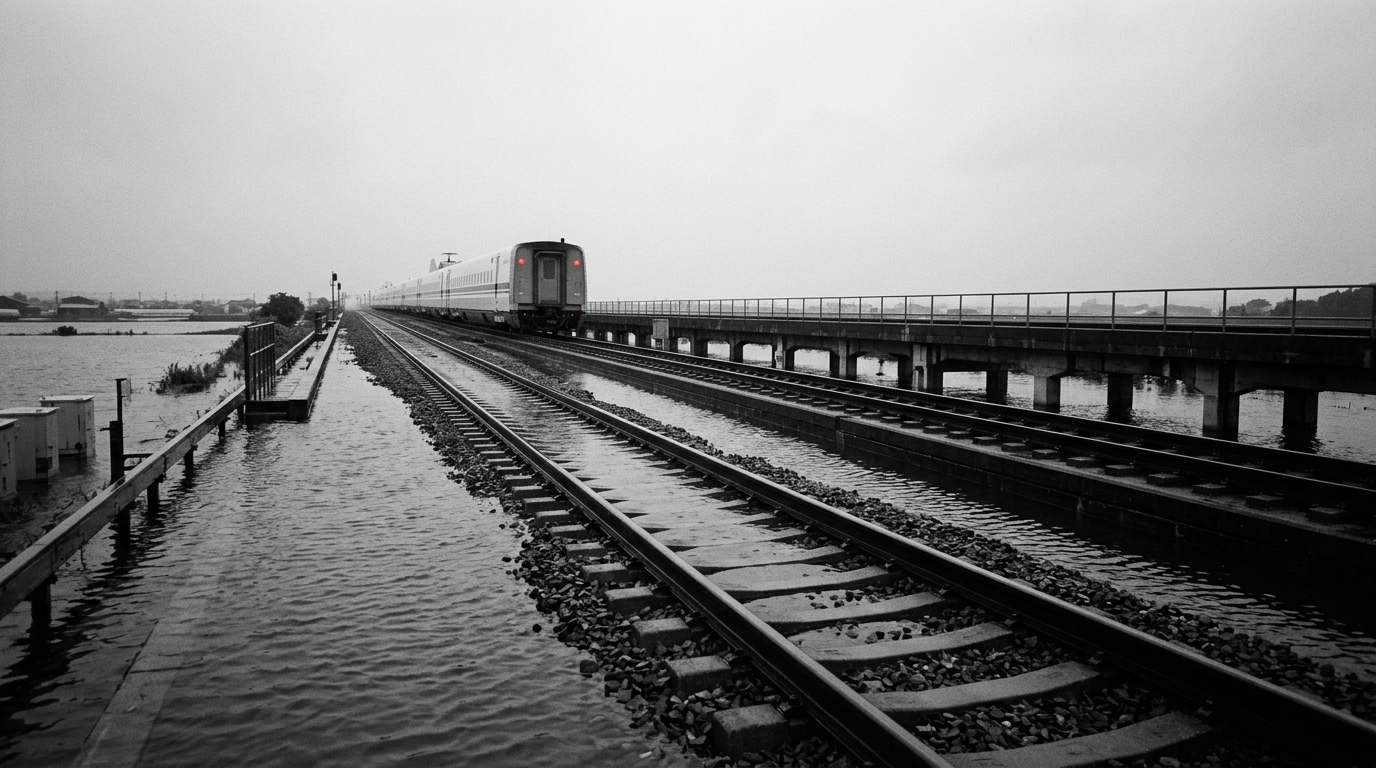
In Japan, extreme rainfall associated with tropical depression Krovanh has disrupted critical transportation networks, including the Tokaido Shinkansen bullet train. Flooding in Nagoya and subsequent landslides near Mount Fuji underscore significant risks to regional logistics and public safety, with landslide advisories remaining in effect.
Simultaneously, severe thunderstorms across Italy, Austria, and the Balkans have caused flash flooding and localized infrastructure damage. These events, triggered by the collision of a cold front with unusually warm Mediterranean waters, represent a temporary but acute disruption to regional transit and utility stability.
While conditions in Europe are expected to stabilize, the cumulative impact of these global weather events necessitates a review of regional disaster response and infrastructure resilience protocols.