NSW Wetlands Face Collapse as Water Flows Halted
NSW wetlands crisis deepens after Water NSW halted environmental flows in March, drying Ramsar sites and prompting wildlife rescues and criticism.
Ayla Demirhan ·
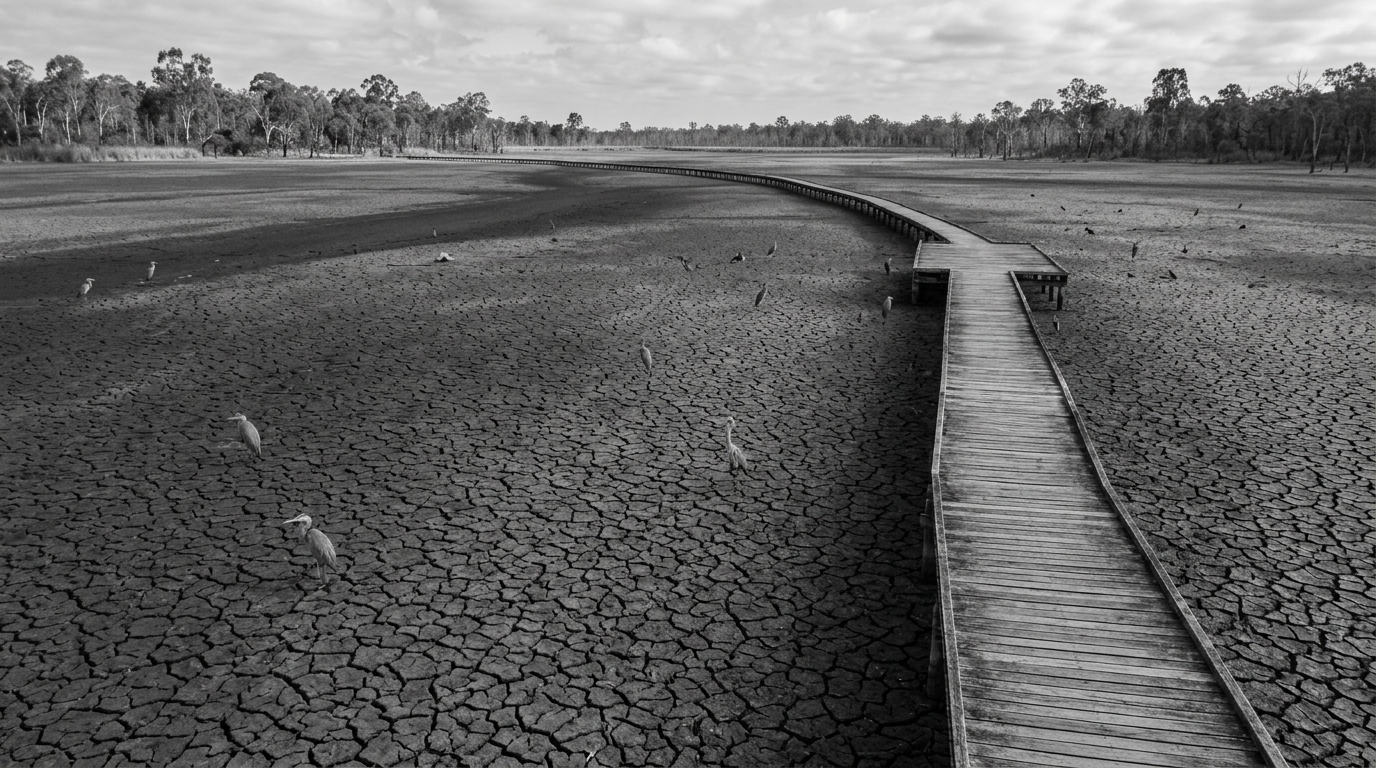
Hundreds of turtles and other wildlife have died in the Gwydir wetlands region of New South Wales, Australia, after Water NSW decided in March to stop environmental water deliveries, according to researchers and local accounts. The move has been linked to rapid drying across parts of the wetland system and has triggered emergency efforts to save animals stranded as water receded.
The halted deliveries affected the Gingham watercourse, which supports four Ramsar-listed sites. Officials and scientists said the loss of environmental flows contributed to wetlands drying out, leaving wildlife trapped in shrinking pools and mud. Researchers from the University of New England documented rescues of broad-shelled turtles from drying mud as conditions deteriorated.
As part of the response, 39 broad-shelled turtles were transferred to Taronga Western Plains Zoo in Dubbo, the researchers said. The incident has also affected native birds and frogs, and has harmed endangered species, according to those involved in monitoring and rescue work. Local communities have criticised the decision and the damage that followed, while rescue operations have focused on retrieving surviving animals from exposed wetland areas.
Accounts of the decision-making indicate the environmental water was intended for ecosystem restoration, but deliveries were withheld after concerns were raised by a landholder about possible inundation of private property. Professor Richard Kingsford, a river ecologist, described the outcome as an “appalling” bureaucratic failure and said environmental flows are set aside to support ecosystem health.
The episode has also raised concerns among Kamilaroi traditional owners, who said the drying wetlands affect cultural connection to Country.
NSW water minister Rose Jackson said the government is working on “pathways to reinstate those deliveries while managing liability as soon as possible.” The statement points to ongoing uncertainty about when flows could resume and what conditions may be attached to any restart. For communities and scientists watching the wetlands, the immediate risk remains the continued stress on wildlife and habitat while water access is unresolved.
Beyond the local ecological toll, the situation draws attention to how environmental water is administered and how competing concerns can shape outcomes in sensitive river and wetland systems. Ramsar-listed wetlands carry international recognition, and damage to such sites can heighten scrutiny of management decisions and the safeguards around protected ecosystems.
The incident also underscores the operational and legal challenges governments face when balancing environmental objectives with property and liability considerations.