Venetian Printmakers Exhibit Ran at NGA in 2019
Venetian Printmakers at Gallery of Art ran March 24–June 9, 2019, featuring about 120 prints from 16th-century Venice.
Sophie McAlister ·
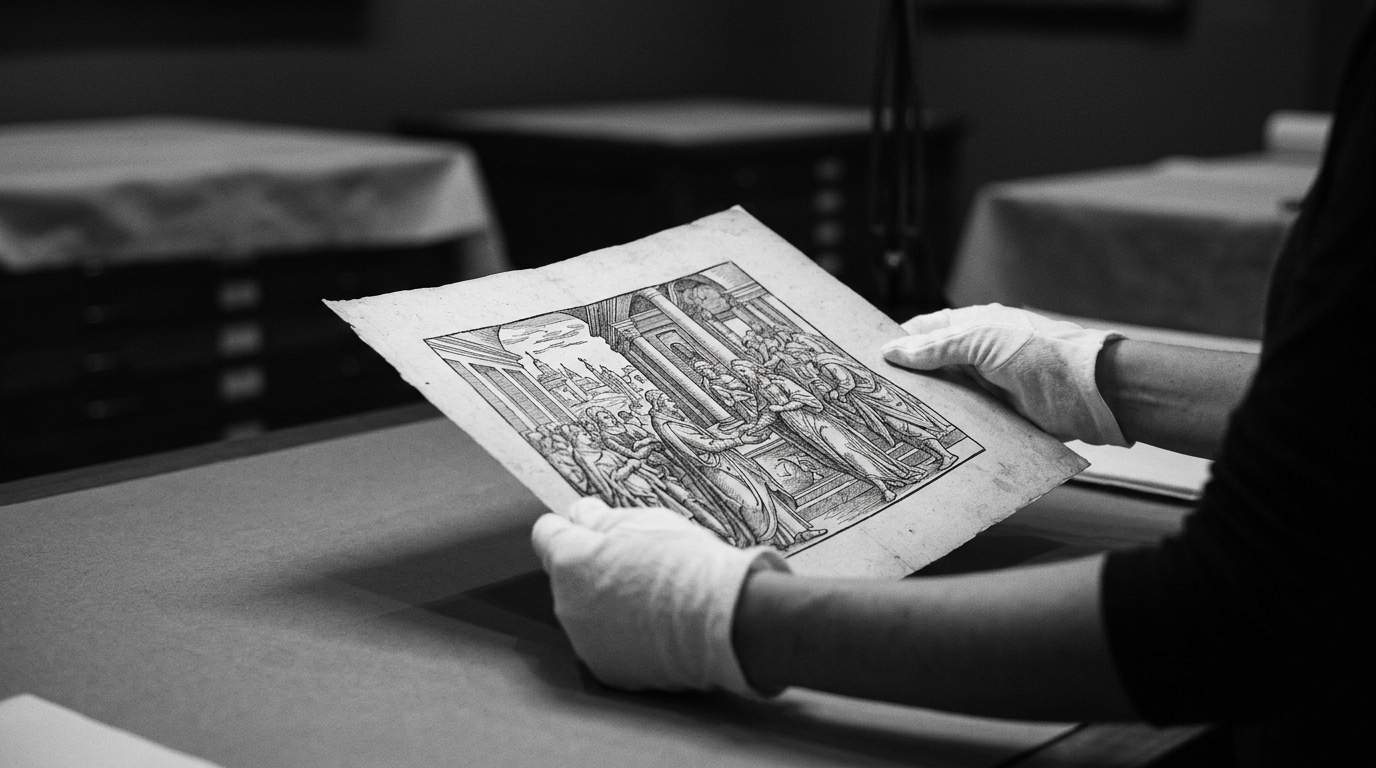
Gallery of Art in Washington, D.C. presented an exhibition titled Venetian Printmakers Working in the Time of Tintoretto , running from March 24 through June 9, 2019. The show focused on printmaking in 16th-century Venice, positioning the medium as a major artistic force during the Renaissance rather than a secondary craft.
Officials described the exhibition as a close study of how Venetian printmakers developed techniques, introduced new visual approaches, and built careers alongside a painting scene dominated by figures such as Tintoretto. The presentation placed attention on artists whose names were often less prominent than leading painters, while stressing that their work carried its own stylistic identity and technical ambition.
At the center of the exhibition was a At the center of the exhibition was a selection of about 120 prints. The group was designed to map the breadth of Venetian print production, showing how printmakers used the format to pursue both skilled reproduction and independent invention.
Printmaking techniques on view in Renaissance Venice
The works on display illustrated a range of methods used in the period, including engraving and chiaroscuro woodcuts. By showing different techniques side by side, the exhibition framed printmaking as a field of experimentation, where line, tone, and compositional choices could be pushed in distinct directions depending on the desired result. Gallery of Art also used the selection to underline craft decisions that shaped the final image. In this telling, printmakers were not only technicians translating other artworks, but artists making deliberate choices about visual impact through the handling of tonal contrast and the organization of forms.
Original compositions and an evolving art market
Venetian Printmakers Working A key theme was the balance between replication and originality. The exhibition highlighted that printmakers reproduced imagery, but also produced original compositions, reflecting both artistic goals and practical realities of patron demand.
Officials said the show traced how printmakers responded to a changing market for art. As needs shifted among patrons, printmakers adapted subject matter and presentation, showing how the medium could serve both established tastes and new opportunities.
Beyond individual works, the exhibition presented printmaking as a mechanism for spreading artistic ideas across Europe. By circulating images beyond Venice, prints helped carry visual language and compositional models to wider audiences.
The overall narrative connected the period of Tintoretto’s prominence in Venetian painting with a parallel story of printmakers contributing to 16th-century artistic discourse. Gallery of Art framed their output as evidence of a sophisticated understanding of line, tone, and composition, and as a record of Venice’s broader cultural vitality during the Renaissance.
Implications
Country Impact: For US cultural institutions and audiences, the exhibition offered a focused presentation of Renaissance Venetian printmaking at Gallery of Art in Washington, D.C. It also placed lesser-known printmakers into a museum context typically associated with major painters of the era.
Industry Impact: For museums and the heritage sector, the show underscored curatorial emphasis on works on paper and technical processes such as engraving and chiaroscuro woodcuts. It also reinforced the role of printmaking as both an artistic practice and a vehicle for wider image circulation.
Market Impact: The exhibition highlighted how 16th-century printmakers responded to patrons and a shifting art market, emphasizing adaptability in subject matter and composition. It also pointed to how prints functioned as a medium through which images could circulate beyond Venice, widening reach across Europe.