FFT to fine Vallejo over sexist remarks about female chair umpire at French Open
Paraguayan tennis player Adolfo Daniel Vallejo was fined by the French Tennis Federation for sexist remarks about a female referee at the French Open.
Mehmet Şahinoğlu ·
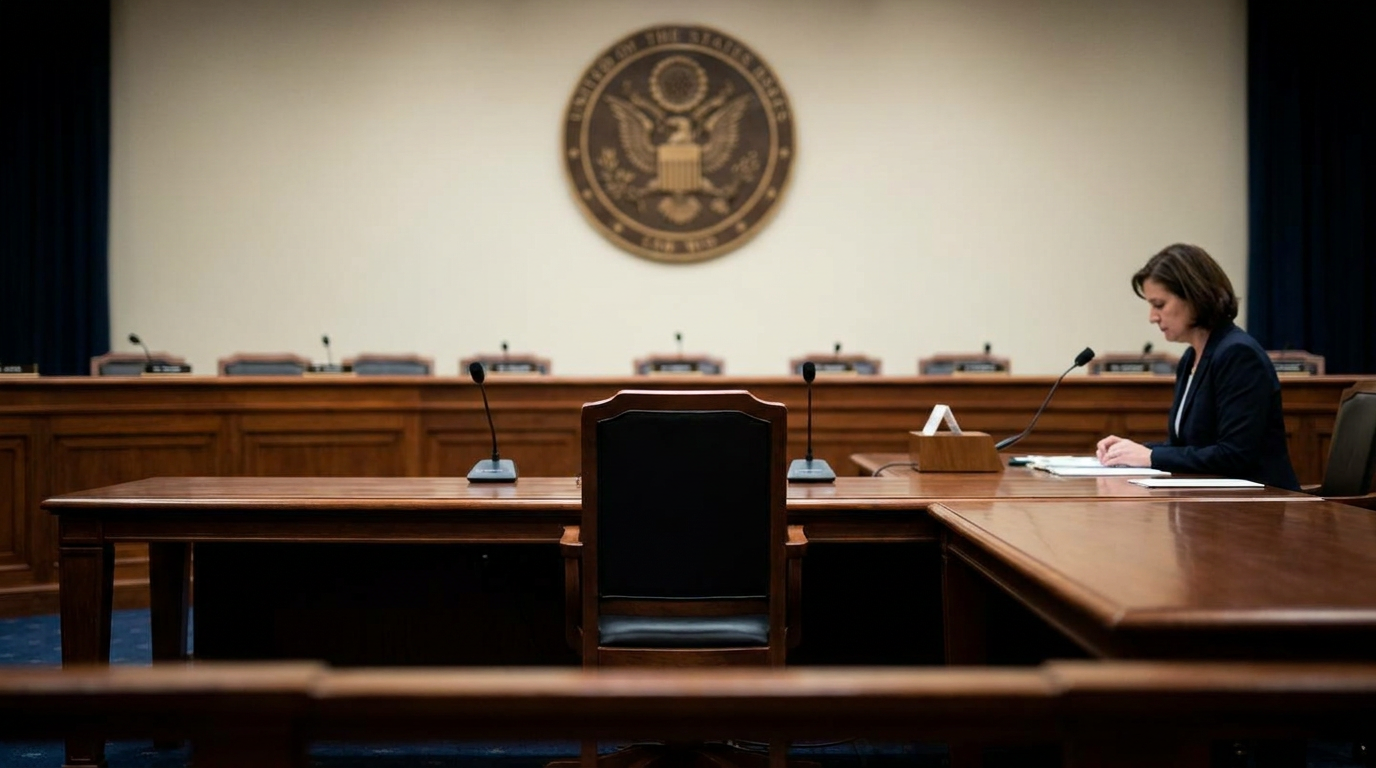
The French Tennis Federation said Friday it will fine Paraguayan player Adolfo Daniel Vallejo for sexist remarks about a female chair umpire at the French Open in Paris. The comments came after his five-set second-round defeat to France’s Moise Kouame on Court Suzanne-Lenglen. The federation condemned the remarks as unacceptable and said a significant financial sanction would follow. Officials did not disclose the amount or timing of the fine.
Vallejo argued after the match that women lack the courage to control hostile crowds and suggested tense contests should be overseen by male officials. His assessment drew swift backlash for framing officiating competence around gender rather than performance, with organisers reiterating that standards apply evenly to all players and matches.
The 20-year-old Paraguayan fell to Kouame in a nearly five-hour battle decided by a 10-8 tiebreak in the fifth set, 6-3, 7-5, 3-6, 2-6, 7-6 (10-8). The contest lasted four hours and 56 minutes on a packed Court Suzanne-Lenglen, where the French teenager fed off home support in a tense decider.
Vallejo blamed Brazilian chair umpire Ana Carvalho for not sufficiently managing the crowd and said long interruptions allowed his opponent to recover at key moments. He maintained that a male umpire would have handled the atmosphere differently, a claim the federation dismissed by underscoring that professionalism and ability — not gender — define officiating standards at Roland Garros.
FFT condemns remarks, says fine will follow
In its response, the federation called the comments unacceptable and said tournament organisers would impose a significant financial sanction on Vallejo. Officials expressed support for Carvalho and for all officials working at Roland Garros, emphasising that umpires must be able to work without harassment. The statement added that the result of a sporting event, whether positive or negative, cannot justify such remarks.
While the disciplinary step was confirmed, the FFT did not provide details on the size of the fine or when it would be applied. The approach aligns with the tournament’s broader stance that players are responsible for their conduct in post-match comments as well as on-court behaviour.
Vallejo’s clarification and match context
Following the backlash, Vallejo attempted to clarify his position on social media, writing that he was referring specifically to the handling of this match and not to women in general. He added that he did not blame the defeat on the umpire, congratulated his opponent and noted that a home crowd naturally supports its player, while maintaining that time-taking and interruptions affected the match’s physical demands.
Kouame, 17, was buoyed by the Paris crowd throughout the decider. Vallejo said the atmosphere did not harm him but strengthened his opponent — an argument tournament officials contrasted with their view that umpires are trained to manage pressure situations regardless of venue or crowd intensity.
What comes next at Roland Garros
With the fine announced, attention turns to whether any further disciplinary steps follow or whether the matter concludes with the FFT’s sanction and Vallejo’s public clarification. Organisers are expected to continue emphasising that officials must be able to do their jobs without harassment while players operate under clear standards of conduct.