USAID program closure disrupts maternal health services in Nepal
U.S. foreign aid cuts have led to increased maternal and child mortality in Nepal, highlighting a concerning reversal in global health progress.
Claire Dubois ·
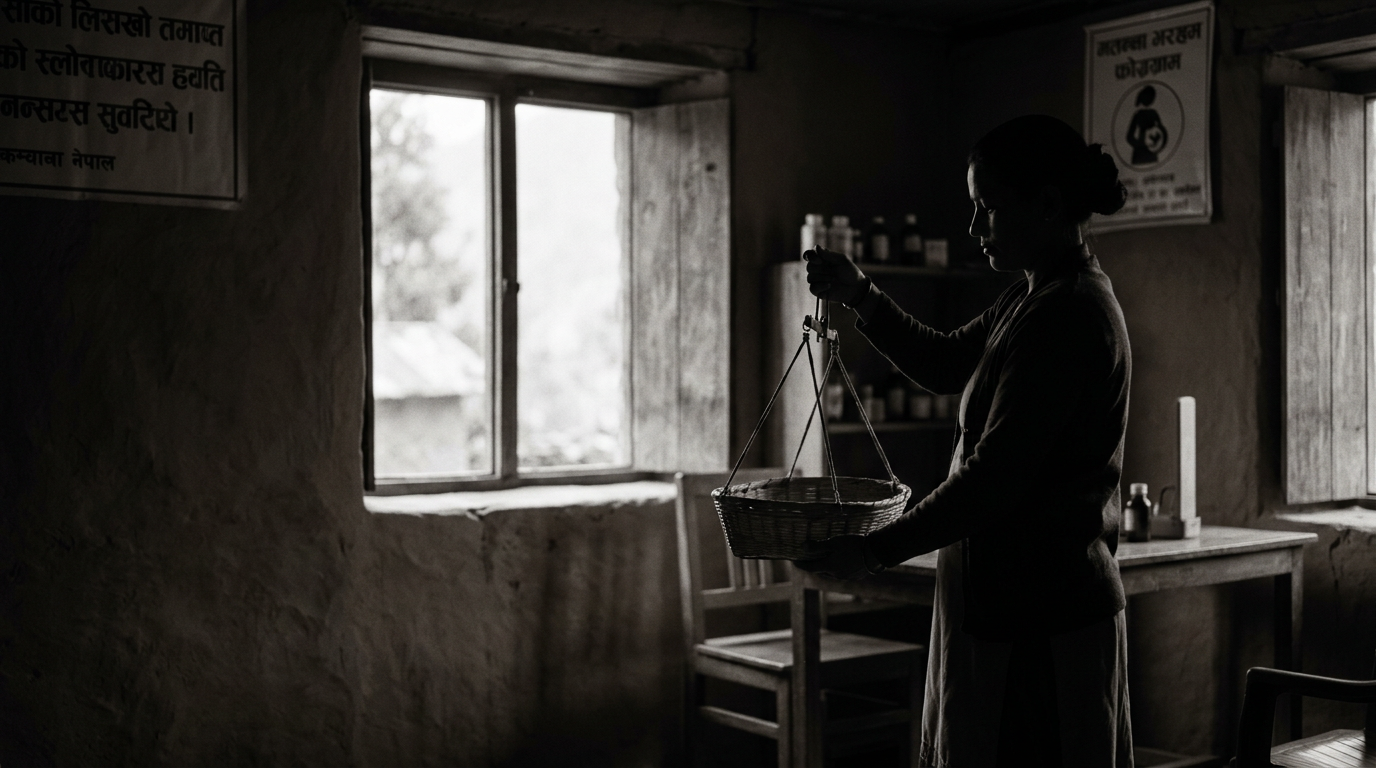
The termination of a five-year, $35 million health initiative following the dissolution of the United States Agency for International Development (USAID) has severely disrupted maternal and neonatal healthcare infrastructure across Nepal. The sudden withdrawal of financial support has forced the complete closure of essential nutrition projects and halted community-based reproductive outreach services, leaving critical care networks paralyzed across vulnerable communities.
Maternal Mortality Surges as Local Clinics Face Supply Shortages
Local health officials report an alarming escalation in maternal mortality rates, with data indicating that annual projected mortality figures are currently being reached in as few as four to six months. Birthing centers and rural clinics across the country are facing persistent staffing shortages and critical deficits in basic medical supplies, effectively dismantling decades of hard-won progress in regional healthcare standards and infant survival rates.
The health crisis unfolding in Nepal aligns with broader international trends, as global health data suggests that shifting aid priorities are contributing to the first major increase in child mortality recorded this century. Academic modeling indicates that these widespread reductions in localized support could lead to up to 14 million excess deaths globally by 2030, a figure that includes an estimated 4.5 million children under five years old.
Policy Shifts Leave Critical Gaps in Developing Healthcare Systems
Addressing questions regarding the reduced aid, the U.S. State Department stated that current foreign assistance initiatives are structured to prioritize operational efficiency and promote greater financial burden-sharing among global partners. However, public health experts emphasize that the loss of localized, direct-intervention programs has created an immediate service vacuum that regional authorities lack the resources to fill.
The compounding reduction in international aid poses severe long-term risks to public health security and socio-economic stability across developing markets. As essential reproductive and neonatal care continues to erode, public health infrastructure in low-income nations remains increasingly exposed to preventable mortality spikes and structural collapse.
In the coming months, the acute healthcare vacuum in Nepal is likely to force regional authorities to pivot toward non-traditional donors and multilateral financial institutions to secure emergency operational capital. This shifting aid landscape could accelerate geopolitical realignments across South Asia and similar low-income regions, allowing emerging global powers to expand their diplomatic and economic influence through targeted health diplomacy.
Economically, prolonged spikes in preventable mortality risk damaging long-term human capital development, which may depress future labor productivity and strain domestic social stability. However, this disruption could also serve as an impetus for local governments to accelerate overdue health financing reforms and foster public-private partnerships, ultimately building more resilient domestic systems.
Such dynamics echo previous structural shifts in foreign assistance, where sudden bilateral funding cuts forced painful but necessary transitions toward sovereign health management. Overall, the trajectory suggests that without rapid stabilization from regional partners or private philanthropy, low-income markets will navigate a protracted period of public health fragility and socio-economic uncertainty.