US Ground Troops Needed to Defeat Iran, Officer Says
A retired US army officer said defeating Iran would likely require large ground forces, as air and naval power alone may fall short.
Mateo Fernandez ·
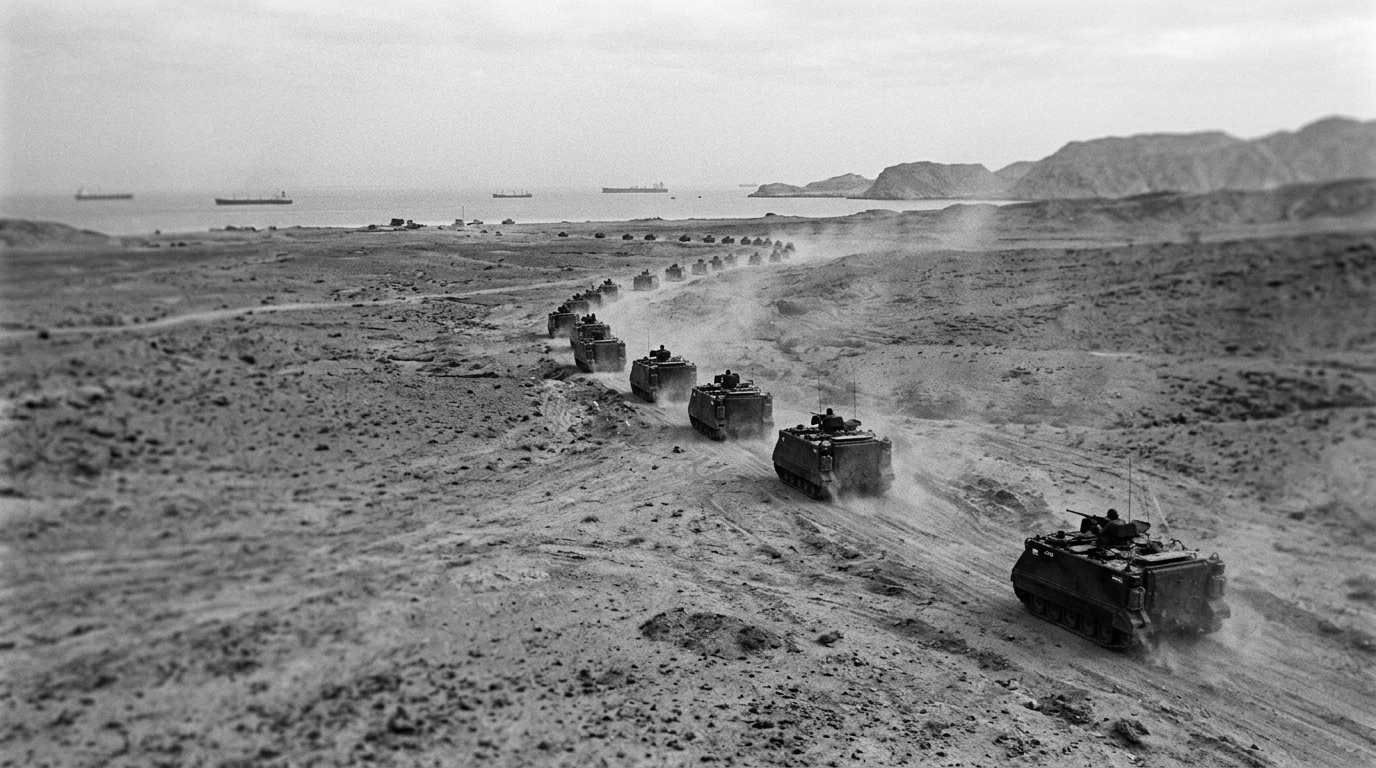
A retired army officer said the United States would likely need sizeable ground forces to defeat Iran, describing a scenario that could reset security dynamics in the Gulf and around the Strait of Hormuz. He said reactions were still pending.
The officer argued that relying only on air strikes and naval pressure would not be enough to achieve defeat. He said any workable military effort would require extended land operations, with significant logistical demands and political costs.
Campaign requirements described as prolonged and costly
United States In his assessment, the officer said Iran’s military environment would make a quick, conventional victory unlikely. He pointed to Iran’s dispersed militias, fortified urban centres, and layered anti-access systems as factors that complicate short-duration operations. He added that sustaining forces on Iranian soil would require long supply lines, backing from regional host nations, and troop contributions from a coalition. In his telling, these dependencies would be central to whether such a campaign could be maintained over time. Gulf preparations and Strait of Hormuz focus The officer said Gulf countries are preparing for a post-conflict Iran by reinforcing air defenses and reviewing alternative shipping and insurance arrangements. He said the of these steps would be to limit potential disruption to oil flows and trade routes.
He stressed that this preparation reflects concerns about spillover risks rather than an expectation of imminent offensive plans. He framed the activity as precautionary planning tied to uncertainty around regional stability and commercial transit.
Looking ahead, the officer said governments and shipping firms will be monitoring two near-term indicators: Iranian militia deployments and vessel movements through the Strait of Hormuz. He said these markers will be watched through September 1, 2026, as signals of either escalation or containment.