US Considers Iran Nuclear Stockpile Operation
The US is reportedly considering a special forces operation to secure Iran's HEU stockpile, estimated to be sufficient for 10 nuclear warheads.
Lauren Collins ·
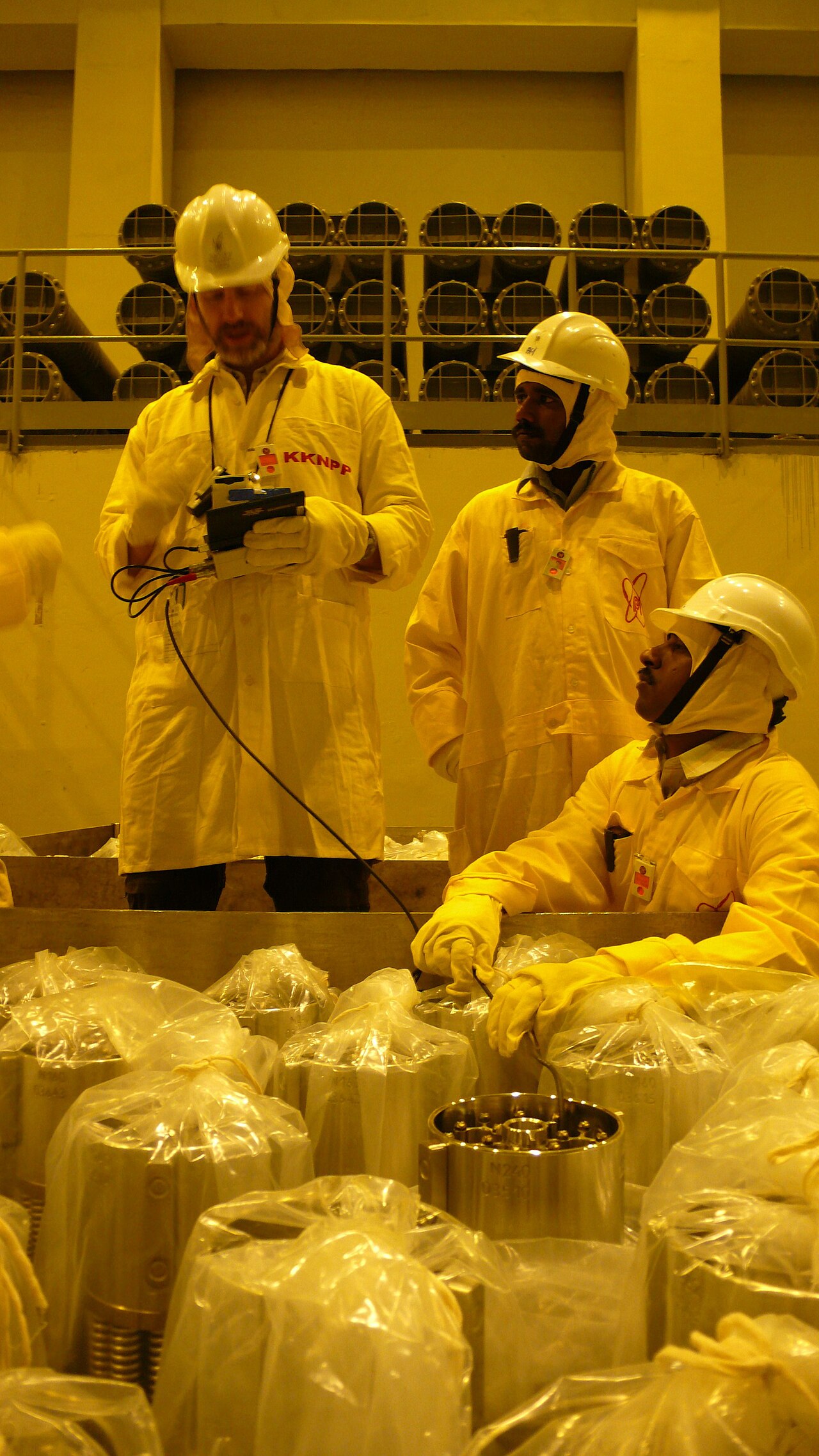
The United States government is reportedly evaluating a potential special forces operation within Iran to secure its inventory of highly enriched uranium (HEU). This consideration, which surfaced in March 2026, aims to prevent Iran from developing nuclear weapons, according to statements from the Trump administration and Secretary of State Marco Rubio.
Experts estimate Iran's HEU reserves could be sufficient for at least ten nuclear warheads. The International Atomic Energy Agency (IAEA) Director General, Rafael Grossi, has confirmed that a significant portion, approximately 200 kilograms, is stored in subterranean facilities near Isfahan. Additional HEU is located at the Natanz enrichment plant, including a recently fortified site identified as Kuh-e Kolang Gaz La.
Strategic Concerns Over HEU
The HEU is maintained as uranium hexafluoride within metal canisters, stored in deep shafts. This material is considered the most critical component of Iran's nuclear program due to its potential for rapid conversion into weapons-grade material. The perceived urgency of this threat has prompted discussions regarding preemptive measures.
Operational Challenges and Planning
Both US and Israeli special operations forces have reportedly conducted training exercises for such extraction missions. The United States also possesses a Mobile Uranium Facility, designed for the containment of nuclear materials. However, experts like Jeffrey Lewis of the Middlebury Institute of International Studies underscore the significant logistical and security hurdles involved in deploying forces to multiple, heavily defended locations deep within Iranian territory.
President Donald Trump has acknowledged the inherent difficulties of such an operation, indicating that any ground intervention would likely follow a substantial degradation of Iran's defensive capabilities. This suggests a multi-phase approach, with initial efforts focused on neutralizing Iranian air defenses and other strategic assets before a ground component could be considered.
Policy Debates and Criticisms
Concerns have been raised by figures such as Democratic Congressman Bill Foster and Harvard Kennedy School analyst Matthew Bunn regarding the apparent absence of a comprehensive strategy for addressing Iran's nuclear program prior to any military action. These critics emphasize that the HEU stockpile represents the most immediate and pressing aspect of the nuclear threat, requiring a well-defined plan beyond just military options.
Historically, international efforts to curb Iran's nuclear ambitions have involved a combination of sanctions, diplomacy, and monitoring by the IAEA. The 2015 Joint Comprehensive Plan of Action (JCPOA) aimed to restrict Iran's enrichment capabilities in exchange for sanctions relief, though the US withdrew from the agreement in 2018. The current discussions reflect a shift towards potentially more direct, albeit risky, interventions.
International Implications
Any military action against Iran's nuclear facilities would carry significant geopolitical implications, potentially destabilizing the Middle East and impacting global energy markets. The international community remains divided on the most effective approach to preventing nuclear proliferation in the region, balancing the risks of military intervention against the perceived threat of a nuclear-armed Iran.
Implications
Country Impact: A US military operation in Iran would significantly escalate regional tensions, potentially leading to retaliatory actions and broader conflict. This could destabilize governments and alliances across the Middle East.
Industry Impact: Global energy markets, particularly oil and gas, would likely experience extreme volatility and price spikes due to disruptions in the Persian Gulf. Defense and security industries could see increased demand and investment.
Market Impact: Financial markets would react with heightened risk aversion, leading to sell-offs in equities and a flight to safe-haven assets like gold and government bonds. Currency markets could see significant shifts, particularly for oil-exporting nations.