U.S. and Vietnam Step Up Effort to Identify More Than 300,000 Missing From the War
Vietnam War MIA: Stimson Center reports Vietnam & US agencies intensify efforts to locate 300,000+ unaccounted service members using archives & forensics.
Sophie McAlister ·
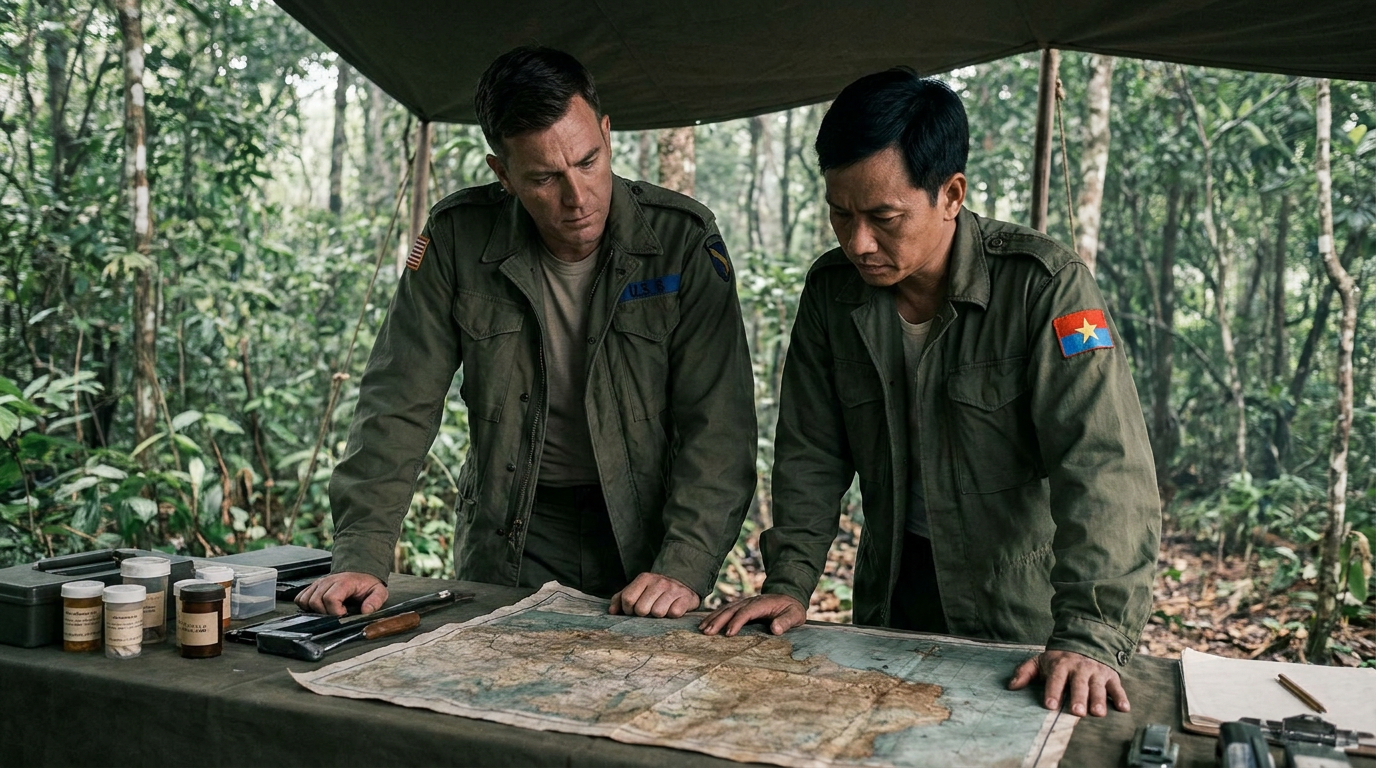
The Vietnamese government, with assistance from U.S. agencies and experts, has broadened efforts to locate and identify more than 300,000 service members still unaccounted for from the Vietnam War, according to a report published by a Washington, D.C.-based think tank. The push comes decades after the conflict ended and aims to provide answers for families and close long-standing cases.
The report describes a combination of archival research, field investigations and forensic work as central to the effort. Vietnamese authorities have been working to compile historical records and coordinate recoveries, while U.S. partners have provided technical expertise, scientific support and policy-level engagement. The paper emphasizes that the work is complex, time-consuming and often hindered by degraded sites and incomplete documentation.
How the search is organized
The piece highlights coordinated activity between Vietnamese agencies and U.S. institutions, with teams focusing on recovering remains, identifying remains through forensic analysis and matching records that can link remains to missing personnel. It notes that historical records, witness interviews and modern laboratory methods all play roles in building cases for identification.
While the scale of the task is large—more than 300,000 people remain listed as missing or unaccounted for from the conflict—the report points to incremental progress where individual recoveries and identifications have been achieved. It frames the effort as both humanitarian and diplomatic: providing closure for families, while sustaining a channel of cooperation between Hanoi and Washington.
Practical and diplomatic hurdles
The report also outlines obstacles. Physical conditions at many potential recovery sites have worsened with time, and documentation is uneven. The article stresses that successful identification requires sustained political will, funding, and technical capacity on both sides. It also notes that family outreach and transparent recordkeeping are essential to connect recovered remains with next of kin.
The Stimson Center piece places the search in a broader context of post-war reconciliation and bilateral engagement. It argues that continued U.S. assistance — both scientific and policy-level — helps maintain momentum and can expand the rate of identifications if paired with long-term commitments from Vietnamese institutions.
Observers and families will be watching whether recent steps translate into more regular recoveries and identifications. Future progress will depend on continued cooperation, funding, and the application of forensic advances that can make matches where records are incomplete.