US troop deaths raise Iran conflict risk
U.S. fatalities in the Iran conflict raise pressure on Washington and deepen the risk of wider regional fighting.
Mateo Fernandez ·
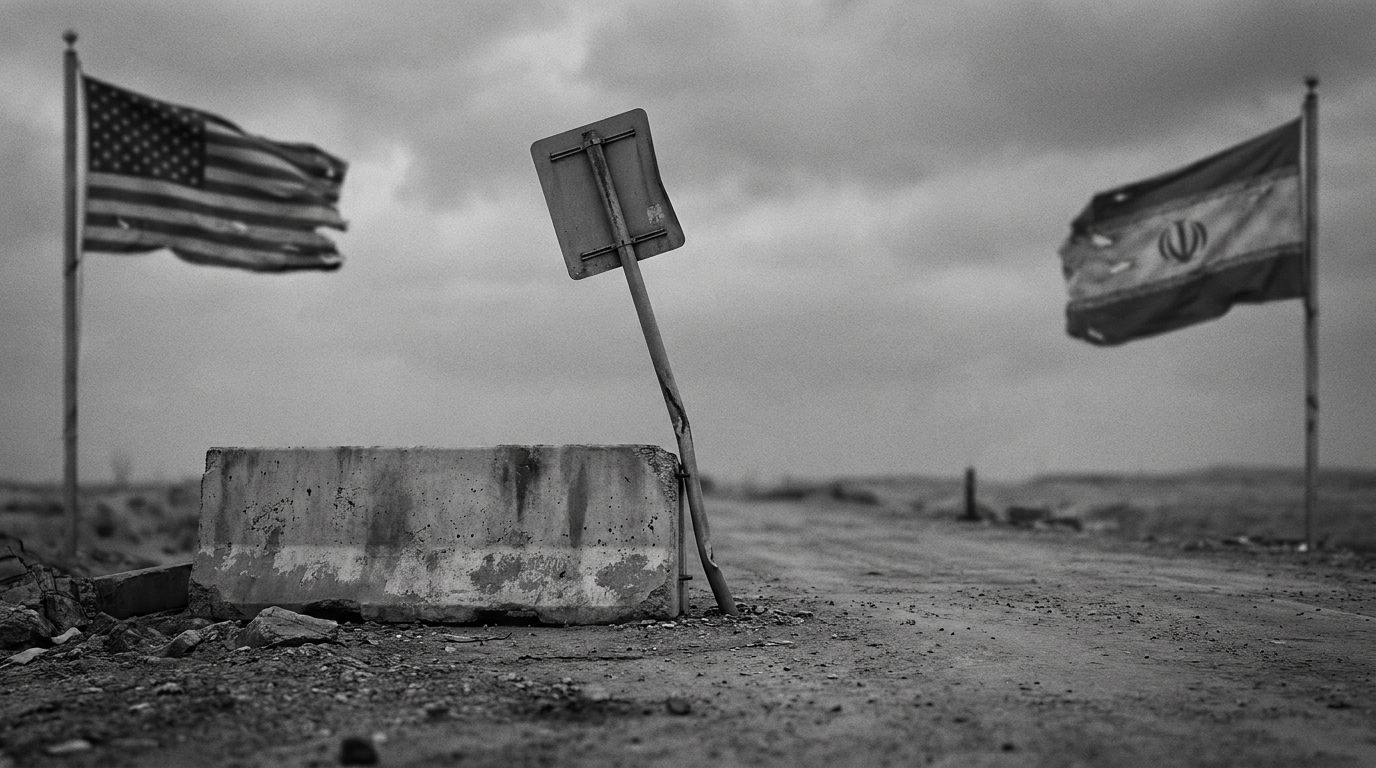
U.S. service members have been killed in the Iran conflict, officials said Sunday, pushing Washington into a more dangerous phase of a war already straining security across the Middle East. Reaction pending. The deaths raise the political and military cost for the United States because direct American fatalities can narrow room for restraint and increase pressure for a visible response.
U.S. fatalities alter Iran calculus
The conflict has already expanded beyond a single front, with regional stability tied to decisions in Washington, Tehran and allied capitals. Officials said the U.S. deaths mark a sharper turn in the confrontation, increasing the risk that military action becomes harder to contain.
For Washington, the immediate question is whether the response is framed as deterrence, retaliation or crisis management. Each path carries different consequences: limited action could aim to restore deterrence, while broader strikes could raise the chance of a regional chain reaction involving bases, shipping lanes, energy infrastructure and allied forces.
For the wider region, the danger is escalation by sequence rather than by declaration. If both sides answer each loss with another operation, the conflict could spread through proxy groups, air-defense networks and maritime chokepoints, making de-escalation harder even without a formal decision to widen the war.
The next 24 hours, through July 20, 2026, will test whether Washington treats the deaths as a contained military incident or as a trigger for a larger campaign against Iran-linked targets.