US targets Iranian oil tankers in retaliatory strike
Initial reports said multiple tankers were hit, putting crude supply risk back in focus.
Mateo Fernandez ·
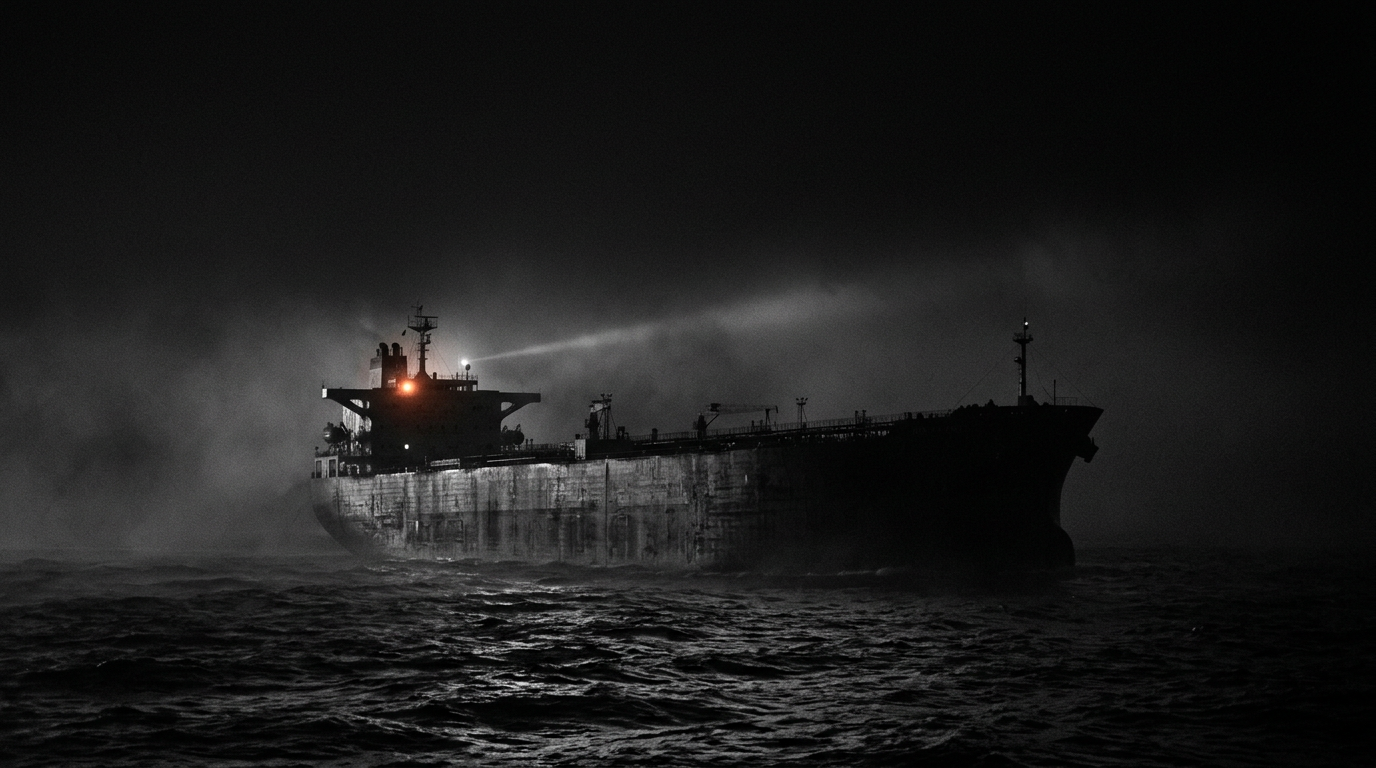
Initial reports said the US targeted multiple Iranian oil tankers on September 8, putting routes tied to Iranian crude under scrutiny. Reaction pending.
The report did not provide confirmed damage, casualty or cargo details. That leaves the market impact dependent on whether the strike disrupted barrels in transit, disabled vessels temporarily or served mainly as a military signal.
Iranian tankers put crude flows at risk
Oil markets usually price this type of event through three channels: lost cargoes, higher freight and insurance costs, and the risk that retaliation widens the disruption. Without confirmed vessel names, locations or cargo volumes, the direct supply effect cannot yet be measured.
If the incident is limited to the targeted tankers, the commodity impact would likely center on near-term risk premiums and shipping costs rather than a broad supply shortage. If further strikes or retaliatory measures follow, traders may focus on whether buyers, insurers and shipowners reduce exposure to Iranian-linked crude flows.
The macro channel runs through energy inflation. A sustained rise in crude would add pressure to fuel prices and complicate central-bank decisions in oil-importing economies; a contained episode would leave the effect closer to a geopolitical premium than a durable supply shock.
By September 9, 2026, the immediate test is whether US officials confirm vessel damage and whether energy markets assign a measurable premium to crude linked to the strike.