US strikes Iran sites as Tehran attacks Jordan, Bahrain
The US launched strikes on Iranian military sites on September 1, leading to Tehran's retaliation with missiles and drones against targets in Jordan and…
Mateo Fernandez ·
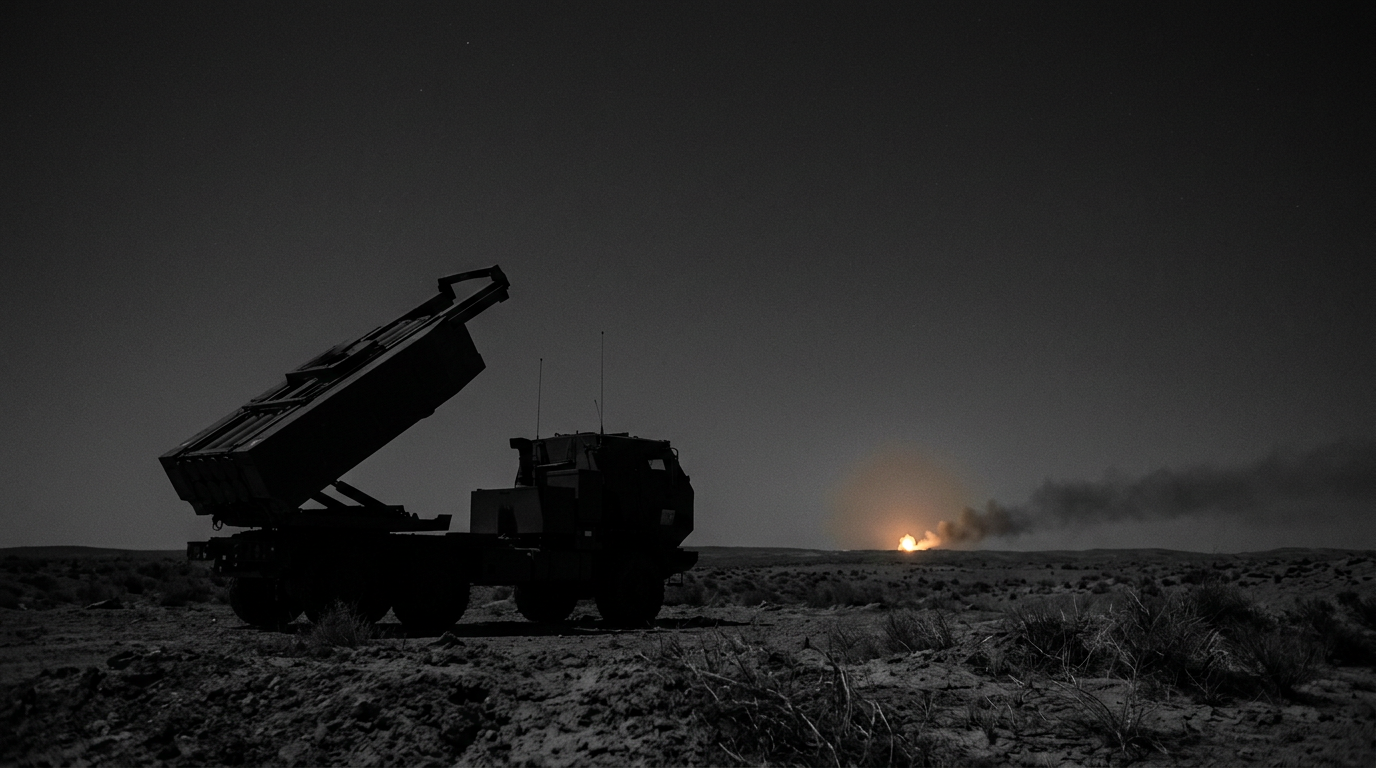
The United States military conducted a series of new strikes against military installations situated along Iran’s southern coast on September 1, according to officials. This action was swiftly followed by a retaliatory response from Tehran, which involved launching missile and drone attacks directed at sites within Jordan and Bahrain.
This exchange marks a significant widening of the conflict's geographical scope, extending beyond Iranian territory to encompass two additional nations in the Middle East. Financial and commodity markets, including major rates and currencies, are currently awaiting further developments as traders evaluate whether this confrontation will escalate beyond these immediate military targets.
Escalation Dynamics and Regional Impact
Officials confirmed that the US strikes targeted military facilities on Iran's southern coastline, though specific details regarding the number of targets hit or the extent of damage were not immediately provided. The Iranian counter-actions, involving missiles and drones, were reported to have struck locations in both Jordan and Bahrain, as stated by various officials.
The involvement of Jordan and Bahrain in these exchanges introduces new complexities to an already volatile regional situation. This expansion of hostilities raises concerns about the potential for broader instability across the Middle East, impacting various geopolitical and economic factors.
Potential Economic and Market Repercussions
The broader macroeconomic implications of such an escalation primarily involve energy markets, shipping routes, demand for haven currencies, and defense sector exposures. While confirmed asset movements were not immediately available at the time of publication, analysts are closely monitoring these channels for any shifts. Companies with personnel, logistics, insurance, or supply chain operations exposed to the affected countries would likely experience the initial impacts.
Sectors such as airlines, energy producers, and shipping companies could face immediate operational reviews if governments decide to tighten airspace regulations, port security, or base access. Defense contractors might also see increased activity or reassessments of their operational environments. The critical factor for the coming period, specifically looking towards September 2, 2026, will be how official statements frame these events: whether they are portrayed as an isolated incident or the precursor to a more extensive campaign.
Should the containment of these actions hold, macro spillovers could be limited. However, if further strikes or retaliations occur, companies might need to adjust their risk controls, and sector pricing could see changes driven by elevated security costs, fuel prices, and insurance premiums. The trajectory of events will heavily depend on diplomatic efforts and the restraint exercised by all parties involved.