US and Iran Exchange Strikes Amid Escalation Fears
The U.S. military launched strikes against targets in Iran, with Tehran responding in kind, marking a new escalation after six months of intermittent…
Mateo Fernandez ·
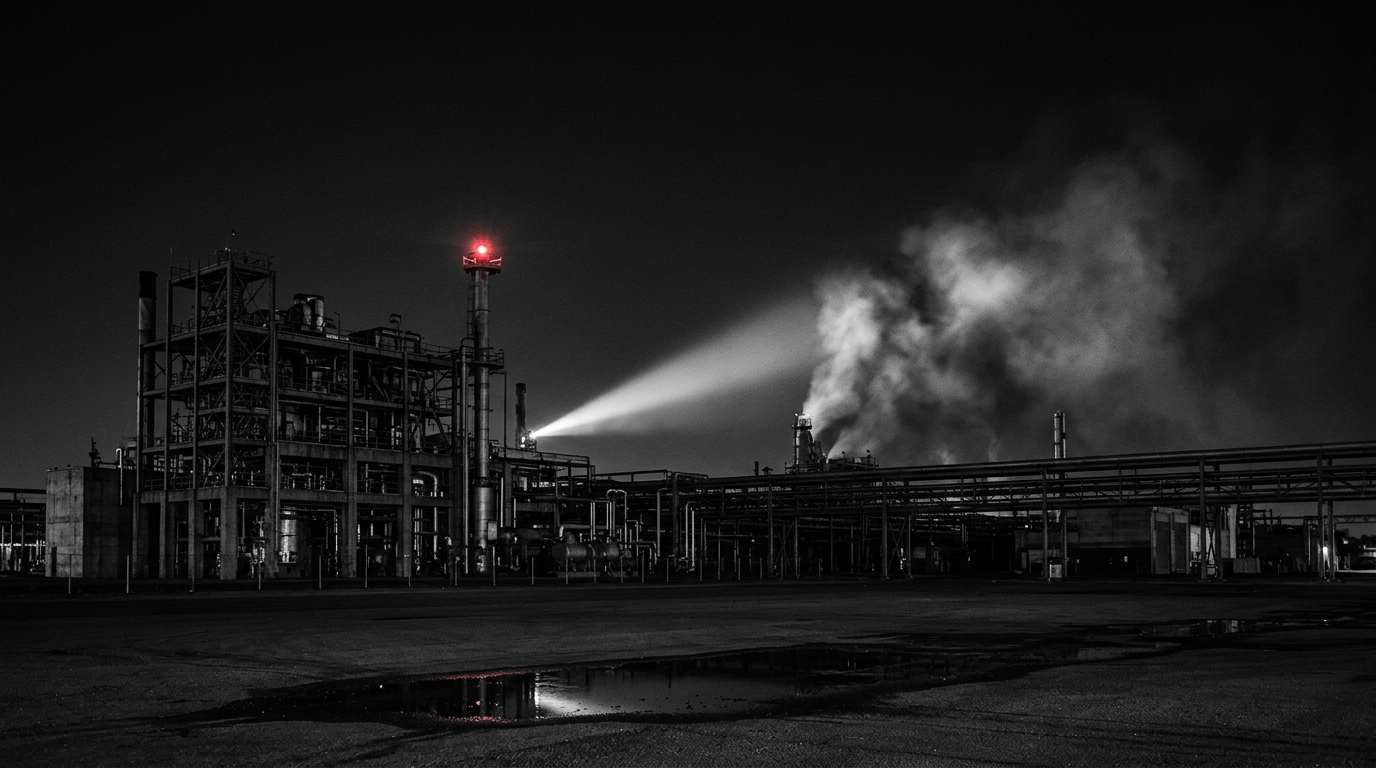
The United States military conducted strikes against locations within Iran on Tuesday, prompting retaliatory missile and drone launches from Tehran, according to officials. This exchange signals a renewed escalation in direct military confrontation, following over six months of sporadic hostilities between the two nations.
Authorities have not yet released specific details regarding the targeted sites, any resulting casualties, or a comprehensive assessment of the damage incurred by either side. The immediate concern centers on whether these actions will remain a confined military exchange or initiate a broader, more sustained cycle of retaliation, potentially impacting Gulf security, energy transport, and regional air defense systems.
Regional Escalation Concerns The core question for observers is whether both Washington and Tehran will restrict their actions to military objectives and avoid signaling an intent to broaden the conflict.
If the confrontation remains contained, the primary macroeconomic effects are anticipated to manifest in global risk appetite, crude oil pricing, and demand for safe-haven assets, rather than disrupting international trade flows directly.
However, the dynamic would shift significantly if attacks were to extend to critical energy infrastructure, international shipping lanes, or allied military bases. Such developments could lead to increased insurance costs for maritime transport, necessitate rerouting of cargo, and potentially disrupt global supply chains. These disruptions would likely exert upward pressure on fuel prices and complicate inflation trajectories for major importing economies worldwide.
Operational Risks and Market Implications
For the U.S. military, the paramount operational challenge lies in managing escalation effectively. This involves safeguarding personnel and regional partners while rigorously avoiding an expansion into a wider, more entrenched regional campaign. The strategic implications for defense and energy industries hinge on the governmental response.
Should governments transition from an emergency stance to long-term planning for sustained procurement, logistics, and supply security, these sectors could see significant shifts. Analysts will closely monitor the situation through September 2, 2026, awaiting further official reports of strikes, damage assessments, or any announcements regarding diplomatic engagements aimed at de-escalation.
The current exchange brings Washington and Tehran into a direct military standoff, a channel of conflict known for its potential to rapidly draw in broader regional security elements. This volatile situation underscores the persistent tensions in the Middle East and the delicate balance required to prevent wider destabilization.