US strikes Iran as oil rises on Gulf escalation
US air strikes on Iran and a renewed port blockade lifted oil prices as the IRGC claimed attacks on US military sites in the Gulf.
Mateo Fernandez ·
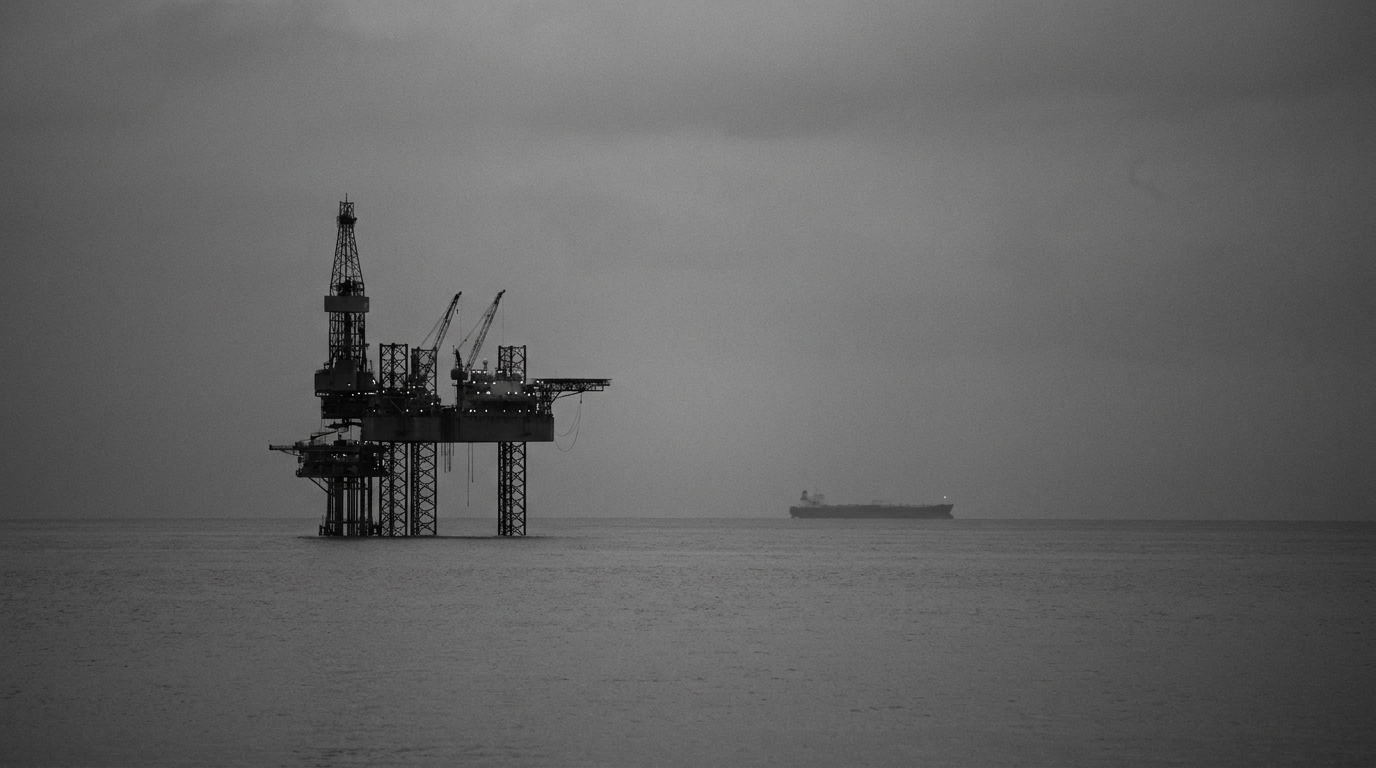
The US carried out air strikes on Iran on July 15 and renewed a blockade on Iranian ports, officials said, widening a confrontation that immediately fed into energy markets. Oil prices rose after the reported military action, though exact moves were not provided.
The IRGC claimed it had struck US military sites in the Gulf. That claim was not independently verified in the available payload, and no casualty figures, target list or formal US damage assessment was provided.
Gulf bases and Iranian ports
The military axis matters because the Gulf is central to global crude and refined fuel flows. A blockade aimed at Iranian ports could tighten supply expectations even before confirmed physical disruption, as traders price in higher shipping risk, insurance costs and the chance of retaliation near regional military assets.
For Washington, the immediate company-level effect is less direct than
in an earnings story, but energy producers, refiners, airlines and shipping firms are exposed through fuel costs and route risk.
If the blockade holds without broader retaliation, oil markets may price
a contained geopolitical premium. If attacks on US sites are confirmed and followed by further strikes, the premium could spread into freight, inflation expectations and safe-haven demand.
The wider industry risk is a feedback loop: higher crude raises input costs, which can pressure transport margins and complicate central-bank inflation paths. The next 24 hours on July 15–16 will be critical for confirmation of damage, any US military response and whether shipping through the Gulf faces operational disruption.