US strikes Iran as Hormuz crisis jolts Gulf
Officials said 90 American strikes hit Iran as the Hormuz crisis deepened and Gulf states braced for wider conflict.
Mateo Fernandez ·
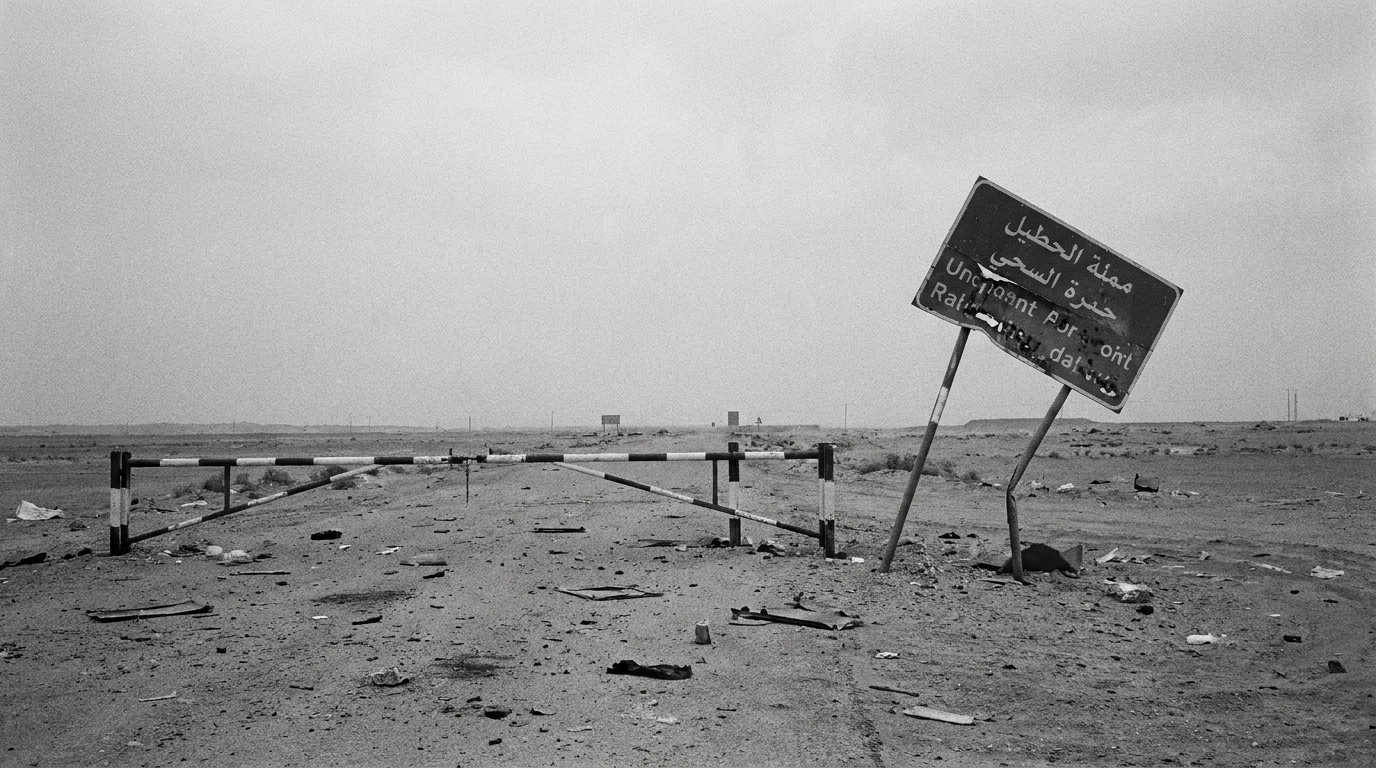
Officials said US forces carried out 90 strikes against Iran on July 9, 2026, reigniting direct conflict and pushing the Strait of Hormuz back to the center of global risk pricing. Reaction pending. The immediate concern is whether Iran answers in a way that threatens shipping, energy infrastructure or US-linked assets across the Gulf.
The scale of the strikes matters because the confrontation is no longer confined to proxy pressure or limited exchanges. A direct US campaign inside Iran raises the chance of retaliation across multiple channels: missiles, drones, cyber operations, maritime disruption or attacks on regional facilities.
Hormuz risk moves to center
The Strait of Hormuz is the critical pressure point because it links Gulf producers to global energy markets. Any disruption there would force traders to price a higher risk premium into crude, shipping insurance and regional credit, even before any physical supply loss is confirmed.
For Gulf governments, the policy problem is containment. They need to protect energy exports and commercial hubs while avoiding steps that make them appear to be direct combatants. For Washington and Tehran, the next phase depends on whether retaliation is calibrated or designed to widen the conflict.
If the exchange stays contained, the macro effect is likely to run through oil volatility, safe-haven demand and regional risk premiums. If shipping lanes are threatened, the shock would move faster into inflation expectations, central-bank calculations and global growth assumptions.
By July 10, 2026, markets will be looking for three signals: Iranian retaliation, US follow-on military orders and any Gulf shipping advisories that point to a higher threat level.