US Strikes Iranian Targets Near Crucial Strait of Hormuz
US forces conducted strikes against Iranian targets near the Strait of Hormuz on September 1, raising concerns about energy security.
Mateo Fernandez ·
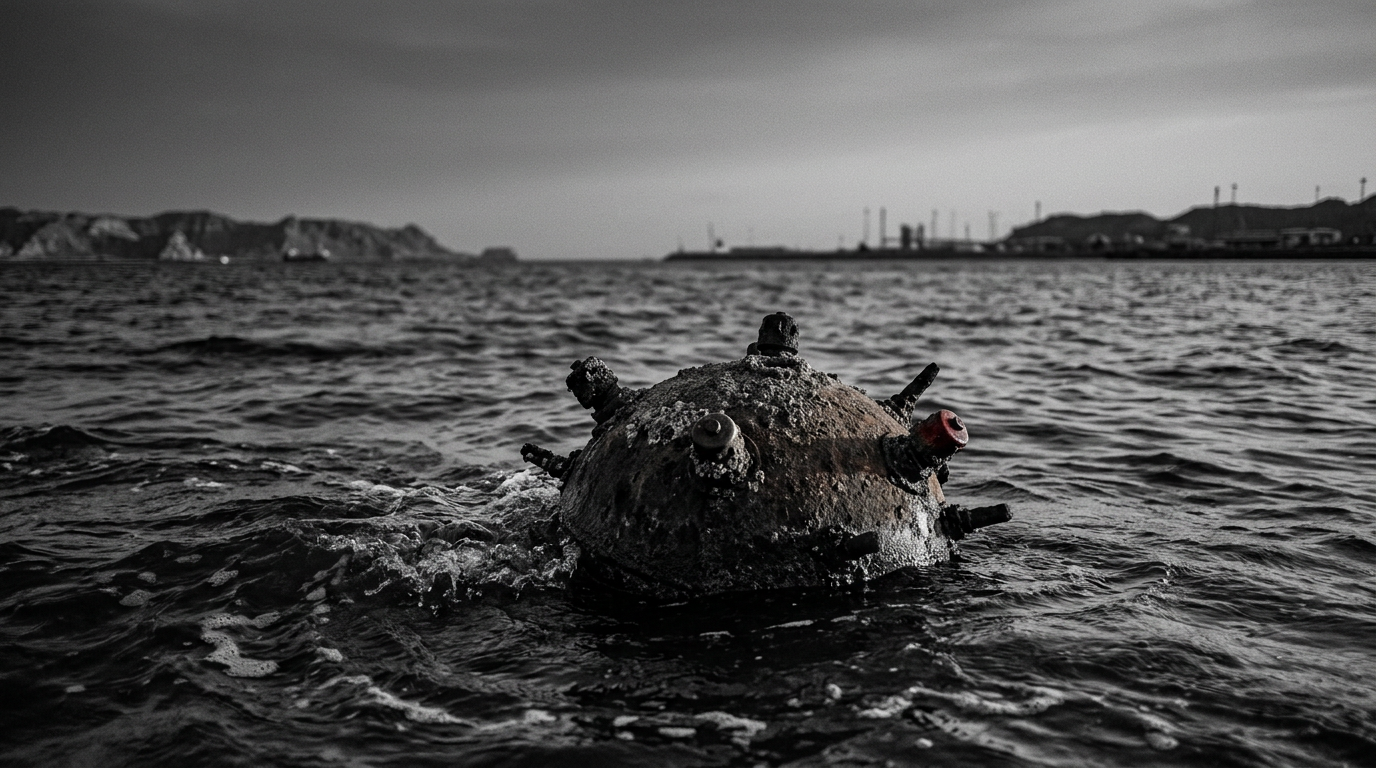
United States officials confirmed that American forces carried out military strikes against Iranian targets in the vicinity of the Strait of Hormuz on September 1. This action initiates a new phase of military engagement close to a critical global energy chokepoint.
The US Air Force executed these operations following a presidential directive from President Trump, who had indicated that the United States would target Iranian assets. While the strikes were confirmed, official statements did not include details regarding potential casualties, the specific locations hit, or an assessment of the damage inflicted.
Strategic Significance of Hormuz
The Strait of Hormuz serves as a vital maritime passage connecting major Gulf oil producers to international oil markets. Any military activity or escalation in this area directly impacts global energy security, shipping insurance costs, and regional defense strategies.
Should commercial traffic continue unimpeded through the strait, the immediate economic impact might be limited to an increased geopolitical risk premium in oil prices and a preference for safe-haven assets. However, a different scenario emerges if Iran or its allied groups respond by targeting shipping, military bases, or energy infrastructure. Such actions could lead to higher freight and insurance expenses, subsequently influencing crude oil prices, inflation expectations, and central bank interest rate policies.
Immediate Implications and Market Response
For the United States, a key operational question is whether these strikes will remain isolated incidents or evolve into a broader military campaign. The initial test of this situation is expected within the next 24 hours, extending through September 2, as officials are anticipated to provide further clarity on the targets. Simultaneously, energy markets globally, spanning Asian, European, and US trading sessions, will begin to price in the newly introduced risks.
The broader international community will closely monitor the situation for any official reactions or retaliatory measures from Iran. The stability of the Strait of Hormuz is paramount for global economic activities, given its role in facilitating a significant portion of the world's oil trade.
Potential Economic Ramifications
Escalations in the region typically result in increased volatility across various financial markets, particularly in crude oil futures. Oil tankers traversing the narrow strait could face heightened risks, driving up operational costs for shipping companies and ultimately affecting consumer prices globally. International diplomacy is expected to intensify as nations seek to de-escalate tensions and safeguard critical trade routes.