US Marines Use FPV Suicide Drones Near Korea DMZ
On August 5, the U.S. Marine Corps held live-fire drills in South Korea near the DMZ using FPV suicide drones, marking a first for the area.
Atlas Newsdesk ·
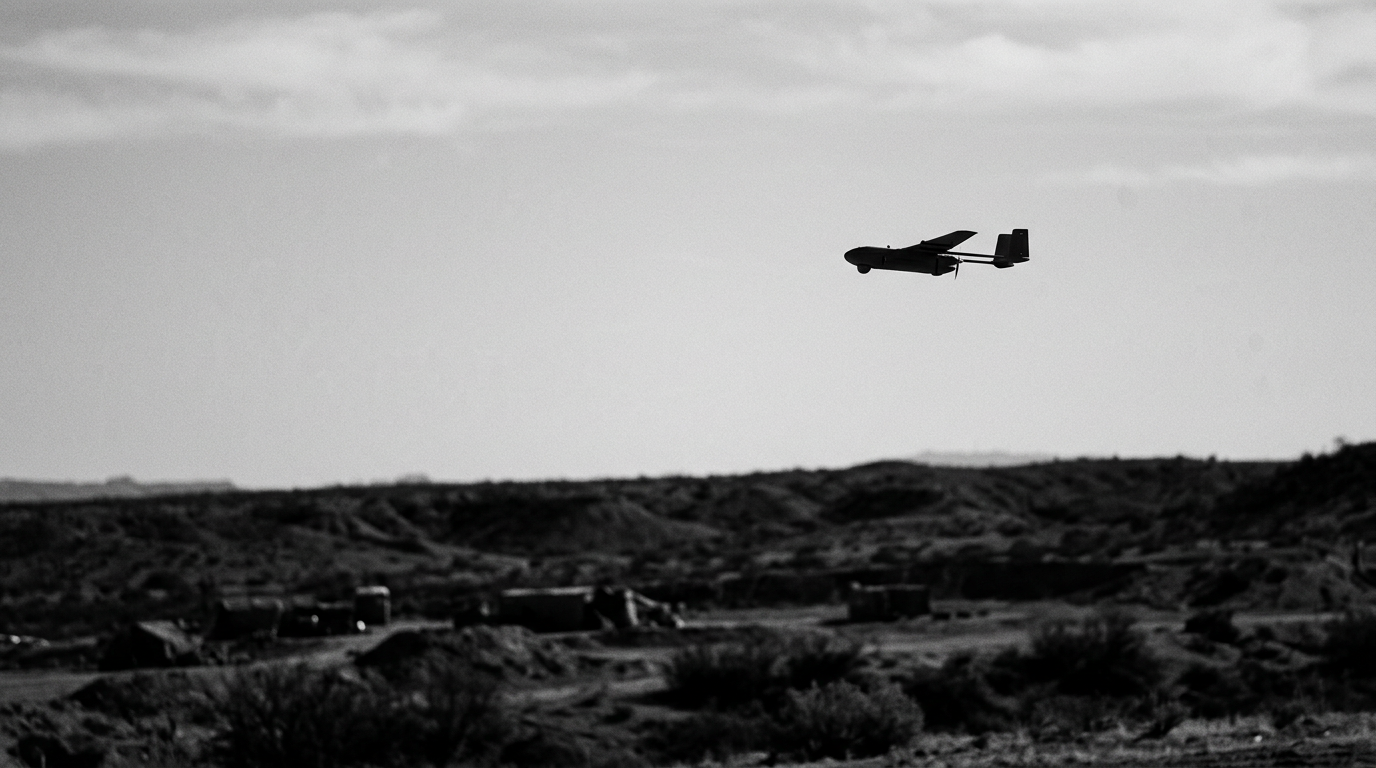
The U.S. Marine Corps carried out live-fire training near the Demilitarized Zone (DMZ) in South Korea on August 5, using first-person view (FPV) suicide drones in an exercise setting, officials said. The drills employed the Neros Archer unmanned system to strike armored vehicles and mock enemy positions, marking the first time this type of capability has been used in that area.
According to officials, the event reflects a wider effort by the Pentagon to improve combat readiness while accelerating the operational use of advanced unmanned systems in the Pacific theater. The training was framed as part of a broader shift toward integrating newer technologies into routine exercises, rather than treating them as limited trials.
Neros Archer live-fire drills near the DMZ
Officials said the Marines used the Neros Archer platform in scenarios designed to replicate the pressures of a contested environment. Targets included armored vehicles and simulated enemy positions, indicating a focus on precision strike roles for small, expendable unmanned systems.
The Marine Corps described the activity as live-fire, underscoring that the drones were used in an operational training context rather than only in classroom or laboratory conditions. The location near the DMZ added geographic sensitivity to the test, given the long-standing military standoff on the Korean Peninsula.
Other U.S. force moves on the peninsula
The exercises came as the U.S. Air Force has taken steps that also emphasize unmanned and forward-positioned capabilities, officials said. Those steps include permanently basing MQ-9 Reaper drones and shifting fighter squadrons closer to the North Korean border.
Officials also said combined training between U.S. and South Korean forces has broadened to incorporate chemical, biological, radiological, and nuclear response protocols. The expanded scope suggests planning that extends beyond conventional strike-and-defense scenarios to include crisis response under hazardous conditions.
Technology integration and the evolving posture
Together, the Marine Corps drone drills, Air Force basing decisions, and widened joint training point to a more proactive and technology-integrated defense posture, according to officials. In practical terms, the steps indicate an attempt to make unmanned systems and specialized response planning more central to day-to-day readiness on the peninsula.
Officials linked the overall direction to rising regional security concerns, while not detailing any single triggering event. How quickly these initiatives expand, and whether additional unmanned platforms or training elements are added, remains unclear based on the information released.