Isfahan Strike Kills 15 Amid Escalating Iran Conflict
A missile strike in Isfahan, Iran, killed 15 people, escalating a conflict that has caused 1,444 fatalities and damaged cultural sites.
Lauren Collins ·
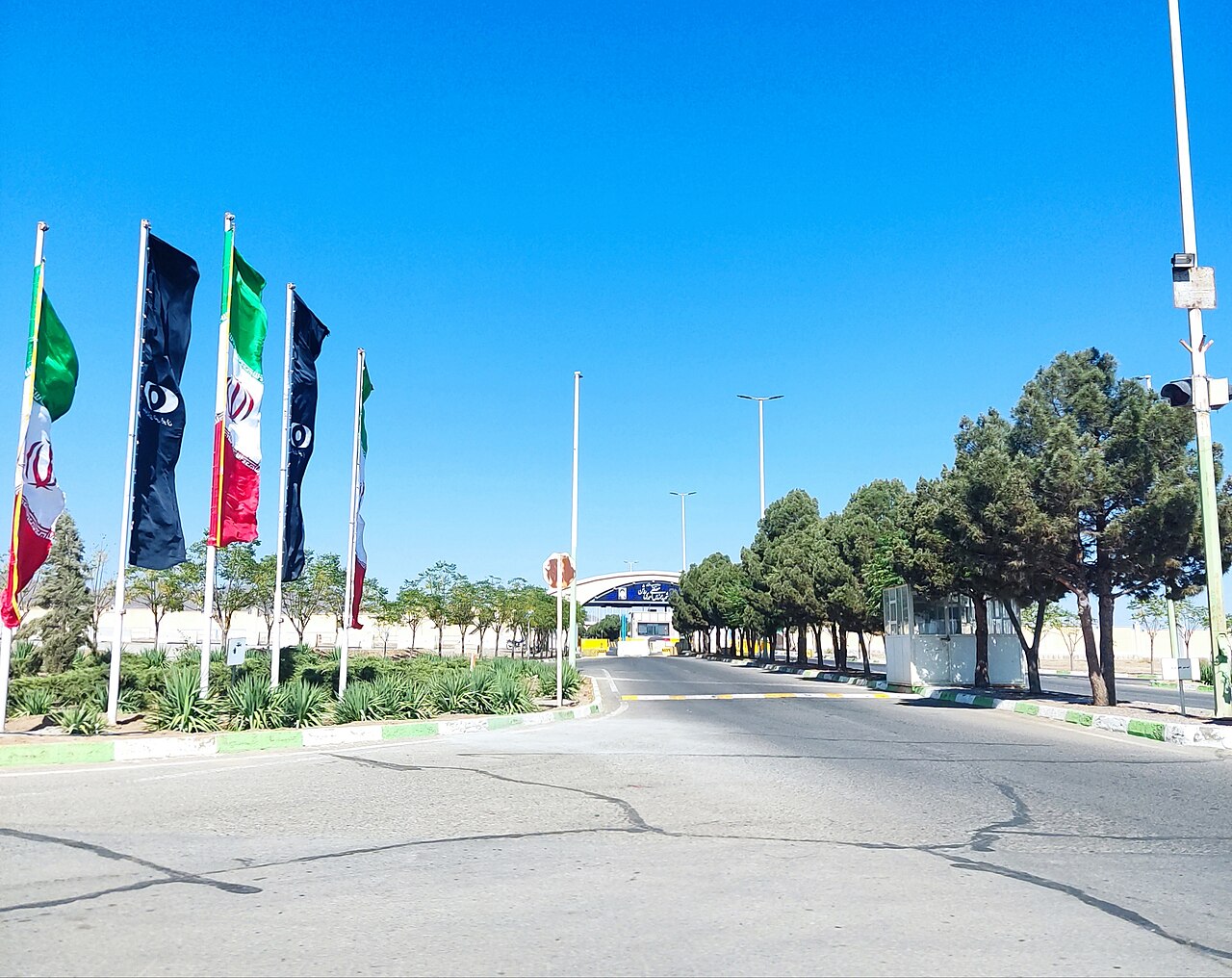
A missile strike in Isfahan, Iran, on Saturday, March 14, 2026, resulted in the deaths of at least 15 individuals within an industrial zone. Iranian state media attributed the attack to U.S. and Israeli forces, stating the target was a facility manufacturing heating and cooling systems. This incident marks a significant escalation in a conflict that commenced on February 28, contributing to a rising casualty count across the region.
This recent strike occurred on the fifteenth day of hostilities, which have already claimed 1,444 lives and caused over 18,500 injuries. The broader conflict has also inflicted damage on Iran's cultural infrastructure, with the Ministry of Culture reporting harm to 56 museums and historical sites. Among these are four of Iran's 29 UNESCO World Heritage Sites, highlighting the widespread impact of the ongoing military actions.
Escalation and Diplomatic Standoff
Earlier in the conflict, specifically on March 8, the Russian consulate in Isfahan sustained damage from shelling, indicating the widening scope of targets. Separately, Brigadier General Abdullah Jalali-Nasab was killed in another Israeli operation on the same Saturday as the Isfahan industrial strike. U.S. forces also reportedly targeted Kharg Island, a critical oil export terminal, though operations there were said to continue without reported casualties.
Regional Military Actions
Following the Isfahan attack, Iran launched new missile salvos against Israel. Six waves of missiles struck various locations, causing injuries to three people in Eilat. This retaliatory action underscores the tit-for-tat nature of the current hostilities and the immediate response capabilities of both sides.
Stalled Negotiations and Future Outlook
Prospects for de-escalation through diplomatic channels appear dim. Both the United States and Iran have publicly dismissed the possibility of negotiations. S. administration remains focused on its current operational objectives. Concurrently, an Iranian official stated that Iran would not engage in talks while under attack.
Israeli Minister of Defence Israel Katz declared that the conflict was entering a "decisive phase," suggesting an intensification of military efforts rather than a move towards resolution.
This ongoing conflict, characterized by targeted strikes and retaliatory actions, continues to destabilize the region. The destruction of civilian infrastructure and cultural heritage sites, alongside military casualties, points to a protracted and complex situation with significant humanitarian and geopolitical implications. The lack of willingness from key actors to engage in dialogue further complicates any immediate path to peace.
Implications
Country Impact: Iran faces significant internal challenges from infrastructure damage and military casualties, potentially increasing domestic instability. Israel continues to manage security threats from missile attacks, impacting civilian safety and national resources.
Industry Impact: The targeting of industrial facilities and oil terminals, such as Kharg Island, poses risks to global supply chains and energy markets. Damage to manufacturing capabilities could disrupt regional economic activity and trade flows.
Market Impact: Increased geopolitical tensions in the Middle East typically lead to higher oil prices due to supply concerns. Global equities may experience volatility, and safe-haven assets like gold and government bonds could see increased demand.