US Strikes Kill 11 in Iran as Gulf Warfare Escalates
Tensions between the US and Iran heightened on September 2 after reports of reciprocal strikes across the Gulf region, raising concerns over broader conflict.
Mateo Fernandez ·
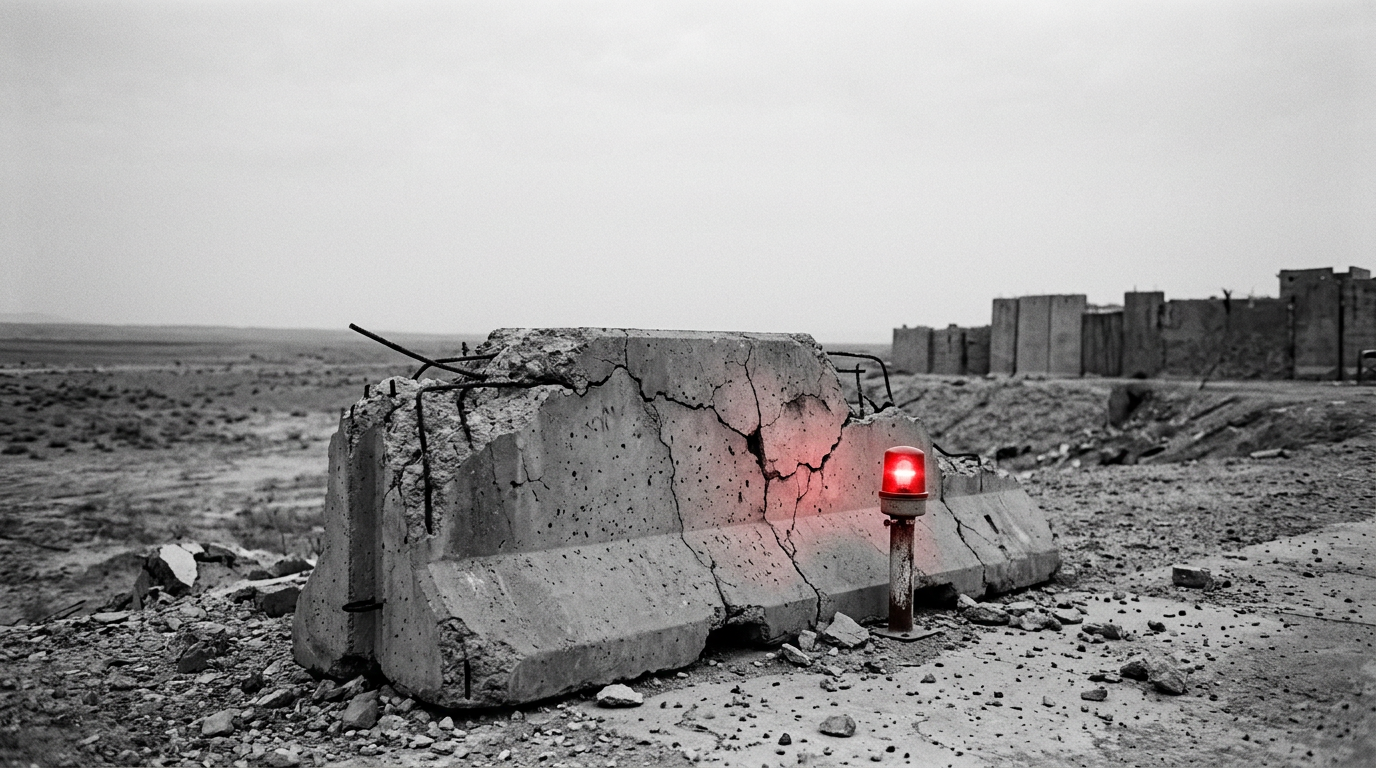
Tensions between the United States and Iran significantly escalated on September 2 following reports of military actions by both sides across the broader Gulf region. Initial accounts suggested US strikes resulted in 11 fatalities in Iran, with four individuals reportedly killed during a wedding celebration. Concurrently, Tehran was said to have targeted sites in Jordan, Iraq, and Bahrain, potentially broadening the scope of the regional conflict.
Adding to the day's reported military activity, Kuwait also indicated it experienced missile and drone attacks, marking a fourth location tied to the Gulf region. These developments place host governments in the area under increased pressure to balance their security partnerships with the US while attempting to limit their direct exposure to potential retaliation.
Regional Military Posture Shifts
The reported sequence of events suggests a shift in the regional military landscape. United States President Trump had previously threatened more severe attacks following alleged Iranian strikes on US-linked bases and other targets in allied nations. This tit-for-tat exchange highlights the complex challenge for regional states hosting US military assets, as they must manage logistics, base access, and air defense capabilities in an environment of heightened risk.
The immediate impact on global markets is primarily driven by an increase in geopolitical risk rather than confirmed disruptions to supply chains. Should the fighting remain confined to military objectives, market effects are likely to manifest through elevated oil risk premiums, increased demand for safe-haven assets, and downward pressure on regional equities.
Potential Economic and Strategic Fallout
However, if military actions were to extend to critical energy infrastructure or vital shipping lanes, the market reaction mechanism would shift dramatically. This would likely trigger concerns over physical supply shortages and a significant increase in insurance costs for transit. The defense and energy sectors could also see increased demand for various assets, including interceptor systems, surveillance technologies, shipping protection measures, and fuel hedges, should the current exchange continue.
The diplomatic responses anticipated on September 2 from the White House, Tehran, and various Gulf governments will be crucial in shaping future events. These statements will indicate whether the involved parties view the recent attacks as limited retaliatory measures or if they are preparing for further actions within the coming 24 hours, which could define the immediate trajectory of this escalating situation.