US-Iran Talks Impact Oil Market Volatility
Oil prices experienced a slight downturn from recent gains amid evolving discussions between the US and Iran, impacting the critical Strait of Hormuz.
Amira Hassan ·
Geopolitical Tensions Influence Oil Markets
Global oil prices registered a modest decline after several days of gains, influenced by ongoing diplomatic efforts concerning regional stability. West Texas Intermediate (WTI) traded near $95 a barrel, while Brent settled around $98. This dip follows reports from the US State Department indicating a potential ceasefire agreement between Israel and Lebanon, which could alleviate a key diplomatic obstacle in broader US-Iran negotiations.
The proposed ceasefire hinges on the complete cessation of Hezbollah's activity and their removal from the South Litani Sector. Such an agreement could pave the way for progress in discussions between Washington and Tehran, particularly concerning the extension of a fragile truce and the reopening of the Strait of Hormuz.
Strait of Hormuz Remains Critical Supply Chokepoint
Despite reports of a preliminary framework to prolong a truce by two months and normalize traffic through the Strait of Hormuz, negotiations between the US and Iran have faced hurdles. Tehran’s foreign minister, according to the semi-official Tasnim news agency, warned of potential targets inside Israel if attacks on Beirut persist, indicating sustained friction.
This geopolitical uncertainty directly impacts oil markets, given the Strait's role as a conduit for a significant portion of global crude.
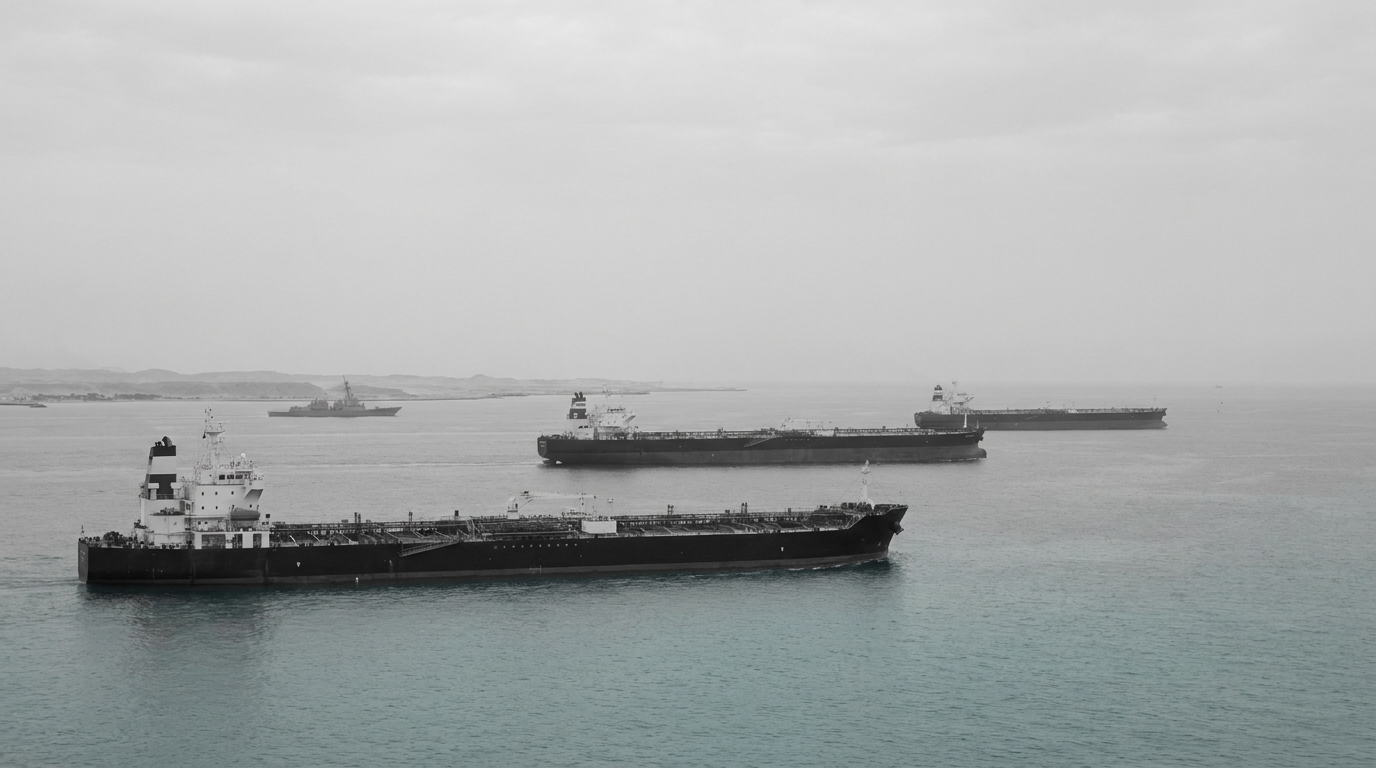
The Strait of Hormuz, through which approximately one-fifth of the world's crude oil passes, remains a central concern for the market. Its effective paralysis due to blockades by both Tehran and Washington has constrained vessel movements, contributing to elevated fuel prices globally.
US President Donald Trump stated that the Strait would reopen immediately upon Iran’s signing of a memorandum to cease hostilities, provided certain areas are cleared of mines, downplaying the threat to commercial shipping.
Supply Concerns and Domestic Political Landscape
The global oil supply balance is increasingly precarious, with recent data highlighting dwindling inventories. Crude stocks at Cushing, Oklahoma, a key delivery point for WTI, have fallen for a sixth consecutive week, approaching minimum operational levels. This tightening supply cushion amplifies market sensitivity to geopolitical developments, especially those affecting major shipping routes.
Domestically, US political sentiment also reflects growing concerns over the conflict. The Republican-led House of Representatives recently voted to halt US military involvement with Iran. Although this resolution faces further legislative hurdles in the Senate and is subject to legal interpretation under the 1973 War Powers Act, it signals a spreading apprehension regarding the conflict just months before congressional elections.