China weighs radar systems for Iran, US intelligence says
China weighs radar systems for Iran, U.S. intelligence says, citing DIA assessments and separate Pentagon and 2026 threat assessment references.
Lauren Collins ·
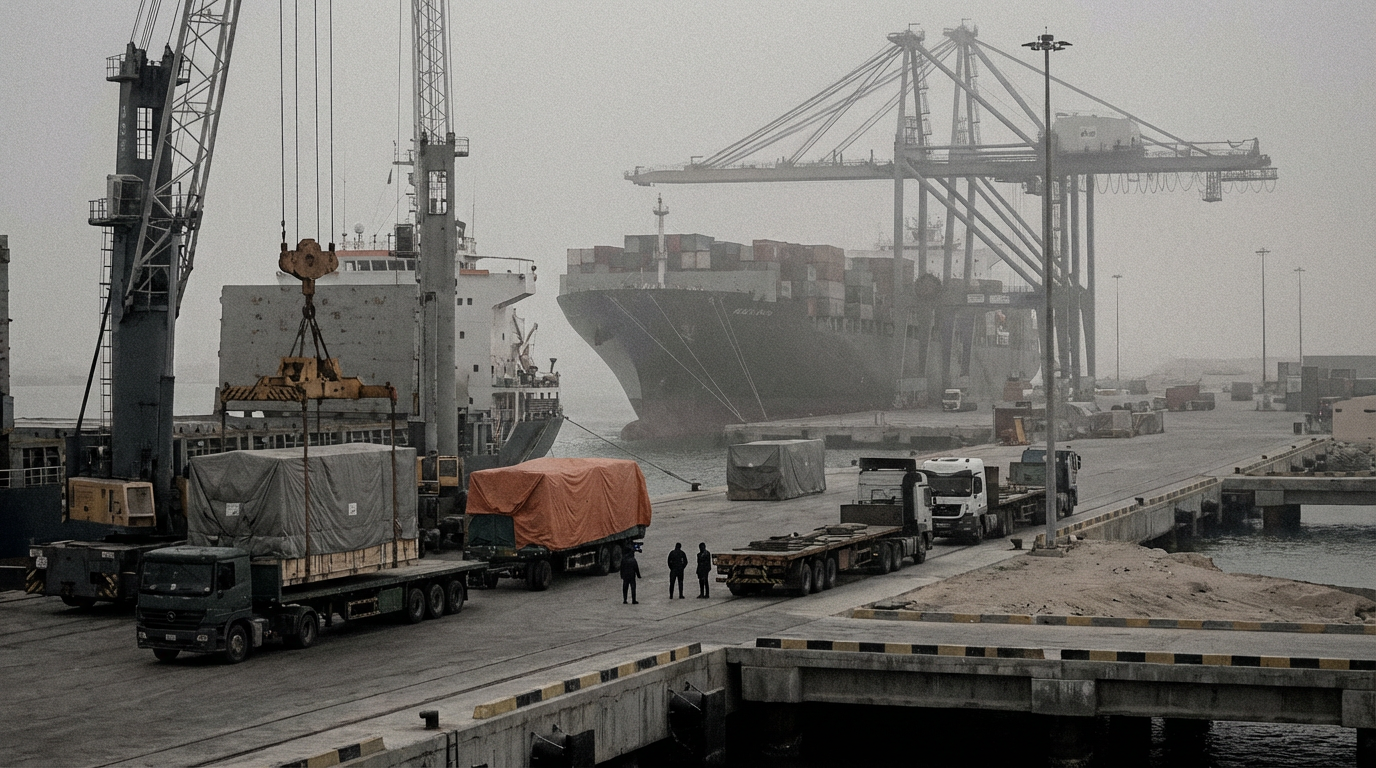
U.S. intelligence agencies have detected indications that China considered supplying advanced radar systems to Iran after the start of the U.S.-Israel led conflict with Iran last month, according to officials familiar with the assessment.
Analysts at the Defense Intelligence Agency (DIA) assessed that Beijing was deliberating a transfer of X-band radar systems . Officials said such systems would improve Iran’s ability to detect and track incoming threats, including low-flying drones and cruise missiles, by strengthening early warning and targeting awareness.
The assessment surfaced as Washington weighs broader concerns about potential coordination among powers seeking to counterbalance U.S. influence in the Middle East. U.S. officials said the reported deliberations, even without confirmed delivery, were viewed as a signal that global competitors may be prepared to provide Iran with critical support while stopping short of direct military involvement.
Officials emphasized that it remains unconfirmed whether China proceeded with any transfer. The intelligence finding, as described by U.S. officials, focused on indications of consideration and internal deliberation rather than verified shipment or deployment.
Separately, a December 2024 Pentagon report said Chinese commercial satellite companies had engaged in business exchanges with Iran’s Islamic Revolutionary Guard Corps . U.S. intelligence also suggests Iran has used satellite imagery provided by China, including during the ongoing conflict involving Israel and U.S. forces, according to officials.
In addition, the 2026 Annual Threat Assessment warned that China is rapidly advancing its space-based capabilities, which the assessment said positions Beijing to challenge U.S. military and technological superiority. U.S. officials cited that warning as part of a wider picture in which space-enabled services and sensing technologies can have direct relevance for modern military operations.
For markets and policymakers, the reported radar deliberations and the satellite-related findings sit at the intersection of security competition and technology supply chains. Officials framed the issue as one that could influence regional military balances and shape how governments evaluate commercial and dual-use technology links across borders.
Key uncertainties remain, including whether any radar transfer occurred, what the scope of any potential support would be, and how quickly such capabilities could be integrated if provided. U.S. officials said the intelligence picture is based on detected indications and assessments, underscoring that confirmation of execution was not established in the information described.