US sets 15% tariff on polysilicon imports
US sets a 15% tariff and import price floors on polysilicon from Aug. 7, 2026; details and exemptions are still pending.
Mateo Fernandez ·
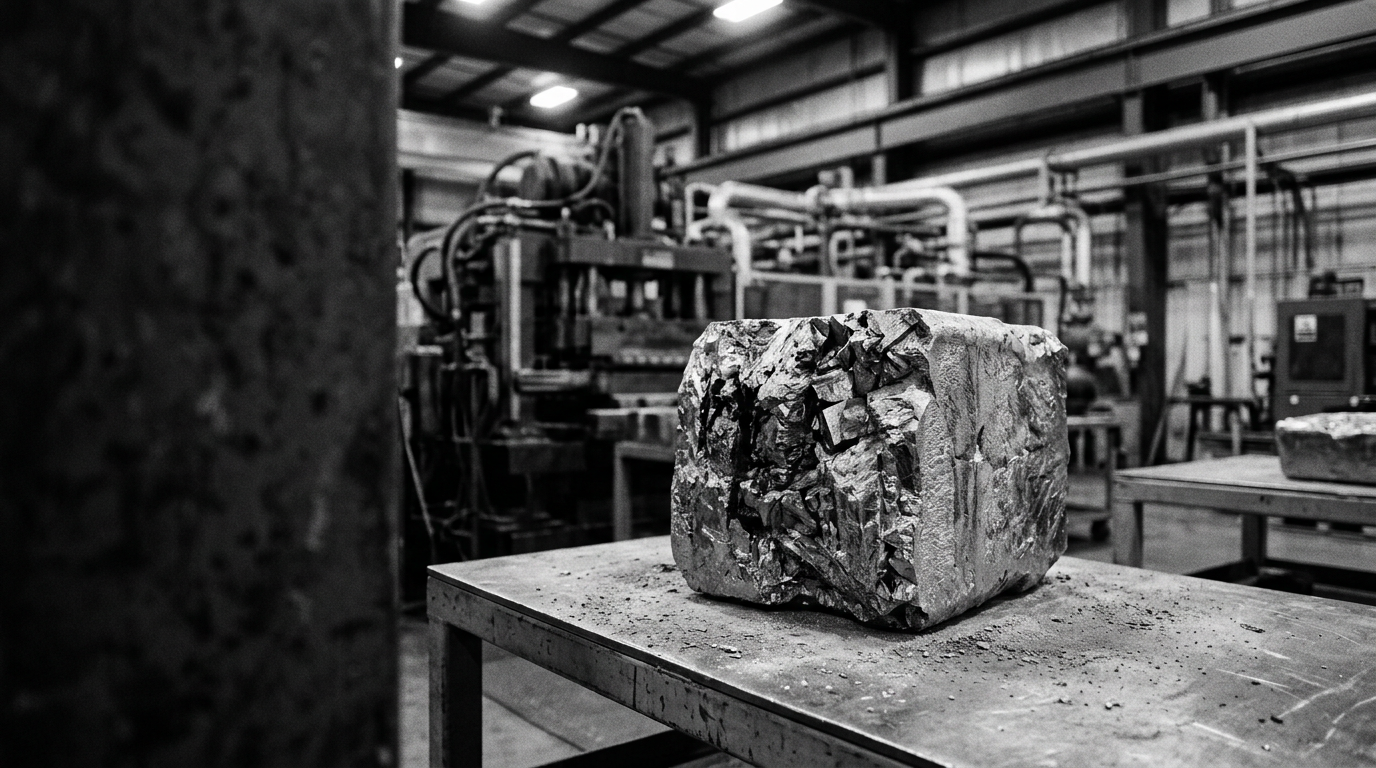
President Trump ordered a 15% tariff and import price floors on polysilicon on August 7, 2026, officials said, outlining a new trade measure tied to supply-chain security objectives. The White House presented the step as part of broader efforts to respond to strategic competition with China, officials said.
Polysilicon is a key raw material used to produce semiconductor wafers and solar panels. Officials said the action is intended to reduce US exposure to a small set of foreign suppliers, describing the measure as a push to strengthen domestic resilience.
How the tariff and price floors could affect costs Officials said the tariff applies to polysilicon imports Officials said the tariff applies to polysilicon imports and is paired with import price floors. If applied as described, the combination would increase the landed cost for US buyers bringing polysilicon into the country. Higher import costs would likely translate into increased input expenses for wafer manufacturers and downstream chip producers, unless suppliers absorb the added burden or firms change how and where they source the material. Solar supply chains that use polysilicon as a feedstock could also face higher costs, given the material’s role in panel production. Officials did not provide immediate details on implementation. They also cautioned that administrative steps and exemptions could change how the measure affects specific companies.
Trade risks and the role of implementing rules Trading partners could respond with retaliatory duties Officials said the move increases trade and policy risks alongside its stated resilience goals. Trading partners could respond with retaliatory duties, or challenge the measure through legal channels at the World Trade Organization. Officials also pointed to potential operational responses by industry, with supply-chain managers potentially accelerating diversification away from single-country sourcing. In practice, the scale and speed of any shift would depend on how broadly the tariff is applied and what exemptions or carve-outs are included. Officials said markets and industry participants are watching for the implementing regulations that would clarify the tariff’s enforcement.
If the regulations are published within two weeks, by August 21, 2026, companies would have clearer guidance on tariff coverage, exemption rules, and timing—factors that would shape near-term cost pass-through and sourcing decisions. Industry reaction still developing Officials said reactions among chipmakers, solar producers, and trading partners were still pending as the announcement circulated. The next phase will hinge on whether the final rules confirm the tariff rate and price-floor mechanics as described, and how any exemptions are structured for particular firms or transactions.