US feared Israeli attacks on Iran negotiators
U.S. officials were reportedly concerned Israel could target senior Iranian figures during talks, risking a diplomatic rupture.
Mateo Fernandez ·
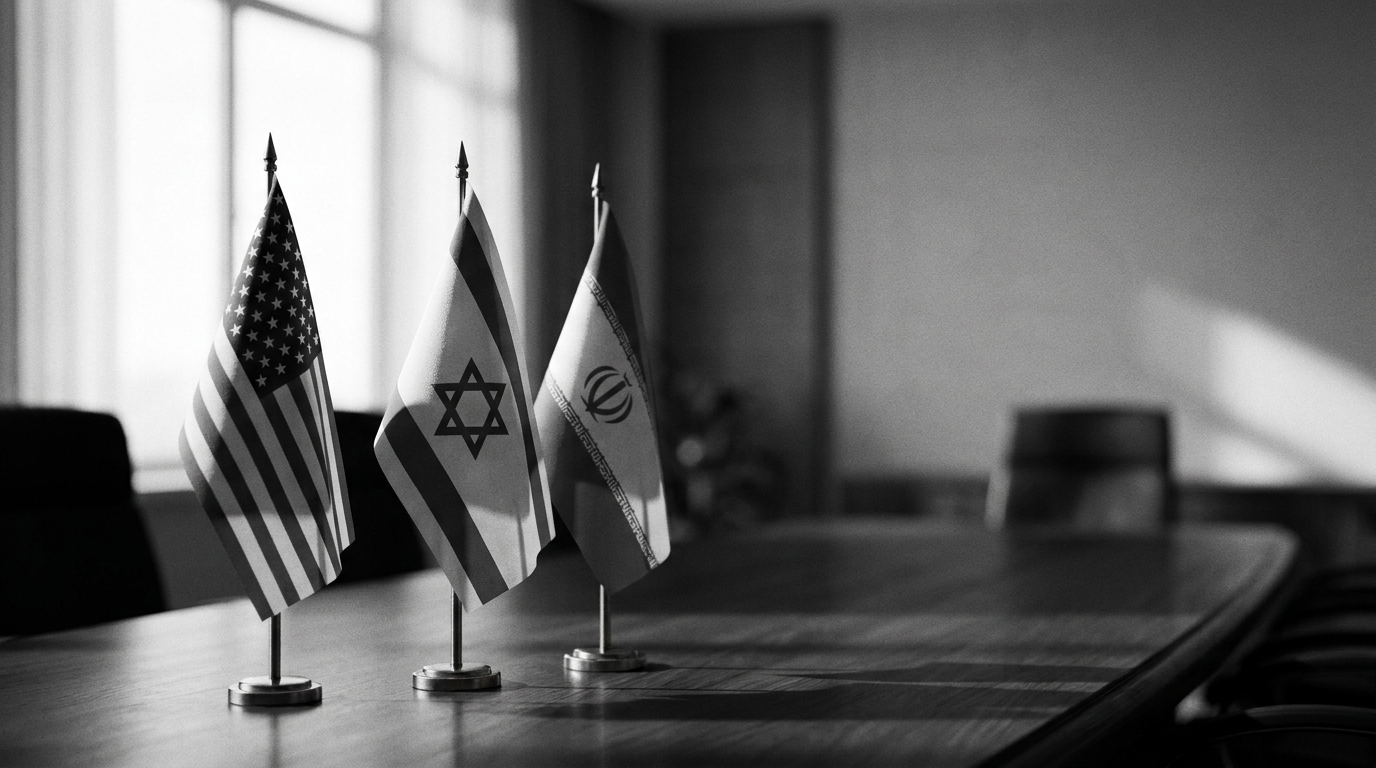
U.S. officials were concerned that Israel could target senior Iranian negotiators during talks with Washington, including Foreign Minister Abbas Araghchi and parliament speaker Mohammad Bagher Ghalibaf, reported accounts citing unnamed current and former American officials said Thursday. The concern centered on whether assassination attempts could derail a fragile diplomatic track between the U.S. and Iran.
The reported fears escalated during ceasefire negotiations that began in April. Officials said Washington asked regional governments to warn Iran that the two officials could be at risk, a step that pointed to unusually sharp unease inside the U.S. team over Israeli military intentions.
Iran negotiator safety strains talks
One reported episode involved Ghalibaf’s April trip to Islamabad for a meeting with U.S. Vice President JD Vance. Pakistani fighter jets escorted Iranian aircraft carrying a delegation of more than 70 people, and the return flight later made an emergency landing in Mashhad after Iranian security forces received intelligence that Israel planned to attack the plane.
The account adds pressure to an already strained U.S.-Israel alignment over Iran policy. President Donald Trump told reporters in late March, "They’ve wiped out everybody," suggesting Israel’s killing campaign had made it harder to find Iranian counterparts for negotiations.
For global markets, the immediate channel is geopolitical risk rather than hard data: a breakdown in U.S.-Iran talks could raise the probability of fresh regional military action, with energy, shipping and defense assets most exposed. If negotiations hold, pressure may ease on conflict-linked risk premiums; if they fail, Israel and Iran could move closer to another escalation cycle.
The next 72 hours will test whether either government issues a formal denial, security clarification or diplomatic signal that narrows the risk to the negotiating channel.