US expands Iran strikes as Hormuz standoff deepens
U.S. strikes targeted more bridges and collapsed a tower at a key Iranian port on the Gulf of Oman.
Mateo Fernandez ·
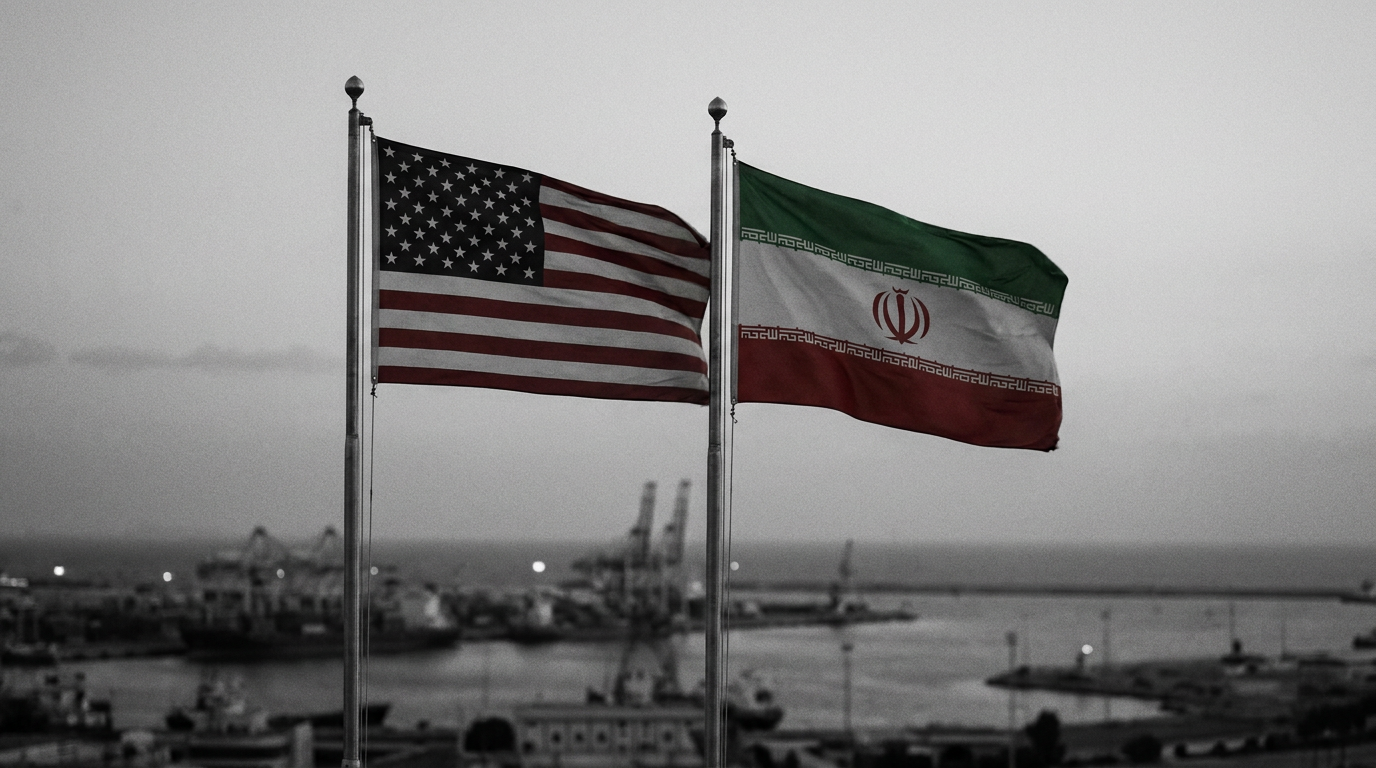
The U.S. expanded its campaign against Iran on Friday, targeting additional bridges and hitting a key Iranian port on the Gulf of Oman, where a strike collapsed a tower. The escalation adds pressure to an already tense standoff around the Strait of Hormuz, the narrow waterway central to Gulf energy flows.
Reaction pending. The immediate market risk is geopolitical rather than data-driven: any threat to shipping through the Gulf can quickly feed into oil pricing, freight costs and inflation expectations.
Hormuz pressure raises oil risk
The reported bridge strikes point to a campaign focused not only on military targets but also on transport links. Damage to bridges can slow troop movements, disrupt internal logistics and complicate repairs if the conflict widens.
The port strike carries a different signal. A collapsed tower at a Gulf of Oman facility puts attention on maritime infrastructure near the approach to the Strait of Hormuz, where shipping routes connect Gulf producers with global buyers.
For global markets, the main transmission channel is energy.
If the confrontation stays limited to fixed infrastructure, oil markets may price
in a security premium without a full supply shock.
If the standoff moves closer to shipping lanes, insurers, tanker operators
and buyers could respond before any physical disruption occurs.
For Washington, further strikes risk drawing a broader Iranian response. For Tehran, damage near a port and transport network raises pressure to show it can deter additional attacks. The next dated test is whether maritime authorities, energy traders or governments issue new Gulf security advisories by July 18, 2026.