US and Iran trade threats as ceasefire collapses
The former US president and Iran’s new supreme leader exchanged threats on July 11, 2026, as an interim ceasefire faltered and risk around oil prices rose.
Mateo Fernandez ·
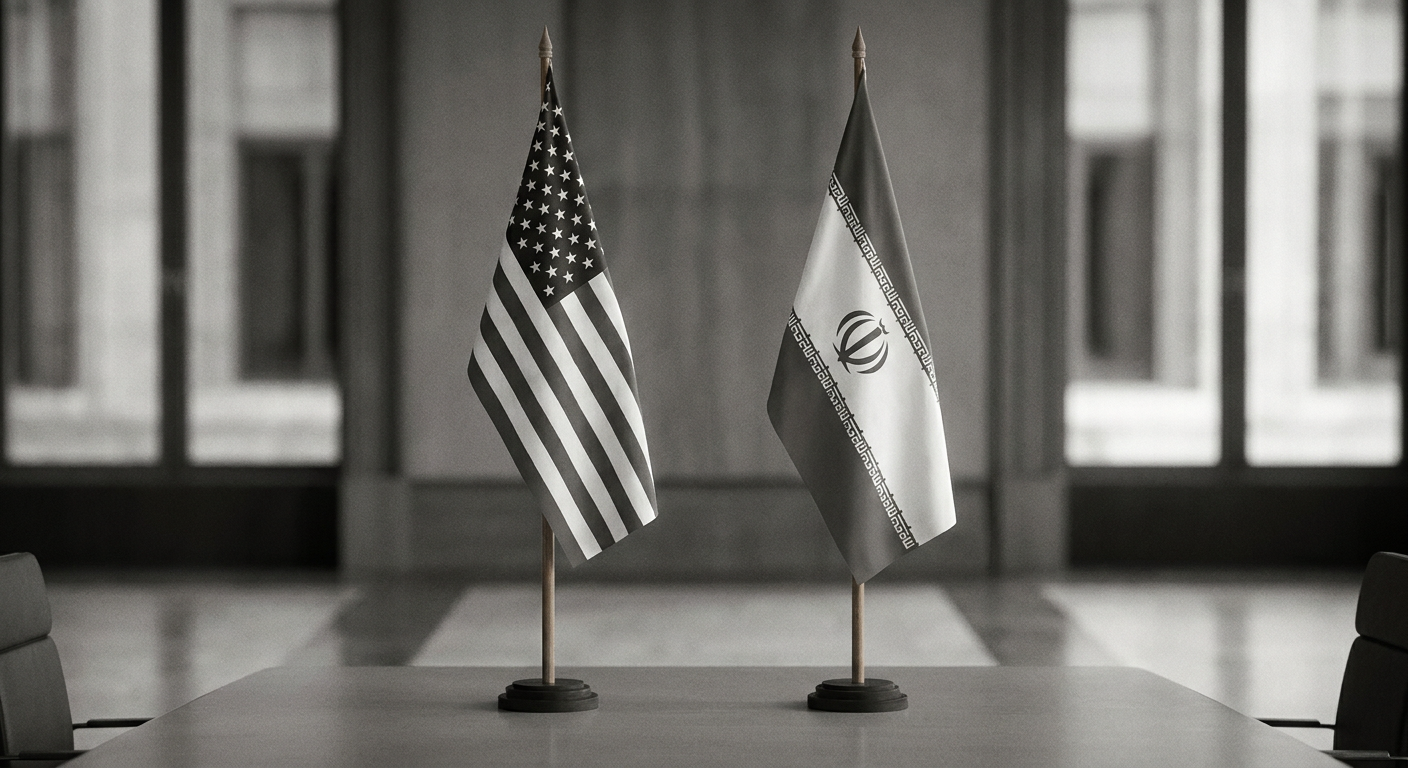
Former US president and Iran’s new supreme leader exchanged direct threats on July 11, 2026 as an interim agreement to halt hostilities began to unravel, officials said. Markets: Reaction pending.
Officials said the rhetoric escalated after what they described as renewed ceasefire violations; both sides blamed the other for failing to uphold terms of the interim deal. The officials did not provide a detailed timeline for the incidents cited.
Interim ceasefire shows strains
The interim agreement had been presented as a temporary measure to pause cross-border strikes and attacks linked to regional proxies. Officials said enforcement mechanisms were limited, which left compliance dependent on local commanders rather than a neutral verification system.
Energy and risk channels are the immediate transmission routes from the diplomatic breakdown to markets. Officials warned that renewed military activity or wider retaliation could put upward pressure on oil prices and tighten risk premia for emerging-market assets.
The most direct actors are the US political apparatus, Iran’s new leadership, and the regional groups aligned with Tehran; secondary impacts would hit global shipping, insurers, and commodity traders if violence widens. Officials said diplomatic backchannels remain open but fragile.
Expect new public statements and possible military posture changes by July 15, 2026; markets and policymakers will watch daily developments through that date for indications of escalation or de-escalation.