US and allied strategy for Greenland urged in Atlantic Council paper
A new task force strategy outlines how the U.S., Denmark, and allies can manage Greenland’s security and investment to support autonomy and stability.
Sophie McAlister ·
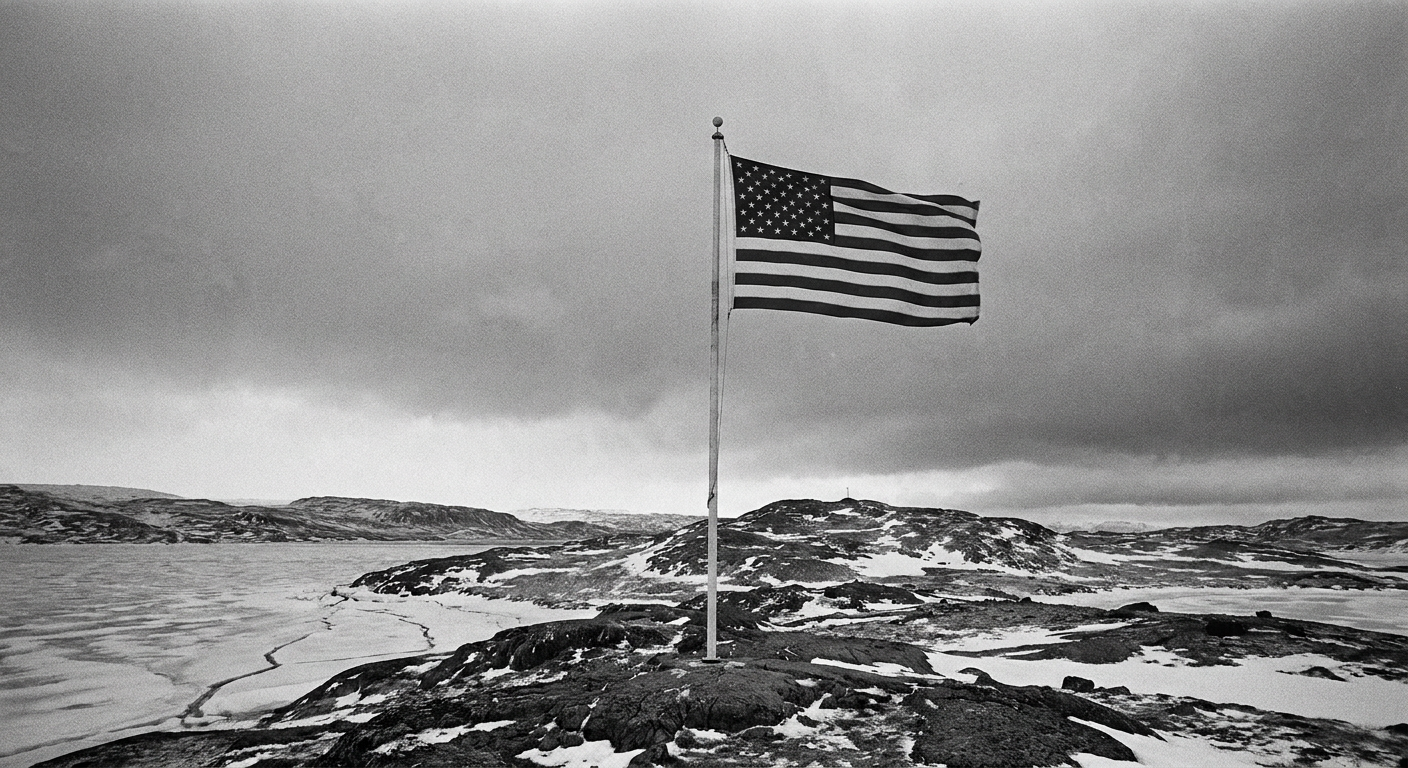
A new strategy paper published this month lays out recommendations for how the United States, Denmark and allied partners should approach security, diplomatic and infrastructure issues in Greenland. The paper follows a period of heightened attention after U.S. rhetoric about acquiring Greenland stoked tensions between Washington and European partners earlier in the year. In parallel with talks among U.S., Danish and Greenlandic officials over the territory’s future, a transatlantic task force convened experts to map a practical way forward.
The task force assembled specialists from government, defense and policy communities to identify the core drivers of the recent dispute and to propose mechanisms for steadier cooperation. The report emphasizes the need for clearer, sustained consultation among Washington, Copenhagen and Nuuk and highlights the political sensitivity of decisions that affect Greenlandic autonomy. It frames the debate as one about balancing allied interests, local self-government and strategic considerations in the Arctic.
Origins of the debate
Earlier this year, public U.S. commentary about Greenland prompted a diplomatic backlash and spurred formal talks among the three parties on U.S. presence and activity in the autonomous territory. Those exchanges made plain that new U.S. engagement in Greenland—whether diplomatic, economic or security-focused—must be coordinated with Danish and Greenlandic authorities to avoid repeating missteps.
The task force report reviews that episode as a warning: gestures or unilateral moves can exacerbate transatlantic friction and complicate practical efforts to strengthen regional cooperation. It also stresses that any long-term approach should be developed through consultation with Greenland’s own government and communities rather than imposed from outside.
What the paper proposes and why it matters to DC
Rather than prescribing a single policy, the paper outlines a set of approaches for allied coordination across diplomacy, development and defense. It highlights options for joint investment in civilian infrastructure, mechanisms for routine diplomatic consultation, and ways for allies to align security planning while recognizing Greenland’s political status. The task force frames these options as tools to lower tensions, advance shared strategic goals and support Greenlandic decision-making.
Those recommendations are directly relevant to Washington policymaking: federal departments and agencies that handle defense posture, Arctic policy, and foreign relations interact frequently with think tanks, congressional staff and foreign counterparts in the capital. The report is intended to inform those conversations and to foster a more deliberative U.S. approach that accounts for allied sensitivities and Greenlandic autonomy.
The paper also situates Greenland within broader transatlantic work on the Arctic and regional infrastructure, underscoring the need for predictable allied behavior and clearer channels for consultation among partners.
Looking ahead, the paper urges follow-up diplomacy and practical steps to translate high-level agreement into coordinated action without sidelining Greenlandic authorities.