White House flags 40+ nations in tariff evasion report
White House report accuses 40+ countries of enabling tariff evasion on Chinese imports, citing transshipment tactics and new AI-backed enforcement.
Atlas Newsdesk ·
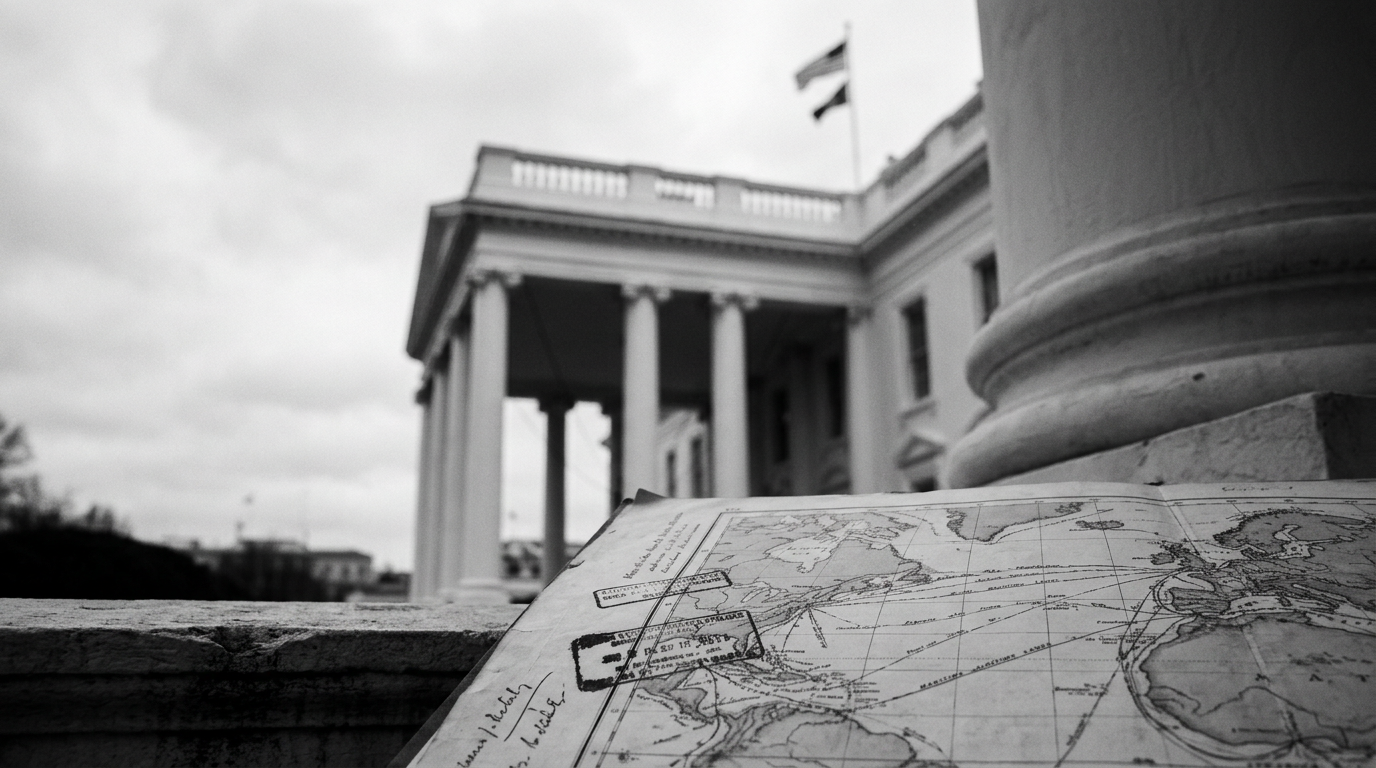
The U.S. administration on Thursday accused more than 40 countries of enabling a logistics network it says is being used to bypass U.S. tariffs on Chinese imports. Officials said Chinese-origin goods are entering the U.S. market through practices such as false country-of-origin labeling, repackaging, and re-invoicing.
The allegations were detailed in a White House report issued by the Office of Trade and Manufacturing Policy. The repoSources said the activity has contributed to the loss of tens of billions of dollars in annual federal revenue, though officials did not provide a country-by-country breakdown in the summary described.
According to the report Report outlines “transshipment” routes and documentation tactics Officials described the alleged mechanism as “transshipment Officials described the alleged mechanism as “transshipment,” in which goods are routed through third countries and then presented to U.S. authorities as if they originated elsewhere. The repoSources said tactics include relabeling, repackaging, and altering invoices to conceal both origin and value. According to the report, jurisdictions identified as major participants include the European Union, Mexico, Canada, India, Japan, and South Korea. Several Southeast Asian nations were also cited, as the administration framed the network as spanning more than 40 countries. Domestic manufacturing sectors cited as most exposed The administration said the alleged activity places disproportionate pressure on U.S. manufacturing. It named electrical equipment, integrated circuits, aluminum products, and motor components as sectors it views as being specifically targeted. Officials presented the issue as both a fiscal and industrial concern, linking revenue loss to broader effects on domestic production. The report’s summary, however, did not specify how much of the alleged losses were associated with each jurisdiction or product category.
Border enforcement shifts as tariffs face legal challenges
Separately, officials said border authorities have begun using artificial intelligence to consolidate shipment information and strengthen enforcement against the practices described. The administration said the aim is to identify patterns across shipments rather than rely on single-document checks. White House The report comes after the administration recently imposed additional import levies of 10 to 12.5 percent on goods from countries it accused of failing to address forced labor. Officials linked those tariffs to enforcement priorities and described them as part of a wider trade-compliance posture.
Those newer levies have drawn legal challenges from a coalition of 25 Democratic-led states. The states argue the tariffs are being used as a pretext for broader protectionist steps that they say were previously rejected by the Supreme Court.
Uncertainty over next steps for jurisdictions and companies
Trade analysts said the report should be read as an effort to use access to the U.S. market as leverage for economic enforcement. The report itself does not resolve the disputes now in court, and officials have not detailed how the administration will translate the findings into specific actions toward the jurisdictions named.
For companies operating multi-country supply chains, the administration’s allegations and stated enforcement shift indicate increased scrutiny of origin documentation and invoicing practices. A key open question remains how enforcement will be applied in practice, given the lack of a detailed public accounting of alleged losses by country in the summary described.