NFL Players Leverage Hold-Ins in Contract Disputes
NFL players are increasingly adopting hold-in strategies to avoid mandatory fines while leveraging contract negotiations during training camp.
Mehmet Şahinoğlu ·
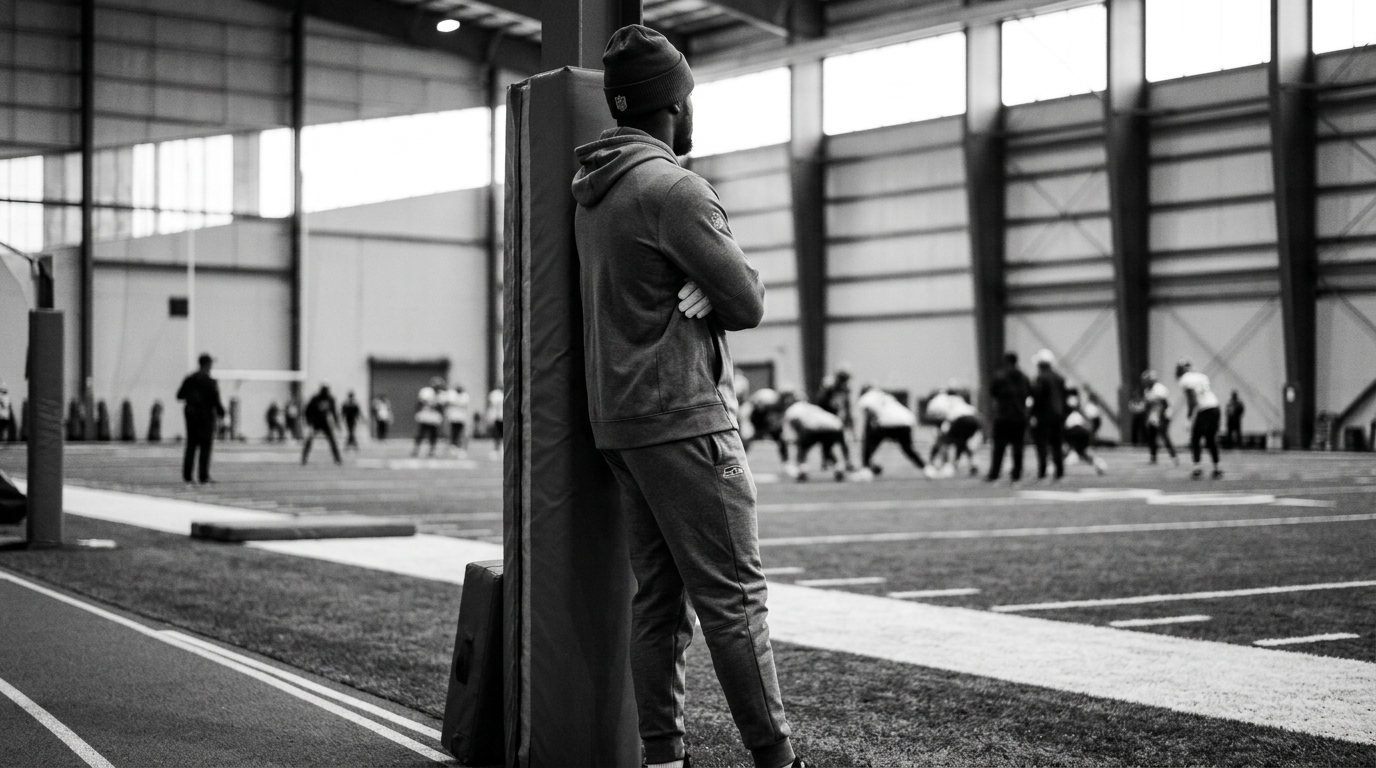
National Football League players are increasingly utilizing “hold-in” tactics during training camps as a method to gain leverage in contract negotiations, a strategy that mitigates the substantial financial penalties associated with traditional holdouts. This shift in player strategy stems from the 2020 collective bargaining agreement, which removed teams' discretion to waive the daily $50,000 fines imposed on veteran players for non-participation.
The hold-in approach allows athletes to attend team facilities and activities without engaging in on-field drills. This maneuver enables players to avoid the punitive fine structure that previously forced a binary choice between complete absence and full compliance, thereby protecting their earnings while signaling dissatisfaction with current contract terms.
For coaching staffs, this evolving strategy presents operational challenges related to maintaining roster continuity and developing game plans without the full, active participation of key starters.
Financial Implications for Teams and Players
The financial risk for NFL organizations associated with traditional holdouts remains significant. Historically, players could forfeit hundreds of thousands of dollars in weekly game checks by missing regular-season games. For example, offensive tackle Walter Jones incurred substantial financial losses by extending his holdout into the 2002 regular season, missing two game checks totaling $578,823 before signing his contract.
Conversely, the hold-in strategy aims to preserve a player's financial stability while pressing for contract adjustments. Recent training camps have seen players like Jahmyr Gibbs, Bijan Robinson, and Vita Vea opt for hold-ins, attending but not fully participating in practice. This minimizes direct monetary loss for the individual player but introduces an element of disruption and uncertainty for the team as critical personnel are present but not fully engaged in preparation.
Evolving Contract Negotiation Dynamics
The current negotiation landscape in the NFL is intricate, involving agents, general managers, and coaches navigating salary cap restrictions and the paramount need to retain elite talent. While players on rookie contracts may still find some flexibility regarding fine relief, veteran players face rigid enforcement, compelling them to adopt these modified participation strategies.
This dynamic shapes preseason activities, influencing both individual player careers and the broader team performance outlook.
The ongoing tension between player compensation demands and team financial management continues to influence preseason dynamics in the NFL, affecting both individual careers and team performance. This signals a sustained adaptation in how players exert influence within the collective bargaining framework.