UNSC Condemns Iran Attacks on Gulf States, Jordan
The UNSC condemned Iran's attacks on Gulf countries and Jordan, passing a resolution with 13 votes for an immediate cessation of hostilities.
Lauren Collins ·
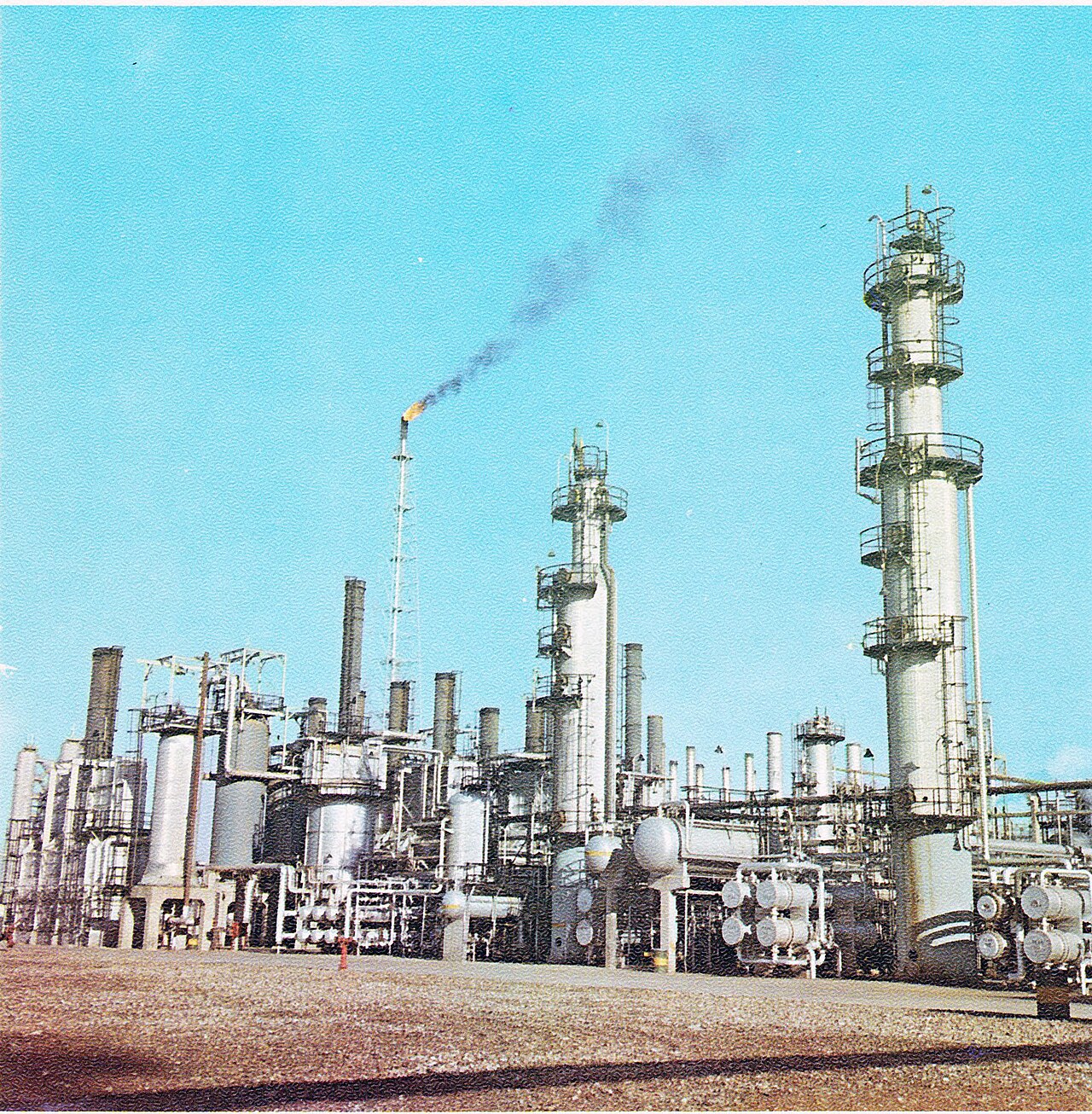
The United Nations Security Council (UNSC) formally condemned Iran's recent attacks against Gulf nations and Jordan, passing a resolution that calls for an immediate end to all hostilities. The measure, adopted on Wednesday, March 12, 2026, received significant international backing, with 135 UN member states co-sponsoring the initiative.
The resolution passed with 13 votes in favor, while China and Russia abstained from the vote. Neither permanent member utilized their veto power, signaling a broad consensus despite their reservations. The Gulf Cooperation Council (GCC) spearheaded the resolution, which specifically highlighted the targeting of vital infrastructure, including energy facilities and ports, across the Gulf region.
International Response and Iranian Rejection
Iran's Ambassador to the UN, Amir-Saeid Iravani, voiced strong disapproval of the resolution, characterizing its adoption as a "serious setback" for the Council's standing. Iravani attributed the conflict's origins to actions by the United States and Israel, expressing "profound regret" over the UNSC's decision.
According to Iranian figures, the conflict has resulted in substantial casualties and damage since February 28. These reports indicate over 1,348 civilian fatalities, more than 17,000 injuries, and damage to over 19,000 civilian sites within the affected areas.
Diplomatic Divisions and Regional Tensions
Both Russia and China, while abstaining, criticized the resolution for what they described as an imbalanced approach. Russian Ambassador Vassily Nebenzia argued that the resolution would not contribute to international peace and security. Similarly, Chinese Ambassador Zhang Jun urged the United States and Israel to halt their alleged attacks, reflecting a nuanced diplomatic stance.
This UNSC action underscores escalating tensions in the Middle East, particularly concerning Iran's regional activities. The condemnation by a significant majority of the Security Council members, despite the abstentions, reflects global concern over stability in a critical energy-producing region. The resolution's focus on critical infrastructure highlights the potential economic and strategic ramifications of continued conflict.
Broader Implications for Regional Stability
The resolution's passage could intensify diplomatic pressure on Iran, potentially influencing its future military engagements in the region. The abstentions from China and Russia, while not blocking the resolution, indicate persistent geopolitical divisions within the Security Council regarding Middle Eastern conflicts.
The international community will closely monitor the implementation of the resolution and any subsequent responses from the involved parties, particularly concerning the protection of civilian populations and essential infrastructure.
The ongoing situation poses significant challenges for regional stability and global energy markets. The explicit condemnation by the UNSC signals a collective desire to de-escalate hostilities and protect international shipping lanes and energy supply chains from disruption. Future diplomatic efforts will likely focus on securing a lasting cessation of hostilities and addressing the underlying causes of the conflict.
Implications
Country Impact: The resolution increases diplomatic pressure on Iran, potentially impacting its regional foreign policy and military actions. Jordan and Gulf states receive international backing for their security concerns.
Industry Impact: Targeting of critical infrastructure, including energy facilities and ports, poses risks to global energy supply chains and maritime trade, potentially affecting oil and gas markets.
Market Impact: Increased geopolitical instability in the Middle East could lead to higher risk premiums in commodity markets, particularly for oil, and potentially impact investor confidence in regional assets.