UNICEF Worker Killed in Goma Drone Attack
A UNICEF worker was killed in a Goma drone strike on March 11, 2026, escalating tensions in the M23-controlled DRC region.
Lauren Collins ·
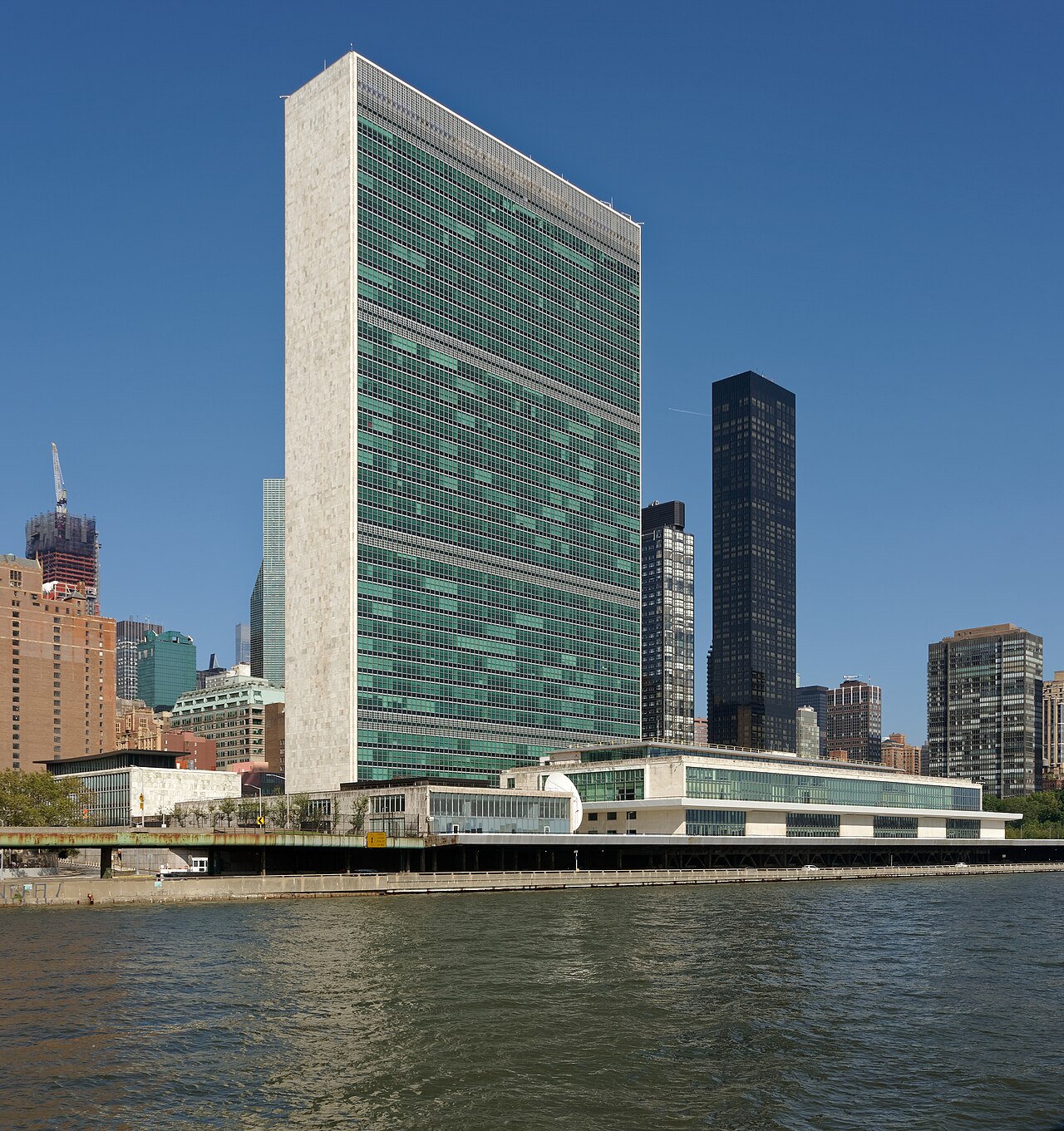
A French humanitarian worker affiliated with UNICEF, Karine Buisset, died in Goma, Democratic Republic of Congo, following a drone strike on a residential area. The incident occurred on Wednesday, March 11, 2026, within territory controlled by the M23 rebel group. French President Emmanuel Macron confirmed Buisset's death and emphasized the importance of upholding humanitarian law.
Goma Attack Details Emerge
The M23 rebel group, which took control of Goma in January 2025, attributed the strike to a "combat drone." They accused the Congolese government of targeting a civilian residential building in the city center. Eyewitness accounts from aid workers in the vicinity reported hearing a drone before a significant explosion, which caused structural damage to the building.
Regional Tensions Escalate
This event follows claims by the Democratic Republic of Congo's army on March 10, 2026, that it had intercepted two drones belonging to Rwandan forces over South Kivu province. The DRC government alleged these actions constituted violations of its airspace and the Washington Accord, a regional security agreement. The Congolese government has not yet issued a statement regarding the M23's accusations concerning the Goma strike.
M23's Resurgence and International Response
The M23 rebel group has significantly expanded its control in eastern DRC since resuming hostilities in 2021. This resurgence has occurred despite previous peace agreements signed with the Congolese government and a separate accord involving Rwanda. The United States imposed sanctions on Rwanda's military and four high-ranking officers on March 2, 2026, citing their alleged support for the M23. Rwanda has consistently denied these accusations.
Humanitarian Crisis Deepens
The ongoing conflict in eastern DRC has exacerbated a severe humanitarian crisis, displacing millions and creating immense challenges for aid organizations. The targeting of residential areas and the death of a humanitarian worker underscore the escalating risks faced by civilians and aid personnel in the region. International bodies continue to call for de-escalation and adherence to international humanitarian law to protect non-combatants and facilitate aid delivery.
Outlook for Regional Stability
The drone strike in Goma further complicates the already fragile security situation in the Great Lakes region. The accusations and counter-accusations between the M23, the Congolese government, and Rwanda highlight deep-seated geopolitical tensions. Future developments will likely hinge on diplomatic efforts to enforce existing peace agreements and address the underlying causes of the conflict, including external support for armed groups and competition over natural resources.
Implications
Country Impact: The Democratic Republic of Congo faces heightened instability and a deepening humanitarian crisis, particularly in its eastern provinces. The incident risks further escalating tensions with neighboring Rwanda and complicates efforts to achieve lasting peace.
Industry Impact: Humanitarian aid operations in conflict zones, especially in eastern DRC, will likely face increased security risks and operational challenges. This could lead to a reduction in aid access and a re-evaluation of security protocols for international organizations.
Market Impact: Regional markets may experience increased volatility due to geopolitical uncertainty. Investment in the DRC, particularly in its resource-rich eastern regions, could be deterred by the escalating conflict and perceived security risks.