UAE imposes total trade embargo on Iran indefinitely
UAE says it has halted all trade and financial ties with Iran immediately and indefinitely, citing alleged missile launches that Iran denies.
Atlas Newsdesk ·
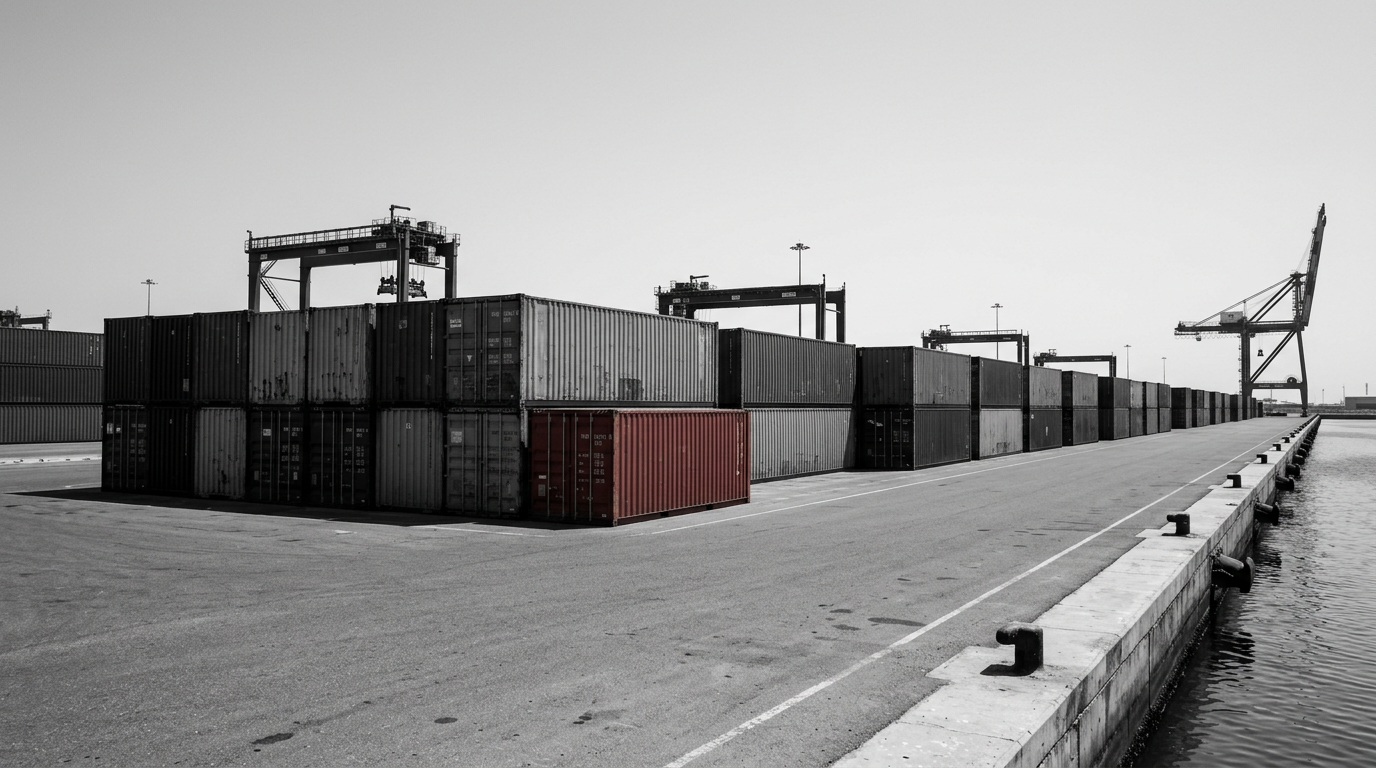
The United Arab Emirates said on Wednesday it is introducing an immediate, indefinite embargo that stops all trade and financial transactions with Iran, describing the move as a response to a security incident.
The UAE Ministry of Foreign Affairs linked the decision to what it called the alleged launch of two ballistic missiles toward UAE territory. Iranian officials rejected that account, with the Iranian Ministry of Foreign Affairs describing the allegation as a false flag operation.
Embargo ordered after a disputed missile incident
Officials in Abu Dhabi presented the embargo as a direct reaction to what they portrayed as an imminent threat, saying the measures take effect at once and cover both commercial exchanges and financial dealings.
The UAE said the missiles were aimed at maritime traffic and connected the alleged incident to risks in nearby waters, placing the decision in the context of heightened security concerns.
Regional backdrop cited by UAE officials
The announcement also followed the expiration earlier this week of a US-Iran memorandum of understanding. The UAE described that development as part of a wider deterioration in the regional environment.
In the source account, the UAE’s action was described as a sharp escalation between two Gulf neighbours, with trade and finance targeted as the primary instruments of pressure.
UAE’s role as a trade conduit comes into focus Officials said the embargo is designed to close long-standing channels that have supported Iran’s access to goods, including formal commerce and informal re-export routes used despite international sanctions.
Figures cited in the source material put official bilateral trade at 6.2 billion dollars in 2023. The UAE has also been described as a key supplier route for Iranian imports such as telecommunications equipment, industrial machinery, and consumer goods.
Reports of earlier strikes and contested responsibility
The decision follows reports of Iranian strikes on UAE infrastructure, including energy terminals and the Barakah Nuclear Energy Plant. Those reported incidents have resulted in 15 fatalities since February 2026, according to the account provided in the source material.
Analysts cited in the source said cutting off UAE trade and financial links could present a more immediate threat to the Iranian economy than existing US naval blockades. The same accounts said the UAE’s role in re-export routes has made it a particularly sensitive pressure point for Tehran.
Economic strain and unresolved enforcement questions
The source material said the embargo is expected to deepen Iran’s economic isolation as international pressure intensifies. It cited a decline in Iran’s GDP per capita from 8,000 dollars in 2012 to 5,000 dollars in 2024.
Key details remain unsettled, including how long the measures will last and whether any exemptions, enforcement mechanisms, or dispute-resolution steps will be announced. The UAE’s position, as described, is that the halt is total and indefinite, while Iran continues to dispute the underlying allegations.