Plasma Donor Deaths Prompt Health Canada Investigation
Health Canada is investigating two plasma donor deaths at Grifols clinics in Winnipeg, following prior regulatory deficiencies at other facilities.
Ayla Demirhan ·
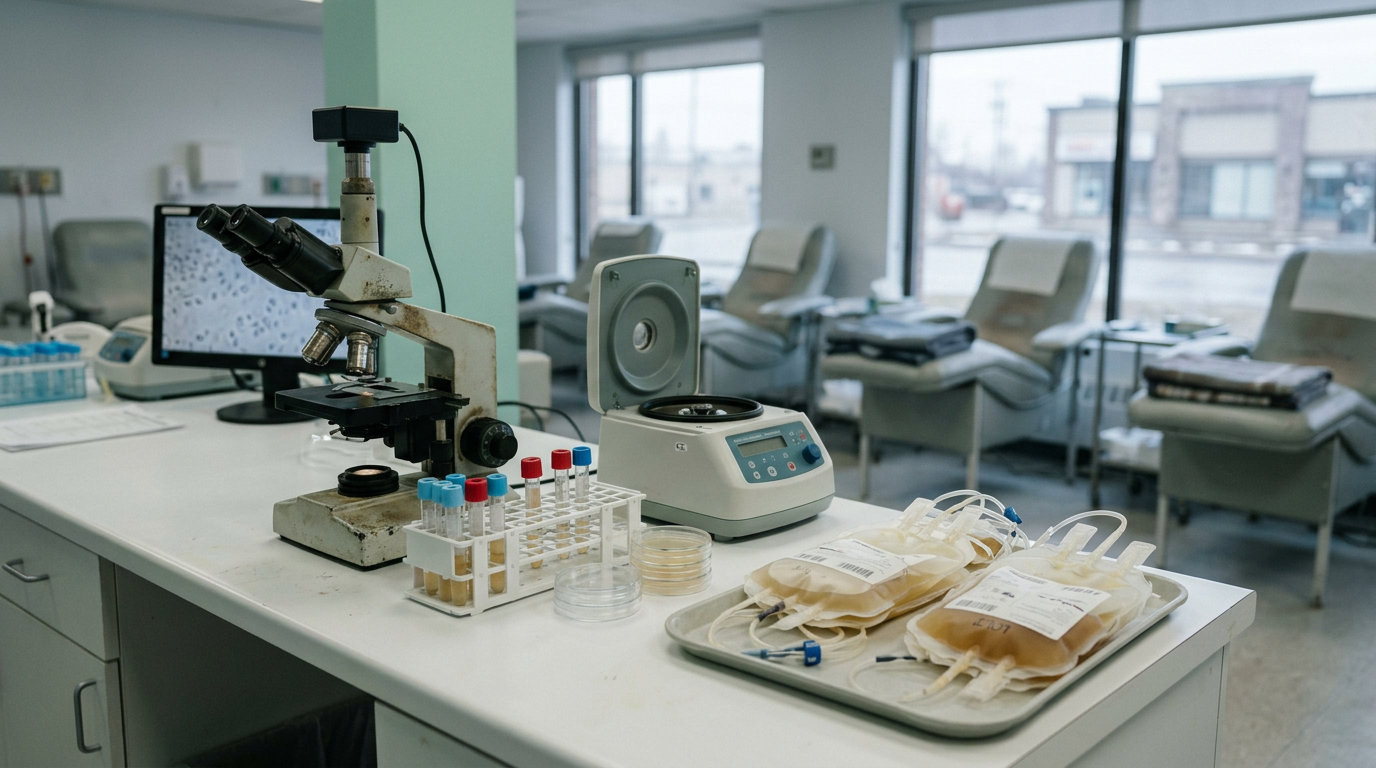
Health Canada is investigating two donor fatalities that occurred after plasma donations at clinics operated by the Spanish healthcare firm Grifols. The incidents, which took place in October 2025 and January 2026, have raised concerns about donor safety protocols within the country's plasma collection system. Both deaths were reported in Winnipeg, with one victim identified as a 22-year-old international student.
Federal inspectors had previously identified multiple operational deficiencies at Grifols' facilities in Saskatchewan and Alberta. These issues included inadequate donor suitability assessments, failures in maintaining essential equipment, and poor record-keeping practices. For example, a Saskatchewan clinic was found non-compliant with the Food and Drugs Act due to 11 identified deficiencies, while an Alberta location had 10.
Grifols, a major global player in plasma-derived medicines, has stated that it currently sees no direct link between the donations and the deaths. The company has indicated it is implementing corrective measures to address the regulatory findings. Health Canada's ongoing investigations aim to determine the precise circumstances surrounding these adverse events.
Plasma donation is a critical component of the healthcare system, providing raw material for life-saving therapies. The process involves collecting plasma, the liquid part of blood, which is then used to create treatments for various conditions, including immune deficiencies and bleeding disorders. Strict safety guidelines are typically in place to protect donors and ensure the quality of collected plasma.
These incidents underscore the importance of rigorous oversight in medical donation processes. Regulatory bodies like Health Canada are tasked with ensuring that all facilities adhere to national and international safety standards. The Canadian Blood Service, while not directly involved in these specific incidents, has reiterated its commitment to maintaining high safety standards across all blood and plasma collection activities in Canada.
Further details are expected as Health Canada's investigations progress. The findings will be crucial for understanding potential systemic issues and for reinforcing donor safety measures across the industry. The outcome could influence future regulatory frameworks for plasma collection centers operating within Canada.
Implications
Country Impact: The incidents could lead to stricter regulatory oversight of plasma collection centers across Canada, potentially impacting operational costs and compliance requirements for healthcare companies.
Industry Impact: The global plasma collection industry may face increased scrutiny regarding donor safety protocols and facility compliance, potentially affecting supply chains for plasma-derived therapies.
Market Impact: Investor confidence in companies operating plasma collection services could be affected, particularly if regulatory actions or public concerns escalate following the ongoing investigations.