TÜRKSAT-Biruni Satellite Project to Boost Data Capacity via Qatar
The TÜRKSAT-Biruni satellite project, backed by Qatari funding, aims to add 50 Gbps of data capacity to Turkey's orbital infrastructure.
Cuneyd Erdogan ·
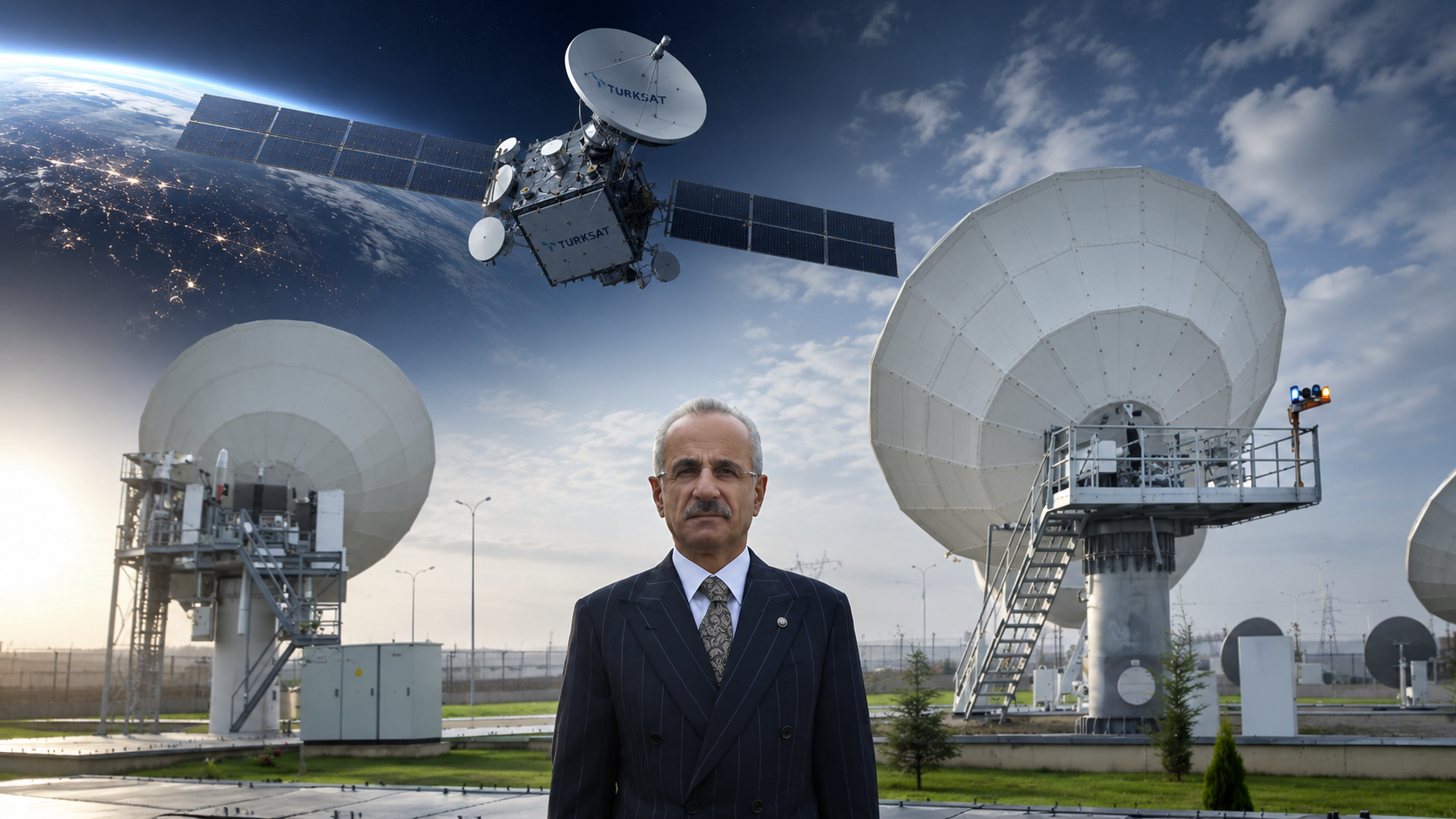
Satellite Expansion Strategy
The TÜRKSAT-Biruni satellite initiative is set to enhance Turkey's orbital communications by providing up to 50 Gbps of additional bandwidth. Positioned at the 50 degrees East orbital slot, the project represents a strategic move to bolster high-speed data transmission capabilities.
Transportation and Infrastructure Minister Abdulkadir Uraloğlu stated that this new asset will integrate advanced, high-capacity technology into the existing fleet. Official reports suggest the project is designed to expand national communication infrastructure while strengthening Turkey's competitive standing in the international satellite services market.
While the name of the satellite was designated by President Recep Tayyip Erdoğan, specific details regarding manufacturing timelines, total project costs, and the anticipated launch date remain undisclosed. Consequently, the immediate assessment of the project focuses on its collaborative structure and the projected increase in data throughput.
Focus on High-Bandwidth Services
Utilizing Ka-Band technology, the satellite is engineered to prioritize data-intensive applications over traditional broadcasting. According to government statements, this capacity will support high-speed internet, maritime and aviation mobility, and secure data transfers for government and corporate entities.
This development is expected to impact two primary sectors: it provides expanded bandwidth for institutional users and extends connectivity reach for mobile and broadband services across a broader geographic footprint. The shift toward Ka-Band underscores a transition toward data-centric satellite utility.
Collaborative Infrastructure Model
The project is supported by financial backing from Qatar, with manufacturing handled by Es'hailSat. Officials confirmed that the satellite will be registered under TÜRKSAT with the International Telecommunication Union, ensuring that no transfer of orbital or frequency rights occurs.
This partnership model allows both entities to leverage shared ground infrastructure, distribution networks, and existing client bases. By pooling resources, the project aims to optimize operational efficiency and accelerate the commercial viability of the TÜRKSAT-Biruni asset.
Regional Reach and Uncertainties
The service network is intended to cover regions including the Middle East, North Africa, Europe, Central Asia, and Sub-Saharan Africa. This wide coverage suggests the satellite is intended to meet regional data demand rather than serving domestic needs exclusively.
Key variables such as the specific customer allocation and the financial terms of the Qatari investment remain unknown. Without these details, the long-term competitive impact and revenue potential of the satellite cannot be fully determined. 🌐