Turkey seeks higher chocolate exports on ‘Dubai chocolate’
Turkey aims to lift chocolate exports by marketing “Dubai chocolate” styles, using domestic Antep pistachio and kadayif; results hinge on data by 2026.
Omar Farouk ·
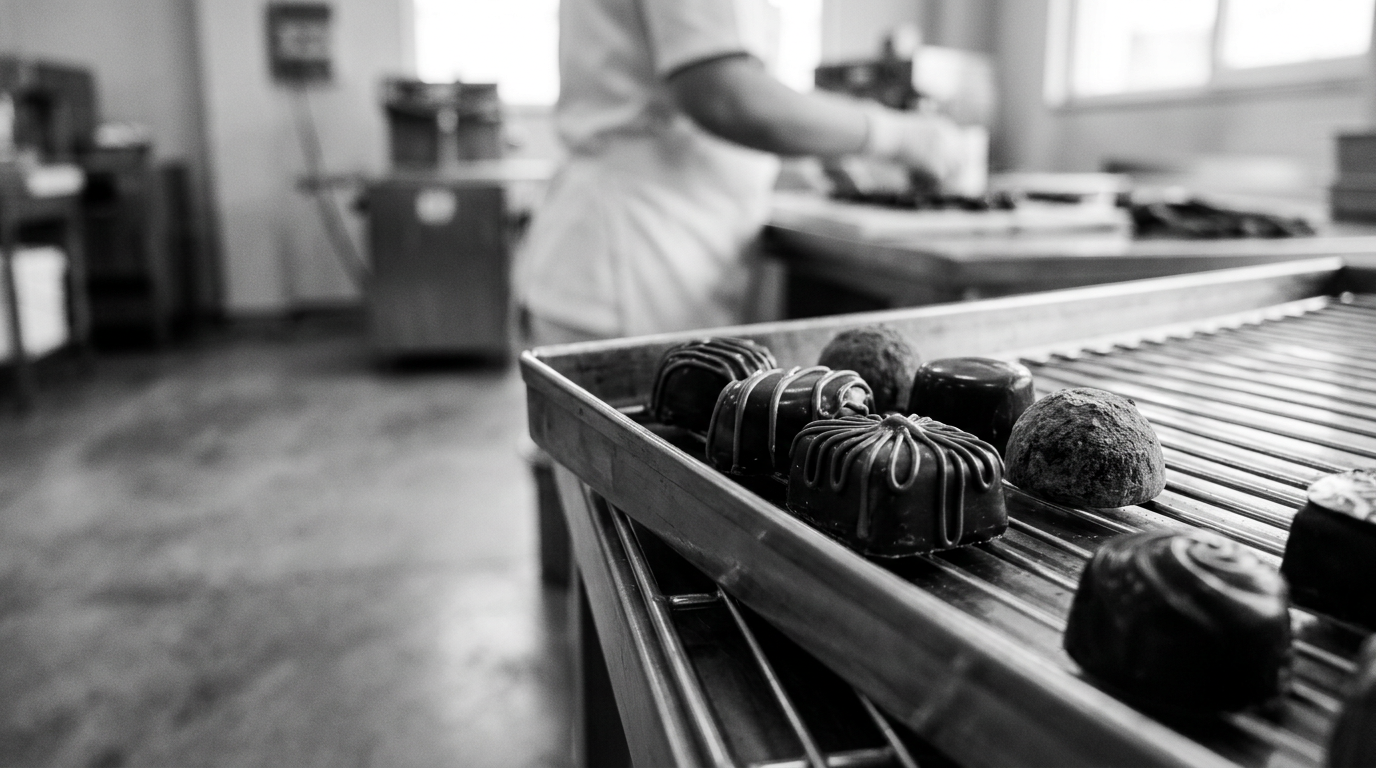
Turkey is seeking to expand its chocolate exports by linking production and marketing to the rising visibility of “Dubai chocolate,” a premium-leaning confectionery trend associated with pistachio-forward fillings and rich textures. Producers and exporters are framing the trend as a trade opening that could help the country sell more finished, branded chocolate products abroad rather than concentrating on raw or semi-processed inputs.
Industry voices in Turkey describe “Dubai chocolate” not as a single regulated product with a fixed specification, but as a marketing category. In practice, it is often positioned as a higher-end chocolate style that has circulated through social media and specialty retail channels, creating demand signals that exporters want to capture.
Domestic inputs: Antep pistachio and kadayif Two ingredients are central to Turkey’s pitch: Antep pistachio (Gaziantep pistachio) and kadayif, the shredded pastry commonly used in desserts. Both are widely used in pistachio-filled chocolates and similar products, and both are described by producers as being available from domestic supply.
That availability is being presented as a competitive advantage for scaling production when demand shifts toward pistachio-heavy recipes and processed dessert components. Exporters argue that secure access to these inputs can support consistency in output while competing on cost and perceived quality in premium-positioned chocolate lines.
From ingredient supplier to branded confectionery exports
Turkey has long supplied nuts and dessert ingredients to regional and European markets, and its confectionery sector sits at the intersection of agricultural capacity and brand-building. The current narrative aims to move beyond commodity-oriented trade by increasing the share of exports shipped as finished chocolate products.
Supporters of this approach say the export upside is not limited to higher volumes. They also point to potentially improved margins if Turkish manufacturers can capture more value through branded confectionery sales rather than primarily exporting ingredients.
Logistics routes and regional shelf space
Exporters also point to distribution realities in regional food trade. Confectionery shipments use the same logistics corridors that serve Gulf retail markets and wider Middle East distribution hubs, and industry participants argue that stronger brand visibility in sweets could translate into longer-term shelf placement and contracts.
At the same time, the approach carries risk if demand tied to a trend fades. Exporters that commit heavily to trend-specific product lines could face inventory overhang and pricing pressure if the premium segment cools.
Evidence gap and the 2026 test
Producers and exporters say the trend is creating momentum, but the strategy’s success ultimately depends on measurable export outcomes. Observers say the key is whether verifiable export data or official trade or industry statements can quantify any change in Turkey’s chocolate and confectionery exports tied specifically to pistachio-filled or kadayif-containing lines by the end of 2026.
Without such figures, the push remains a marketing-led story rather than a confirmed shift in export performance.