US Patriot System Deploys to Turkey Amid Regional Tensions
A U.S. Patriot air defense system deployed to Turkey's Malatya province on March 10, bolstering NATO's defenses against missile threats.
Lauren Collins ·
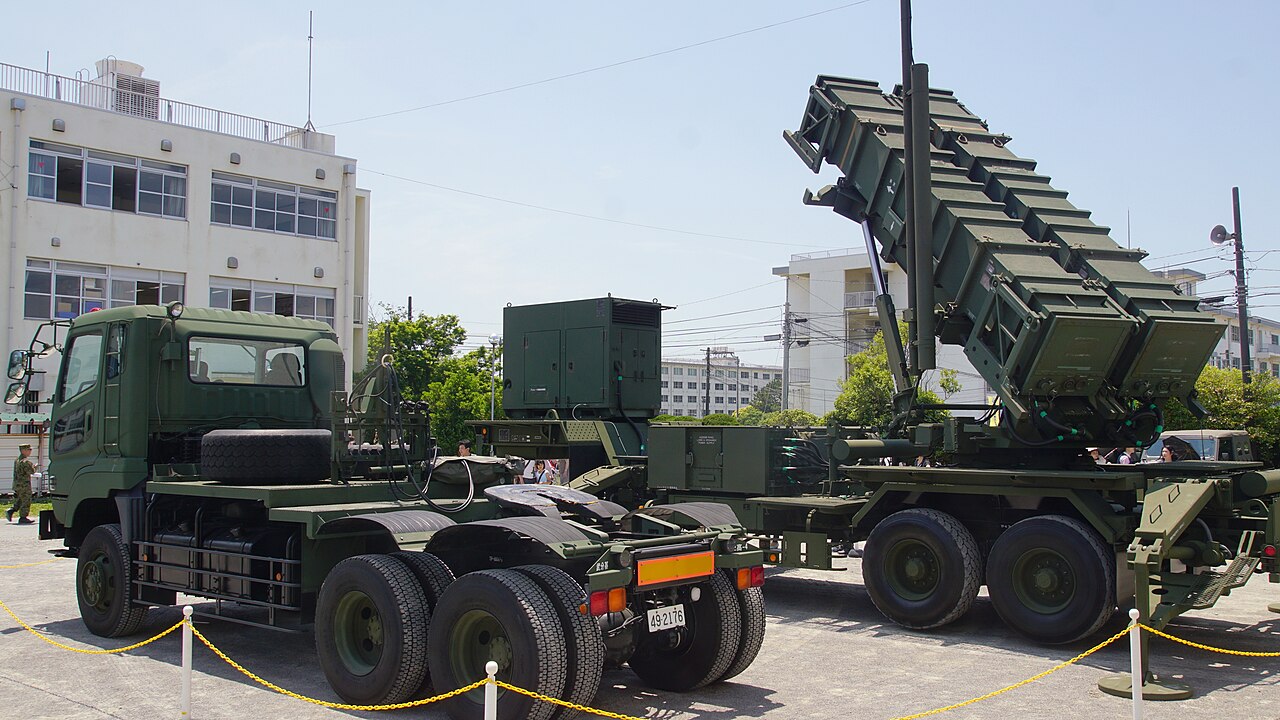
A U.S. Patriot air defense system has been deployed to Turkey's southeastern Malatya province, near a critical NATO radar installation. The deployment, confirmed on Tuesday, March 10, is a component of broader NATO initiatives to strengthen air defense capabilities against potential missile threats in the region. This strategic move aims to bolster Turkey's national security infrastructure.
The Kurecik NATO radar base, situated in Malatya, plays a vital role in providing intelligence data for the alliance. Recent reports indicate that this base detected two Iranian ballistic missiles heading towards Turkish airspace within the past week, underscoring the immediate need for enhanced defensive measures. The deployment of the U.S. Patriot system directly addresses these emerging threats.
NATO's Enhanced Air Defense Strategy
This deployment is part of a coordinated effort by the North Atlantic Treaty Organization to reinforce the air defenses of its member states. The alliance has been actively working to mitigate risks associated with missile proliferation and regional instability, particularly in the context of ongoing conflicts in neighboring areas.
Turkey, despite maintaining NATO's second-largest military force, relies on these integrated NATO air defense systems for comprehensive protection against advanced missile capabilities.
Previous incidents have highlighted Turkey's reliance on allied support, such as the deployment of a Spanish Patriot system in the eastern Mediterranean to counter earlier missile threats. The current U.S. Patriot deployment signifies a continued commitment from NATO to ensure the collective security of its members.
Strategic Location and Regional Context
The Malatya province is strategically significant due to its proximity to volatile regions and the presence of the Kurecik radar base. This base is crucial for early warning and tracking of ballistic missile launches, providing essential data that informs defensive responses across the alliance. The decision to deploy the U.S. system to this specific location reflects a targeted approach to address identified vulnerabilities.
Discussions between Turkish and Iranian leadership regarding missile incidents have preceded this deployment, indicating a diplomatic dimension to the ongoing security concerns. The origin of the newly deployed U.S. Patriot system was not immediately specified, though reports have suggested that Washington is considering reallocating defense assets, including Patriot batteries, from other global locations like South Korea.
Implications for Regional Security
The deployment underscores NATO's proactive stance in adapting to evolving security landscapes. It sends a clear signal regarding the alliance's readiness to defend its borders and assets against ballistic missile threats. This move is expected to enhance deterrence and provide a more robust defensive shield for Turkey, a key NATO member bordering several unstable regions.
This action reinforces the principle of collective defense within NATO, demonstrating practical support for member states facing direct security challenges. The presence of advanced air defense systems like the Patriot is critical for maintaining regional stability and preventing escalation in areas prone to missile activity.
Implications
Country Impact: Turkey's national air defense capabilities are significantly enhanced, providing a stronger deterrent against regional missile threats. This deployment reinforces its strategic importance within NATO and its role in regional security.
Industry Impact: The defense industry sees continued demand for advanced air defense systems, particularly Patriot batteries, reflecting ongoing geopolitical tensions. This could influence future defense procurement and technological development.
Market Impact: Increased geopolitical stability in the Eastern Mediterranean and Middle East could positively influence investor confidence in the region. However, heightened military presence might also be perceived as an escalation risk, potentially impacting energy markets and regional trade routes.