Turkey Targets Full Electrification as Core Policy Goal
Turkey's Energy Ministry announced a commitment to 100% electrification by September 2026, aiming to transform industrial and power sectors.
Mateo Fernandez ·
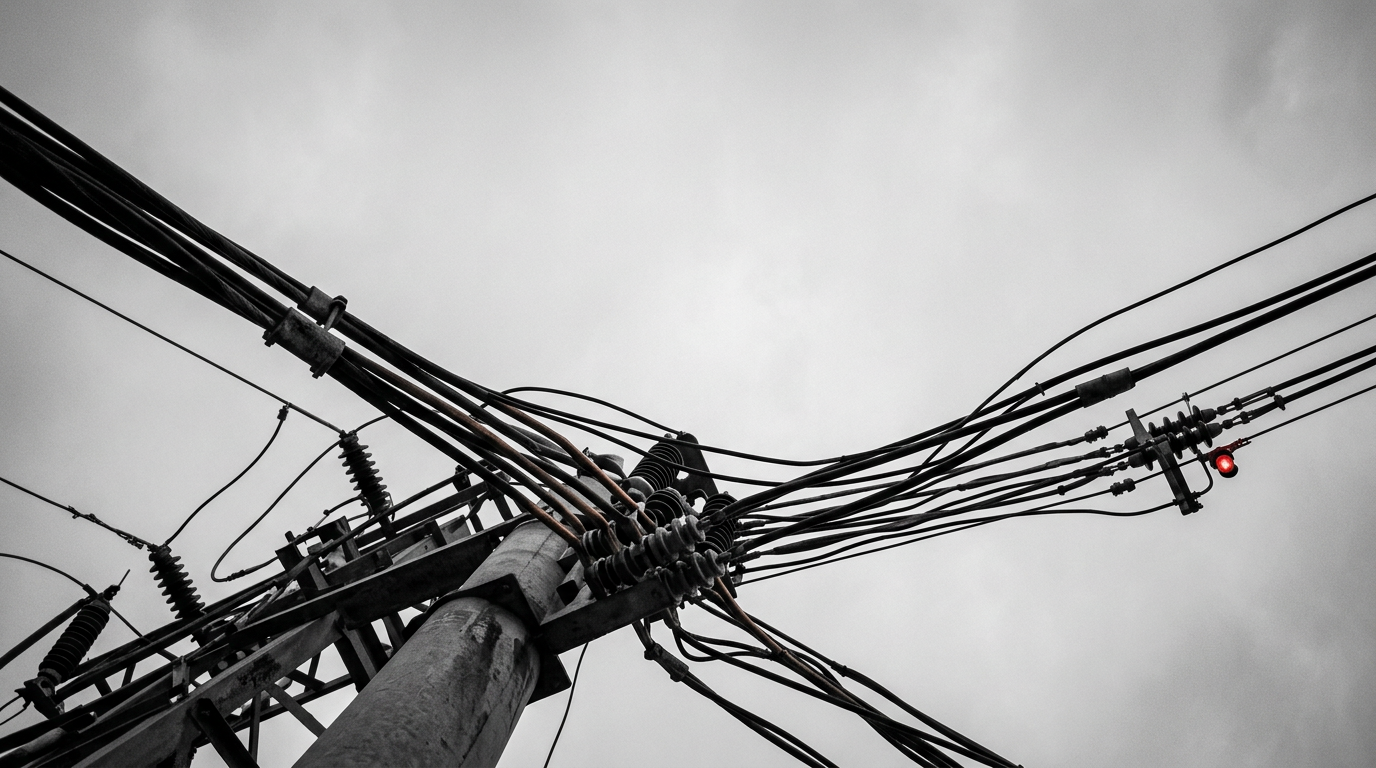
Turkish officials declared a national commitment to full electrification, identifying it as a primary policy objective for the nation's future. This declaration was made during the International Energy Agency report launch on September 4, 2026. The move signifies a major strategic shift, impacting industrial policy, transportation, and national power infrastructure planning.
The Energy Ministry indicated that achieving this target will necessitate significant expansion of generation capacity, substantial upgrades to electricity grid, and increased deployment of both renewable energy sources and energy storage solutions. This transition is expected to redirect substantial investment towards the power sector, driven by a projected rise in electricity demand. Authorities characterized electrification as a critical mechanism to decrease the country's reliance on fossil fuels, aligning with broader global energy transition trends.
Investment Implications and Market Focus
The anticipated sequence of increased electricity demand, followed by expanded generation capacity and greater grid expenditures, is set to fundamentally alter the investment landscape within Turkey. This transformation will particularly affect utilities, independent power producers, and infrastructure funds with interests in the country. The redirection of capital towards the power sector suggests new opportunities and challenges for stakeholders.
During the report launch event, officials did not release a specific timetable or detailed targets for the electrification initiative. However, the potential publication of a national electrification roadmap by December 31, 2026, is highly anticipated. Such a document would offer clearer insights for markets and investors regarding required capacity additions, potential funding needs, and the projected pace of fuel substitution across various economic sectors.
Challenges and Future Outlook
A significant challenge in this ambitious plan revolves around the speed and efficiency with which planned grid upgrades and new energy storage projects can be financed and subsequently constructed. Ensuring these critical infrastructure developments keep pace with the projected increase in electricity demand remains a key concern. The successful implementation will depend on overcoming potential logistical and financial hurdles, securing robust domestic and international investment, and fostering technological innovation.
The commitment to 100% electrification places Turkey among a growing number of nations prioritizing sustainable energy transitions. While the specific details are yet to be fully outlined, the policy signals a long-term strategic direction focused on energy independence and environmental sustainability, potentially reshaping Turkey's economic and energy profile for decades to come.