TSMC margins squeezed by US AI-chip push
TSMC announced $200 billion in U.S. investment; Washington's push for American-made AI chips is shifting costs and supply toward the United States.
Mateo Fernandez ·
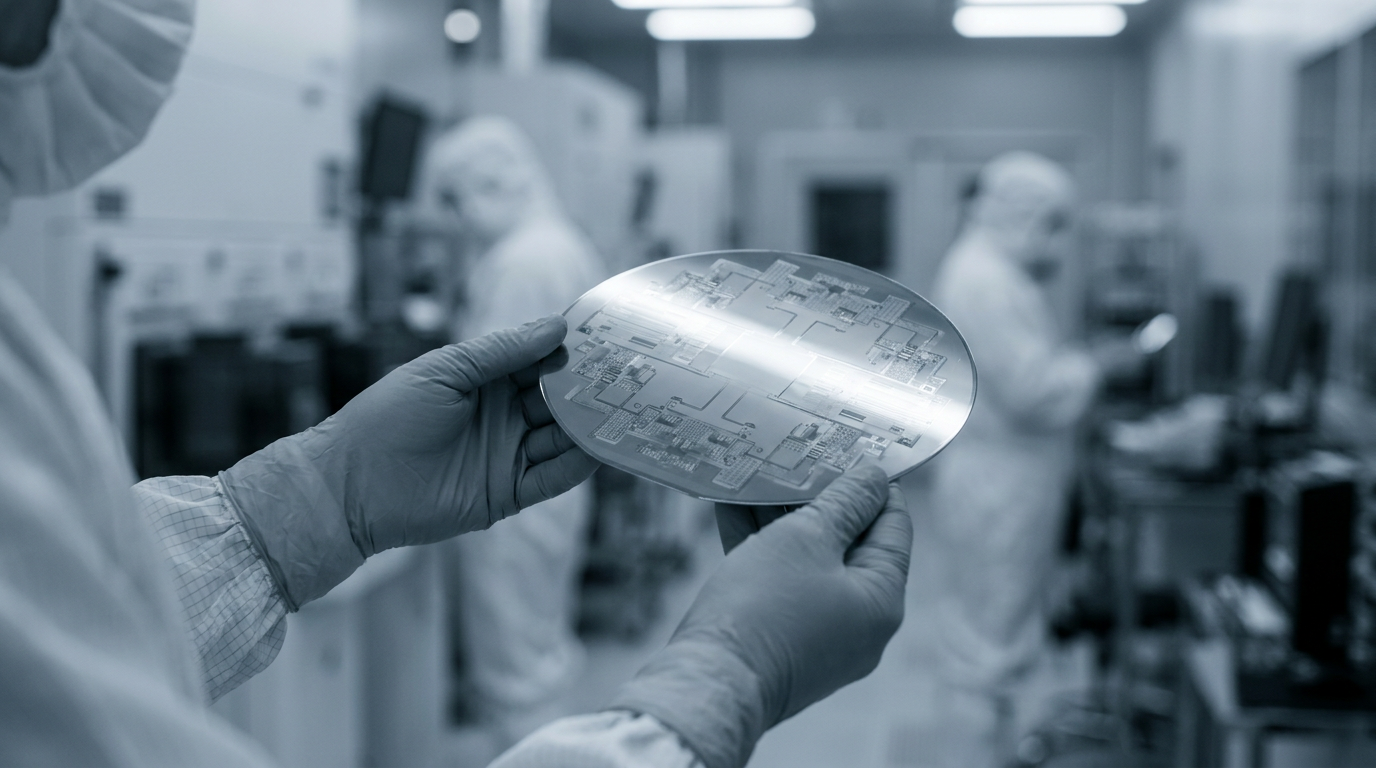
TSMC said it has committed $200 billion to U.S. manufacturing since President Trump returned to power in 2025, and officials' pressure for American-made AI chips is converging with that expansion. The move accelerates capital spending in higher-cost jurisdictions and creates a timing mismatch between new U.S. capacity and existing Taiwan-based production.
$200 billion U.S. investment
The company announced the $200 billion figure as part of its push to add fabs and assembly capacity in the United States. Data showed building and operating fabs in the U.S. typically carries higher construction, labor and regulatory costs than comparable sites in Taiwan, which can compress gross margins while new sites ramp up.
Shifting production also alters logistics and inventory patterns for customers that use advanced AI accelerators, increasing short-term operating expenses for TSMC. Officials said the policy environment in Washington favors onshore chipmaking through incentives and procurement preference, which amplifies the incentive for foundries to reallocate capital even if unit economics temporarily worsen.
Expect the margin effect to appear in quarterly disclosures as higher capital intensity and slower margin recovery; monitor TSMC's capex breakdown and guidance for changes in U.S. vs Taiwan spending. By December 31, 2026, watch company filings and capital-spend updates for the clearest signal on whether U.S. investments are eroding or stabilizing margins.