Trump Warns Iran After Forces Exchange Fire, Oil Risk Rises
President Trump warned Iran on August 31 following a military exchange, marking the first direct fire in a month and raising oil market concerns.
Mateo Fernandez ·
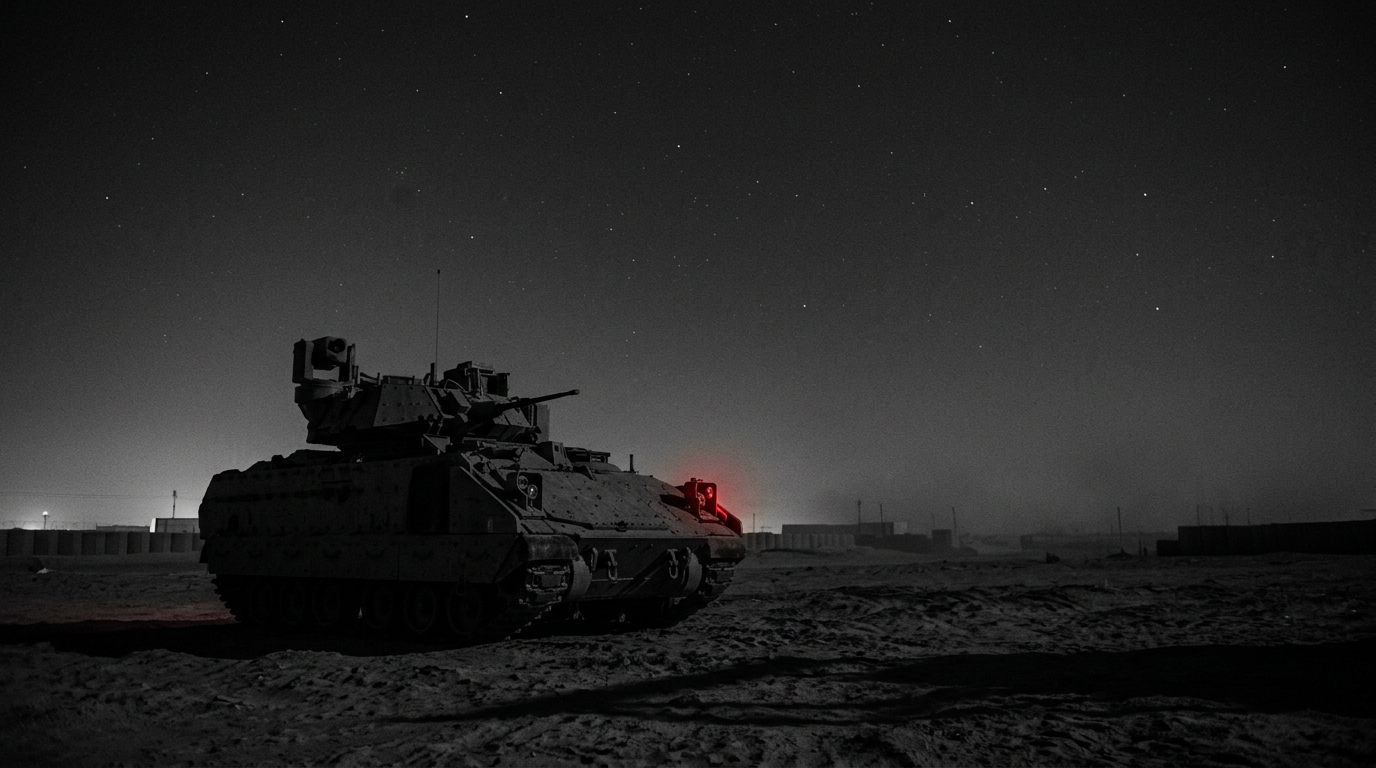
President Trump issued a stern warning to Iran on August 31 after forces from the two nations engaged in direct fire, an incident marking the first such exchange in approximately a month. This development immediately refocused market attention on potential risks to global oil supplies and prices, given the critical role of the Gulf region in energy transit.
Following the confrontation, President Trump's administration indicated that the United States would respond with significant force if Iran were to escalate tensions further. Initial reports confirmed this as the first direct military engagement between U.S. and Iranian forces in the past four weeks, creating immediate uncertainty about regional stability and its broader economic implications.
Geopolitical Implications for Energy Markets
The military channel between the U.S. and Iran holds substantial significance for global markets, primarily due to the Persian Gulf's pivotal role as a conduit for energy shipments. Any disruption or heightened instability in this waterway typically translates into an increased risk premium for crude oil prices. This sensitivity underscores the interconnectedness of geopolitical events and global commodity markets.
Analysts suggest that if the recent exchange remains an isolated event, the macroeconomic impact might be limited, primarily influencing short-term trading positions in oil and safe-haven assets. However, a repetition of such incidents could lead traders to assign a higher probability to significant supply disruptions, which would, in turn, fuel inflation expectations and diminish overall risk appetite among investors.
Broader Sector Exposure and Monitoring
For both Washington and Tehran, the immediate challenge lies in determining whether this confrontation is a one-off occurrence or the beginning of a new, more active pattern of engagement. The wider defense and energy sectors are particularly exposed to these dynamics, facing potential increases in insurance costs, elevated shipping risks through critical chokepoints, and greater volatility in fuel prices.
While direct corporate earnings may not be immediately affected, the indirect costs and uncertainties are considerable. The next critical period for observation extends until September 1, 2026. Market participants will closely monitor whether U.S. or Iranian officials report any additional hostile fire, new military deployments, or diplomatic overtures within this timeframe.
Should no further incidents be confirmed within this monitoring window, markets might interpret the recent warning as a contained event. Conversely, if another exchange of fire is reported, geopolitical tensions are expected to become a primary driver for oil prices and demand for safe-haven investments, signaling a potentially more volatile period ahead for international markets.