Trump tariffs may expand after forced-labor trade probes
Trump tariffs could expand to about 60 countries as the administration weighs forced-labor enforcement actions and temporary 10% levies near expiry.
Amira Hassan ·
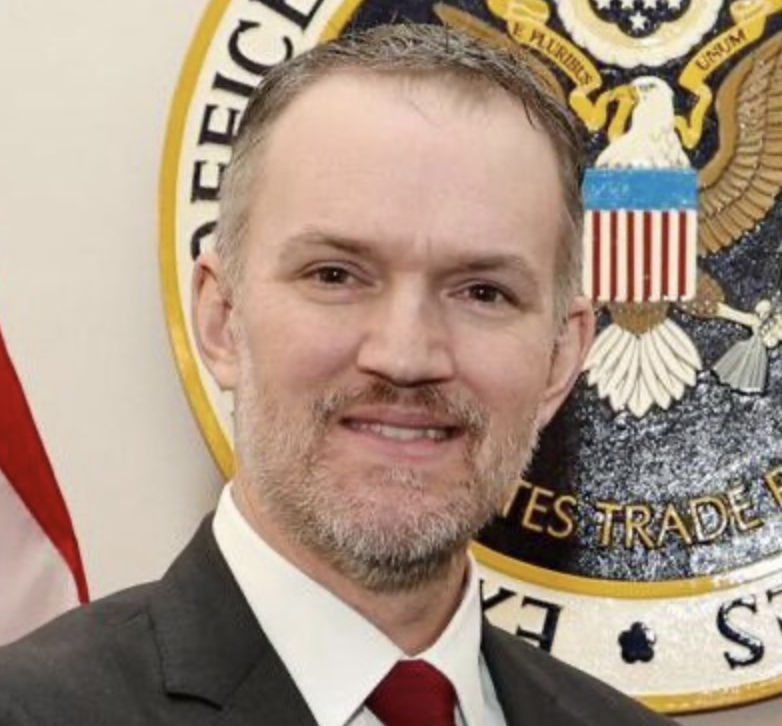
Trump tariffs could widen to about 60 countries after forced-labor probes, U.S. Trade Representative Jamieson Greer said.
The possible action would extend the administration’s trade campaign into a new legal lane: whether foreign partners meet forced-labor standards or enforce rules already on their books. Greer said the administration expects movement soon, but any new duties would still need to pass through consultation and public process before taking effect.
Greer cites labor enforcement gaps
Greer said the administration has been reviewing alleged breaches of forced-labor regulations involving international trading partners. The inquiry could lead to new levies on roughly 60 countries, a broad sweep that would touch multiple supply chains if the administration proceeds.
We expect to see some action soon, Greer said in a television interview this morning. He added that many countries either lack forced-labor laws or do not enforce them, framing the issue as both a legal and compliance problem.
The comments do not identify which countries are under review, which products could be covered, or what tariff rates the administration may seek. Those omissions matter because duties tied to forced-labor enforcement can vary sharply in impact depending on whether they target broad country categories, specific sectors, or individual goods.
February levies near expiration
The timing is tied to another deadline in the administration’s tariff program. Temporary 10% tariffs introduced in February are approaching expiration, according to the source material, after being used to replace earlier levies that the Supreme Court struck down.
That legal backdrop has made process more important to trade policy. Before imposing the new levies, the administration would have to consult foreign governments and provide hearings and opportunities for comment.
Those steps create a slower path than a simple announcement. They also give affected governments and companies a chance to contest the basis for any proposed duties, offer compliance information, or argue that enforcement gaps do not justify additional tariff costs.
Companies face a compliance test
For importers, the main pressure point is uncertainty over sourcing. If tariffs are applied across a large group of countries, companies may need to review supplier exposure before knowing whether specific goods are covered.
The forced-labor focus also shifts attention from tariff rates alone to documentation. Firms that depend on complex international supply chains could face demands to show where inputs originate, how suppliers treat workers, and whether local enforcement can be trusted.
Industries with cross-border production networks would be most exposed to delays and added compliance costs if the policy moves from investigation to duties. The sector effect would depend on the final list of countries and products, neither of which has been disclosed.
Three paths for trade policy
If the administration completes consultations quickly and imposes new levies, the global macro effect would likely come through higher trade friction and costlier imports in affected categories. For the administration, that path would reinforce its use of tariffs as an enforcement tool; for industry, it would raise the value of supply-chain audits and country-risk screening.
If the process slows through hearings, comments, and foreign-government consultations, the near-term macro effect would be uncertainty rather than immediate price pressure. The administration would preserve legal flexibility, while companies could use the window to map exposure and prepare filings.
If the expiring 10% tariffs lapse before replacement measures are ready, the policy signal would be less clear. The administration would face a gap between old and new tools, and industries affected by trade policy would watch whether forced-labor enforcement becomes the next durable basis for tariff action.
The central open questions are which countries are included, what products are targeted, and how the administration will define non-enforcement of forced-labor laws. Until those details are released, the risk is broad but uneven: high for firms with opaque sourcing, lower for companies that can document labor compliance through their supply chains.